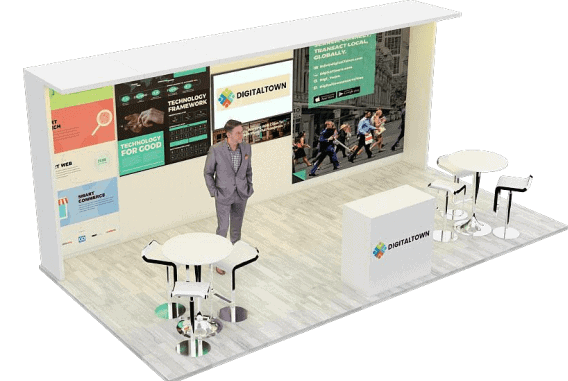
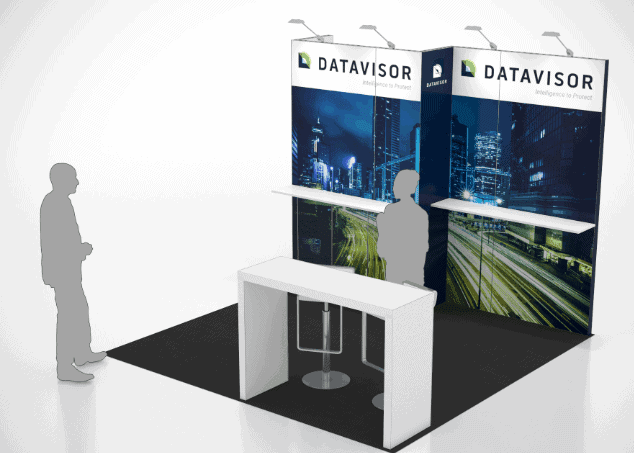
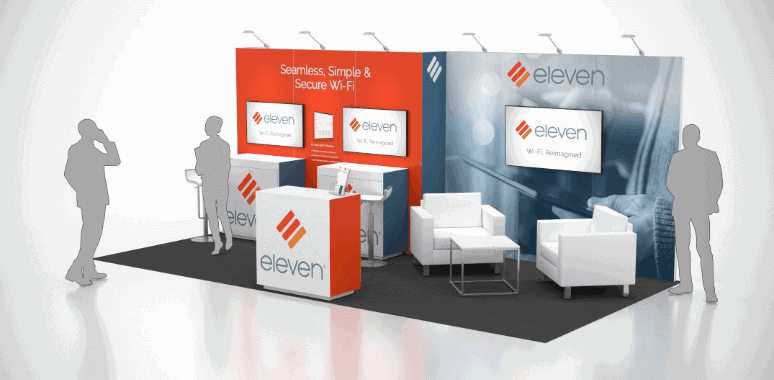
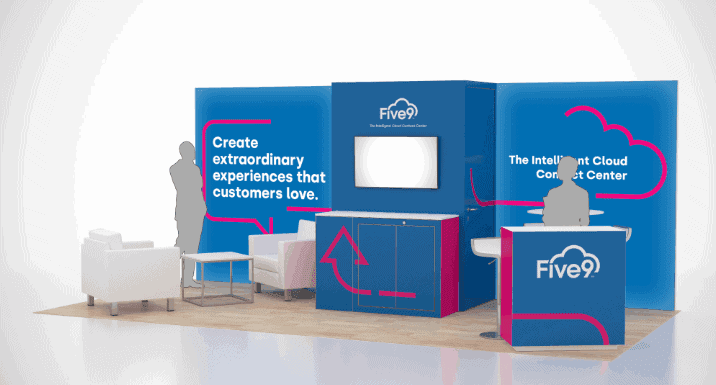
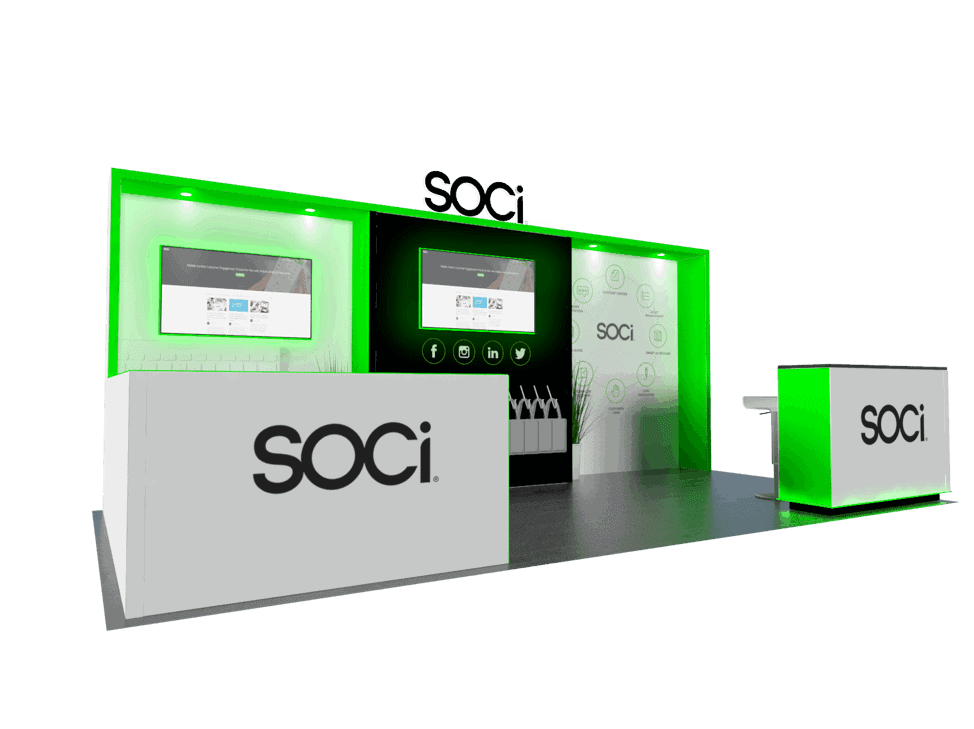
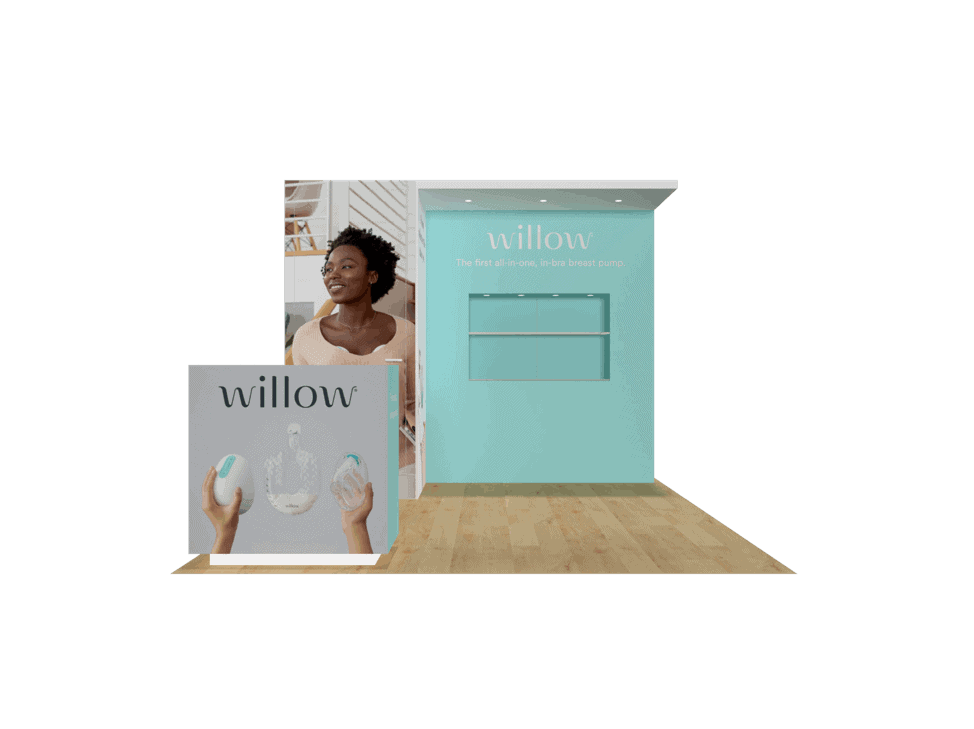
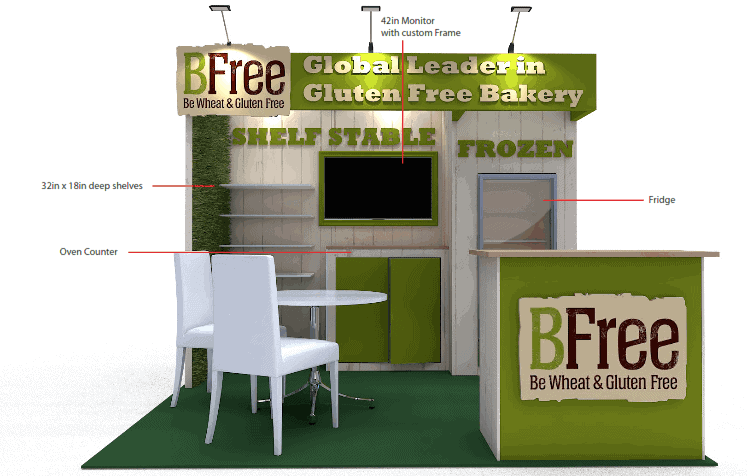
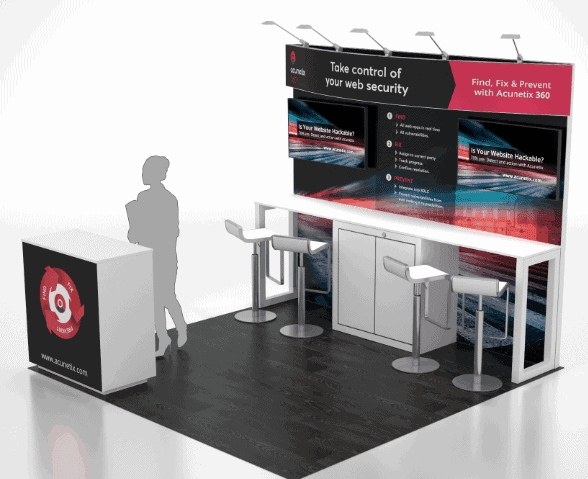
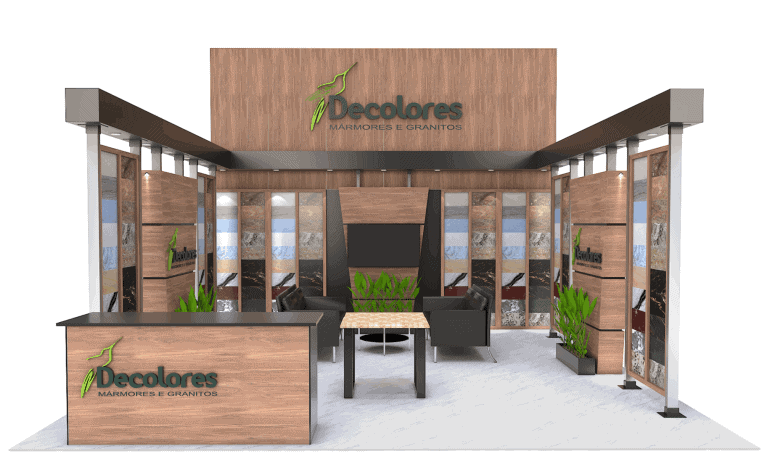
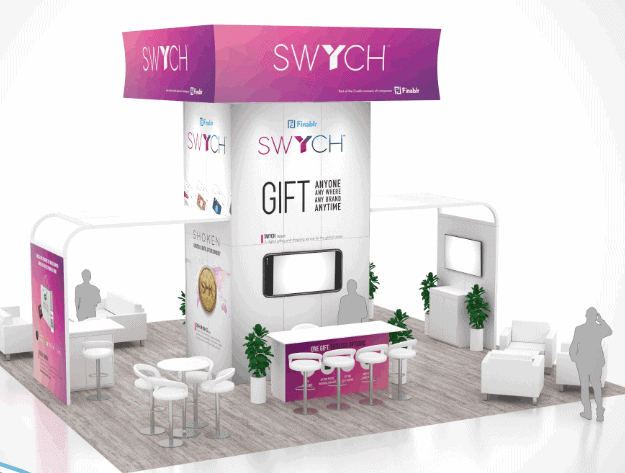
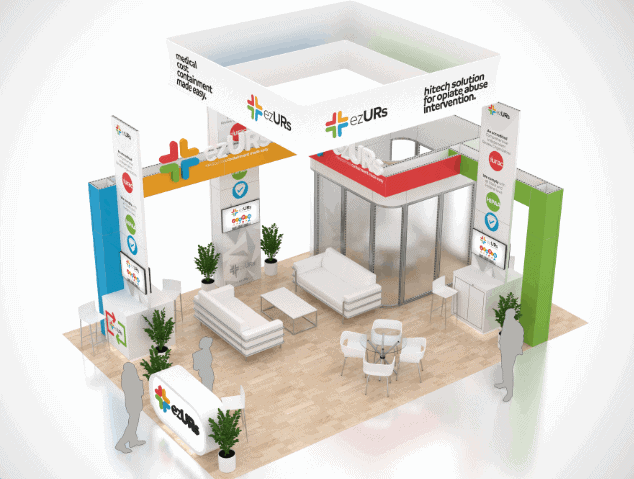
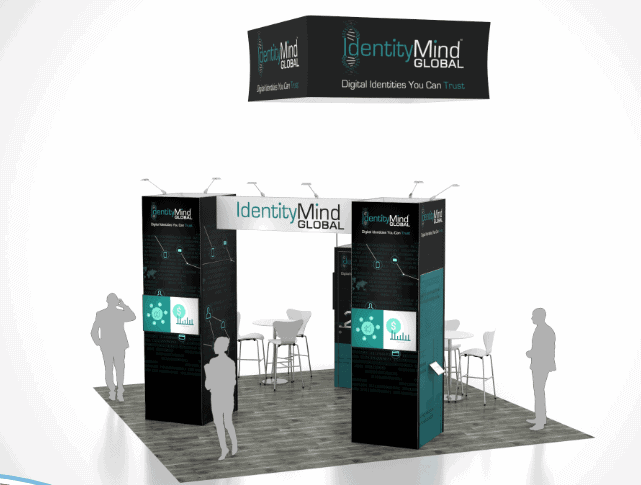
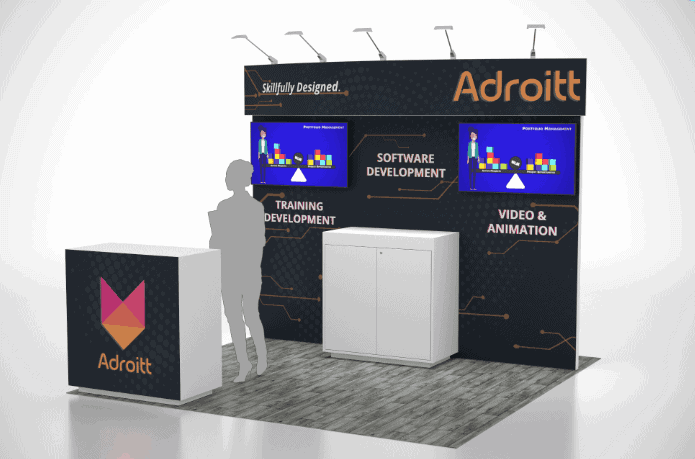
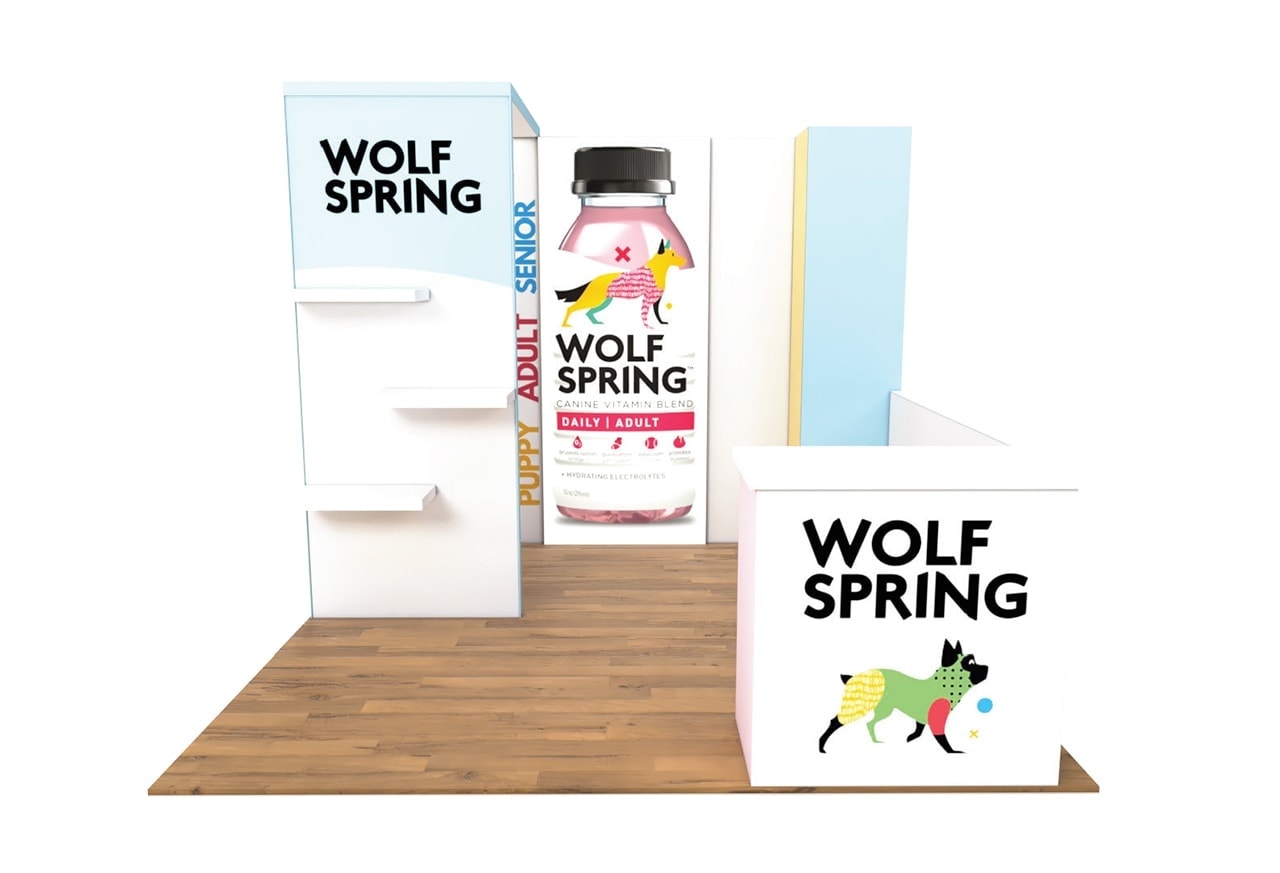
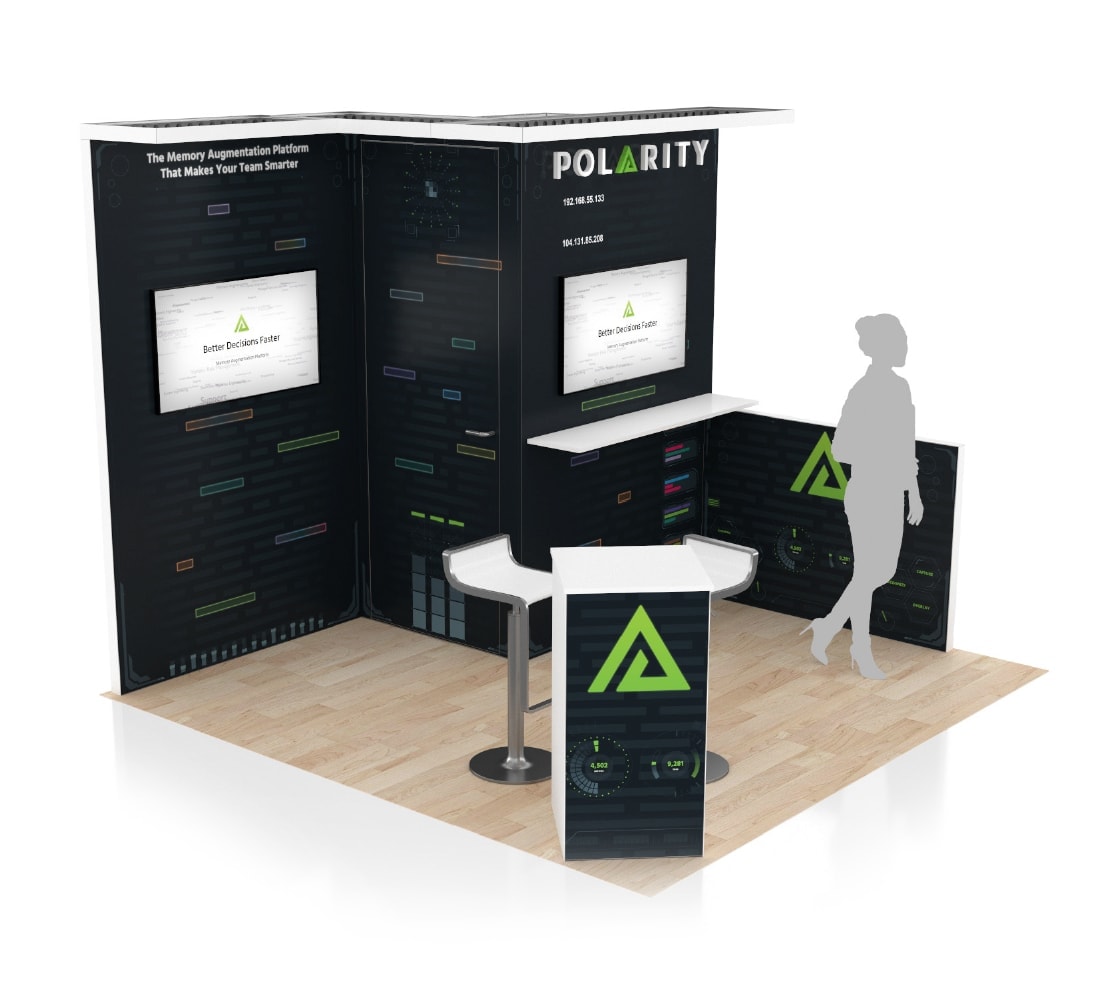
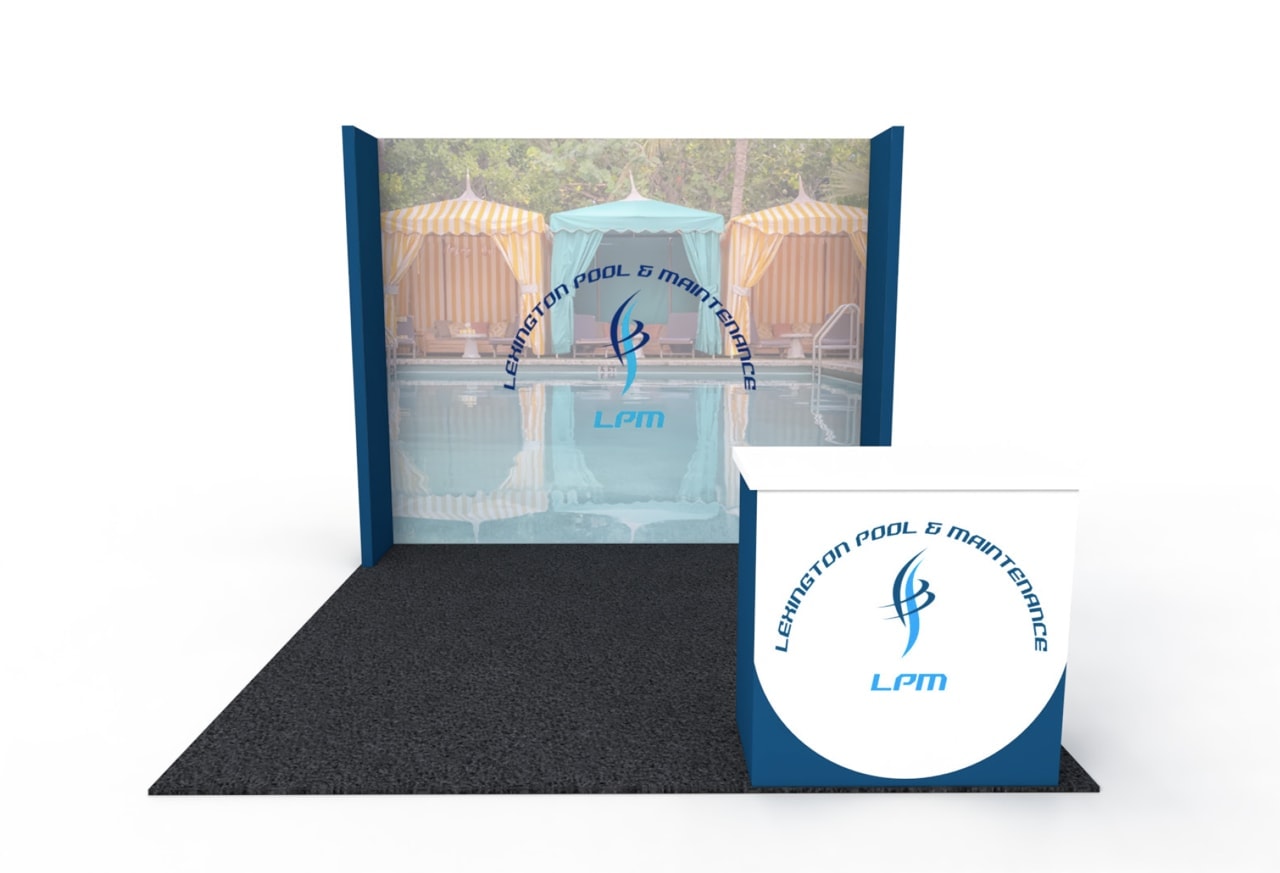
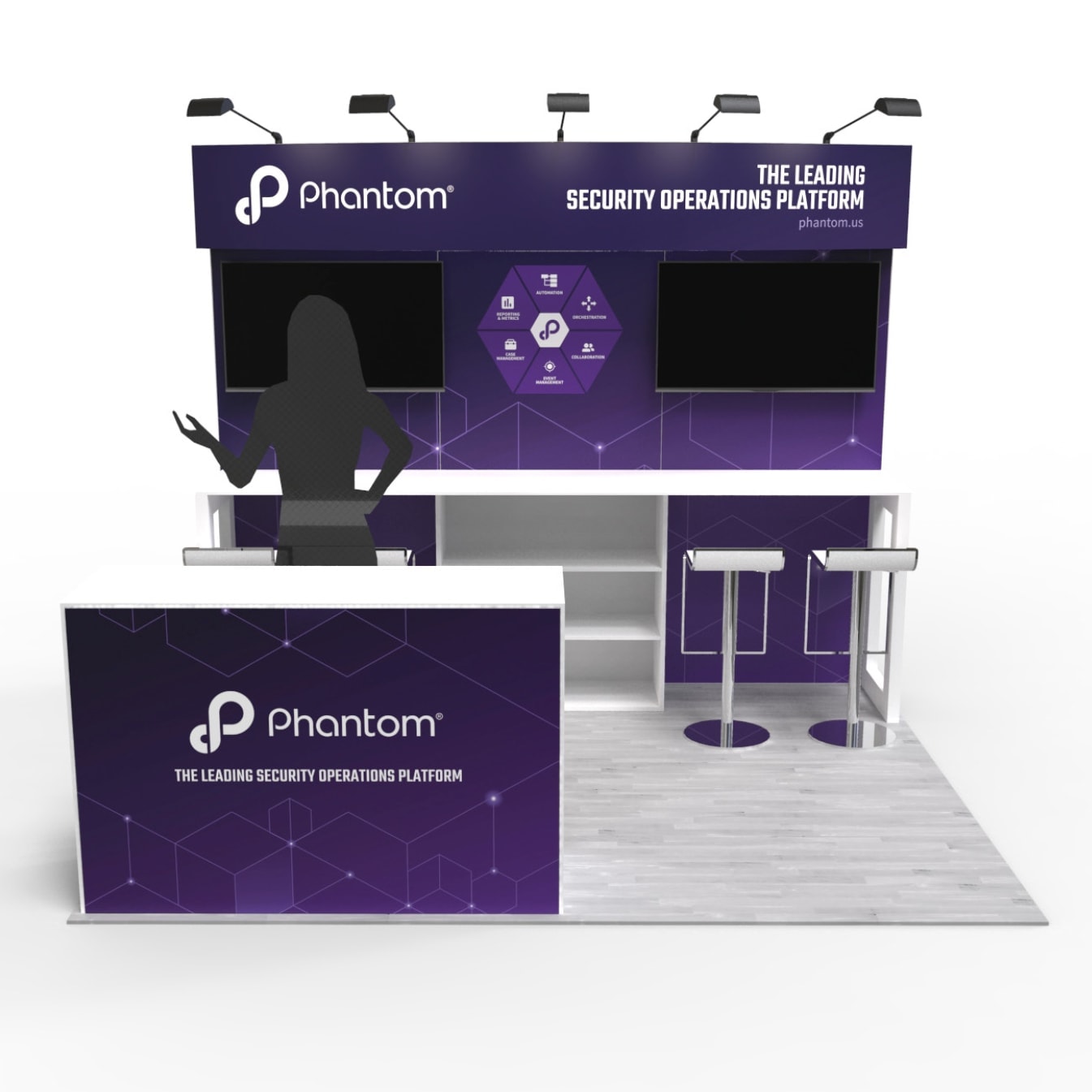
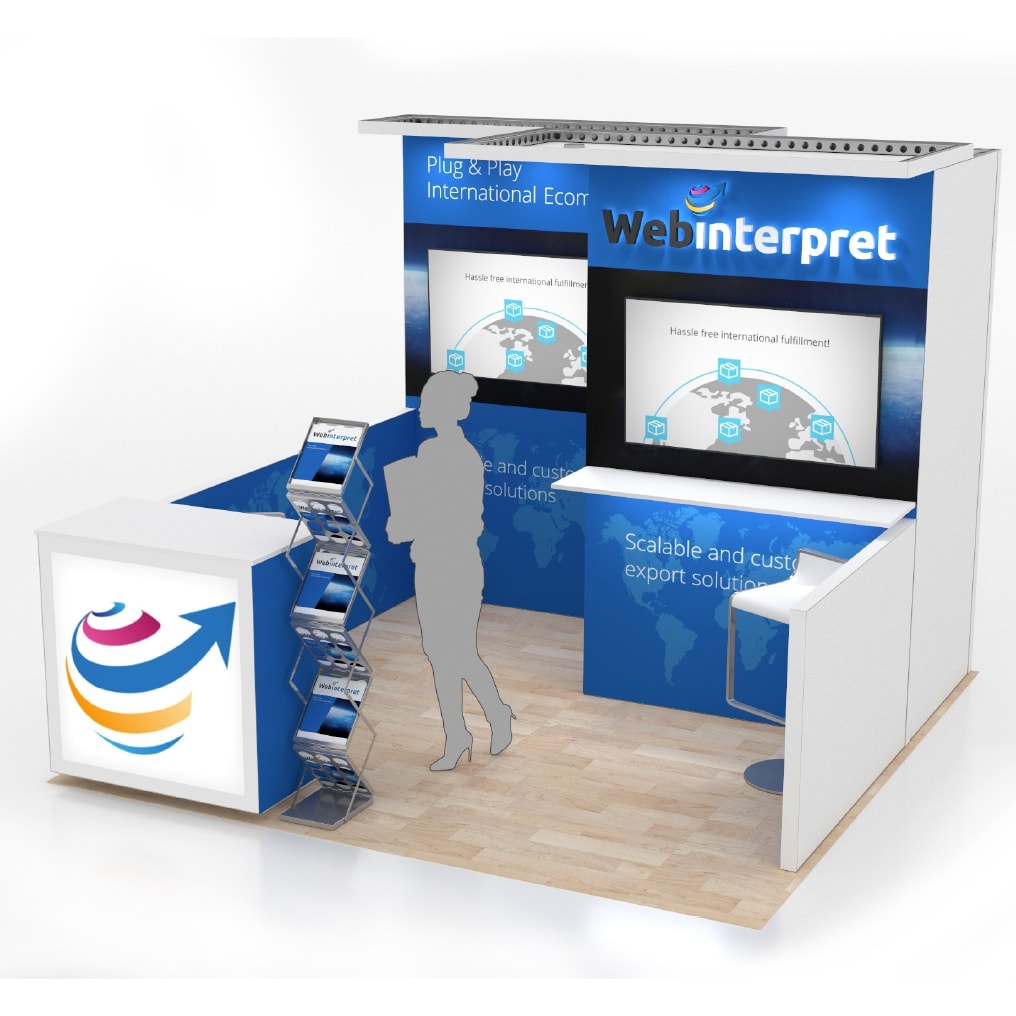
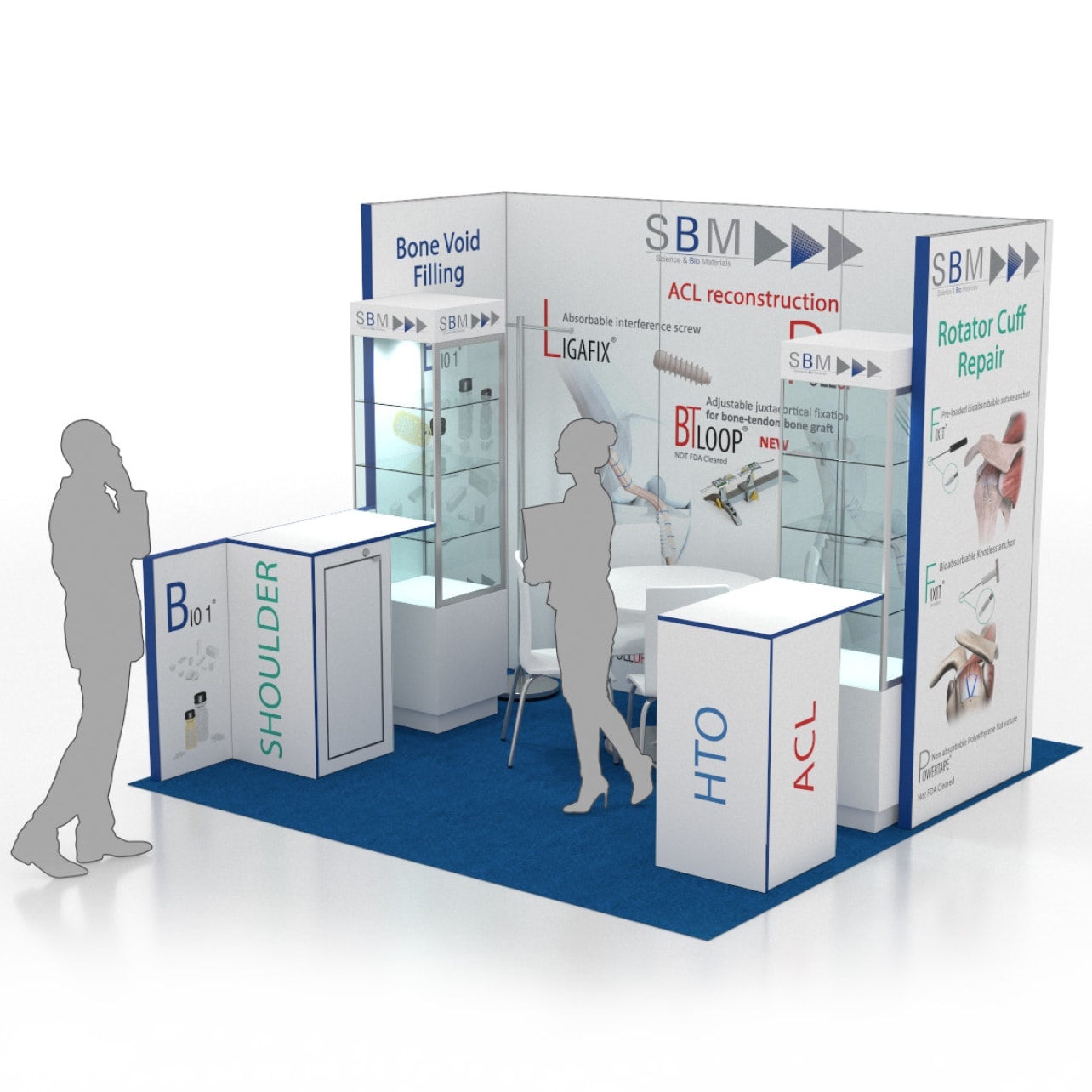
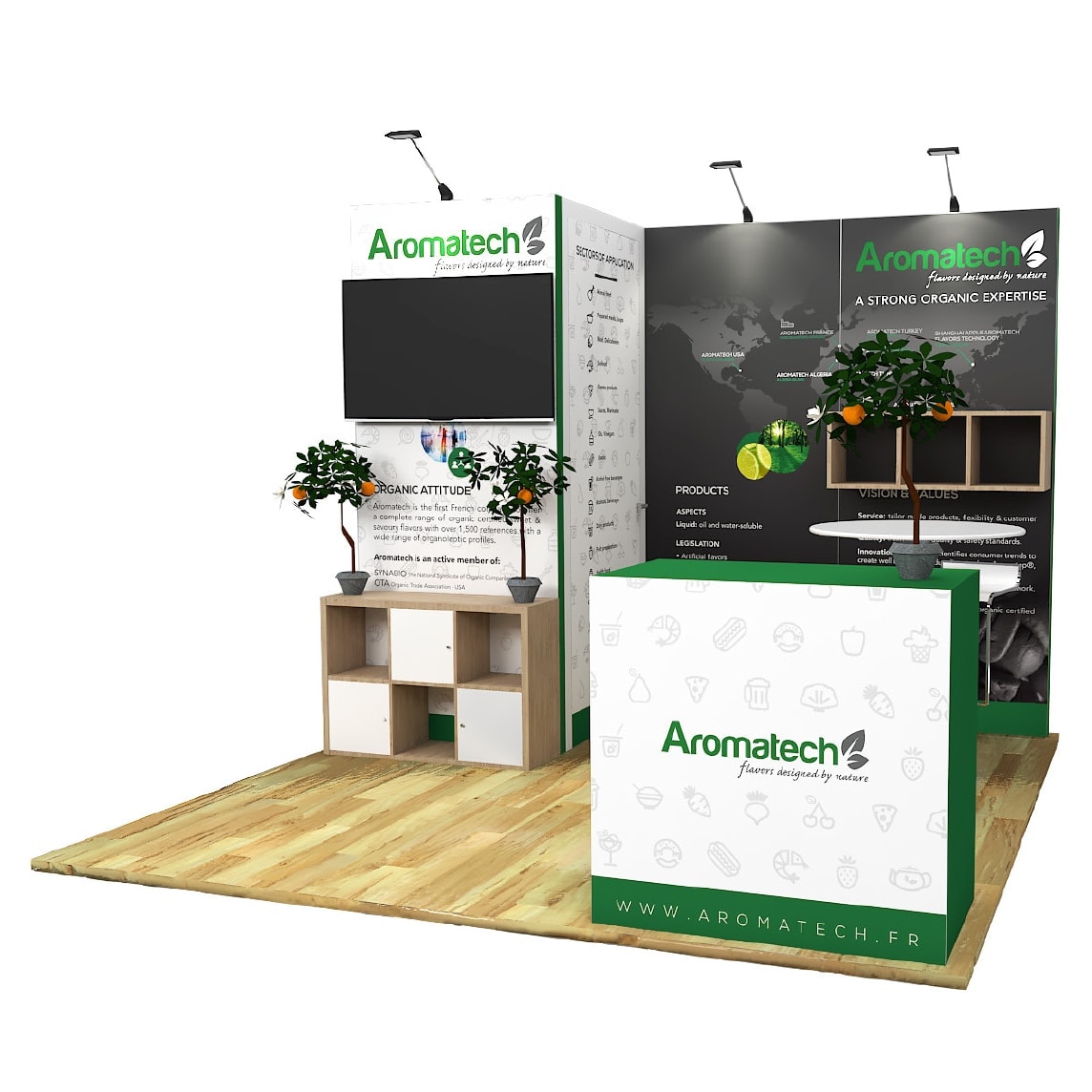
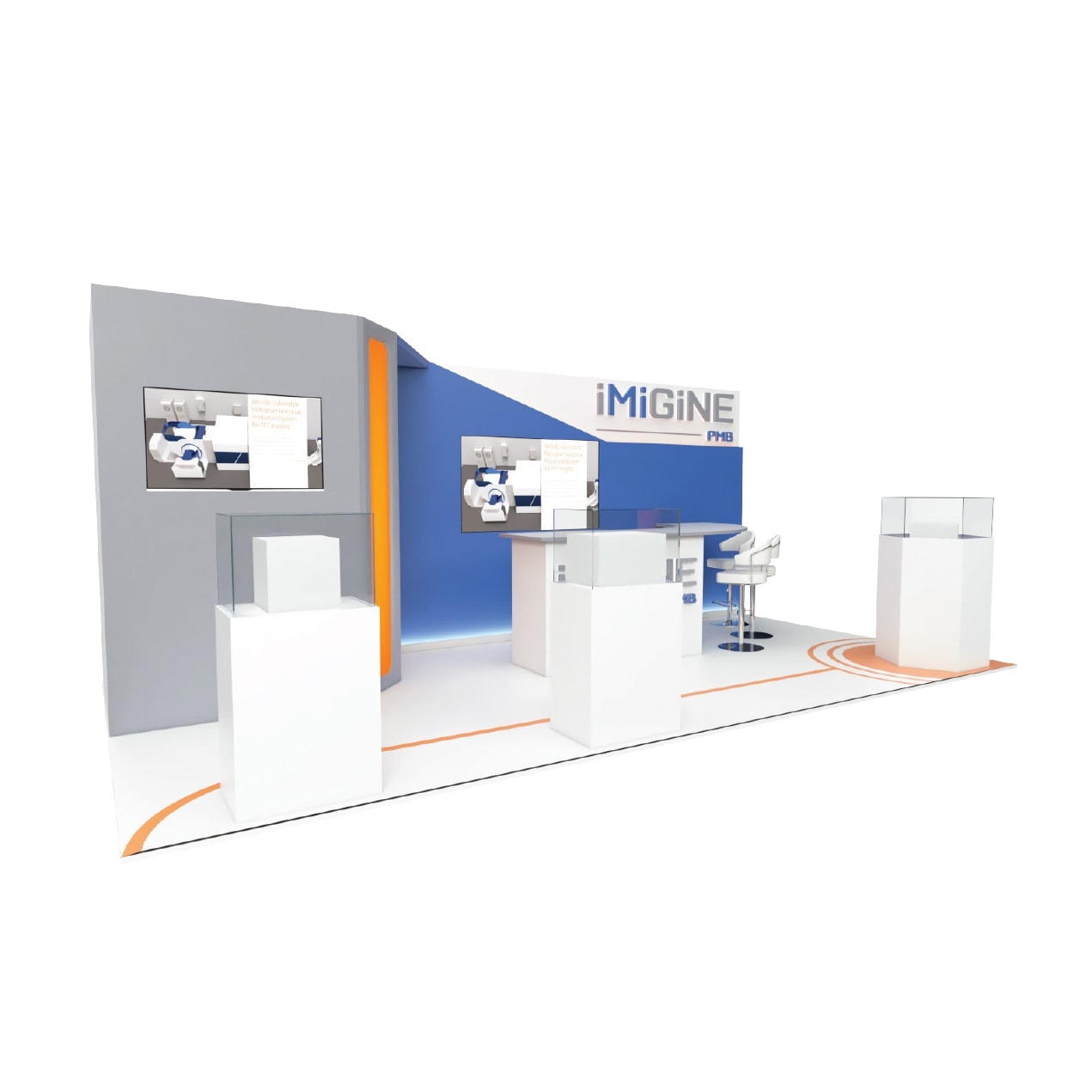
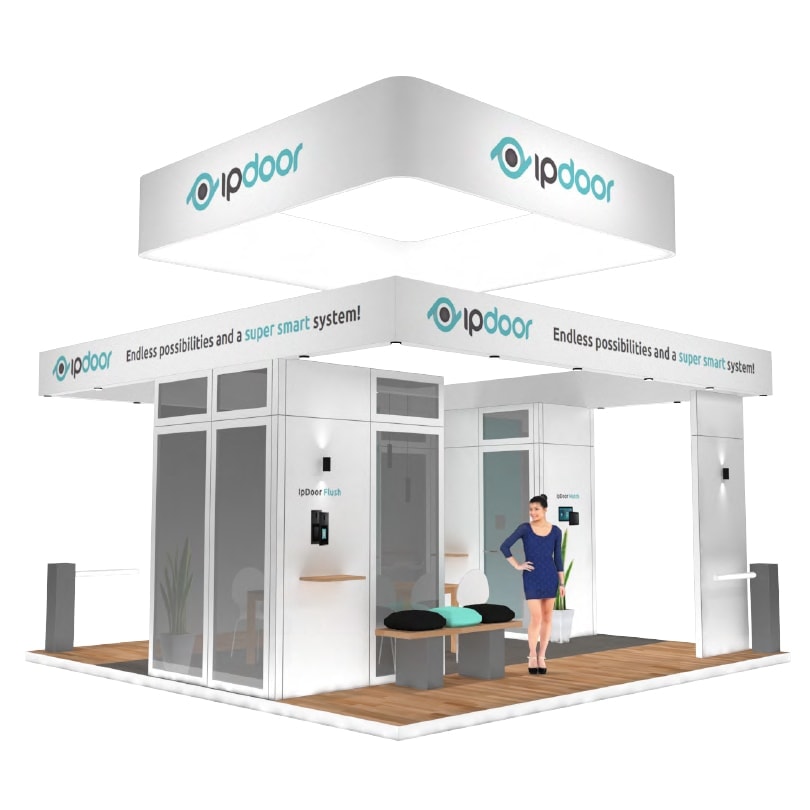
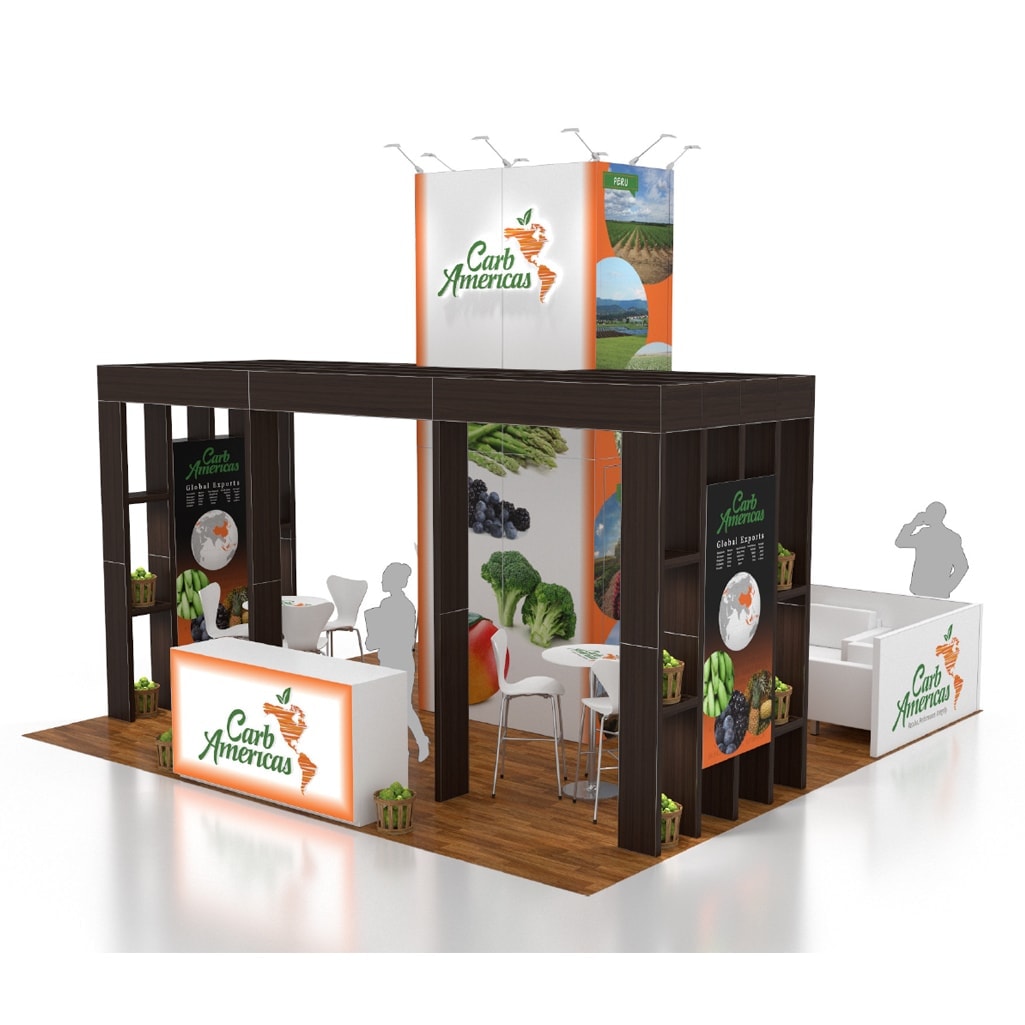
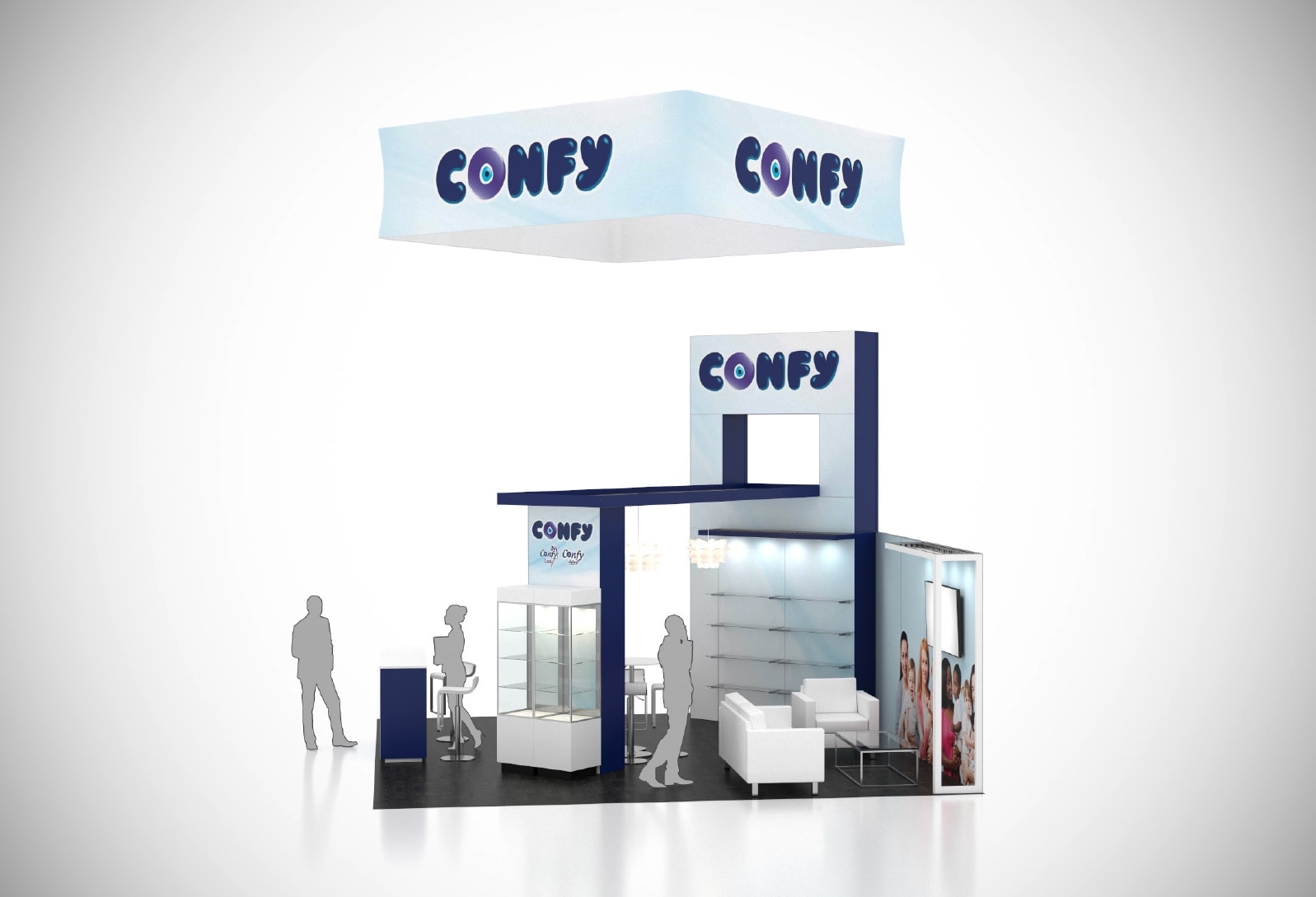
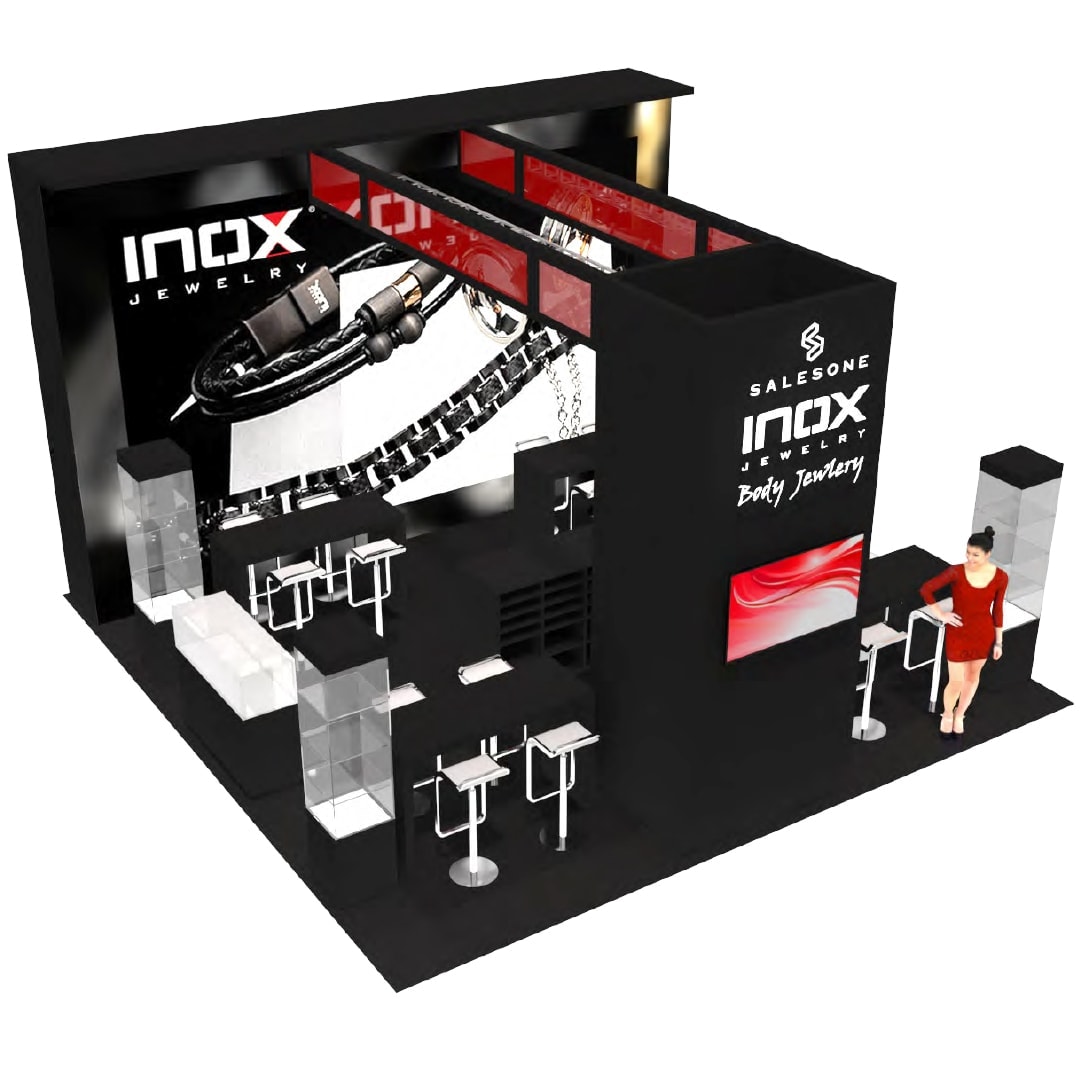
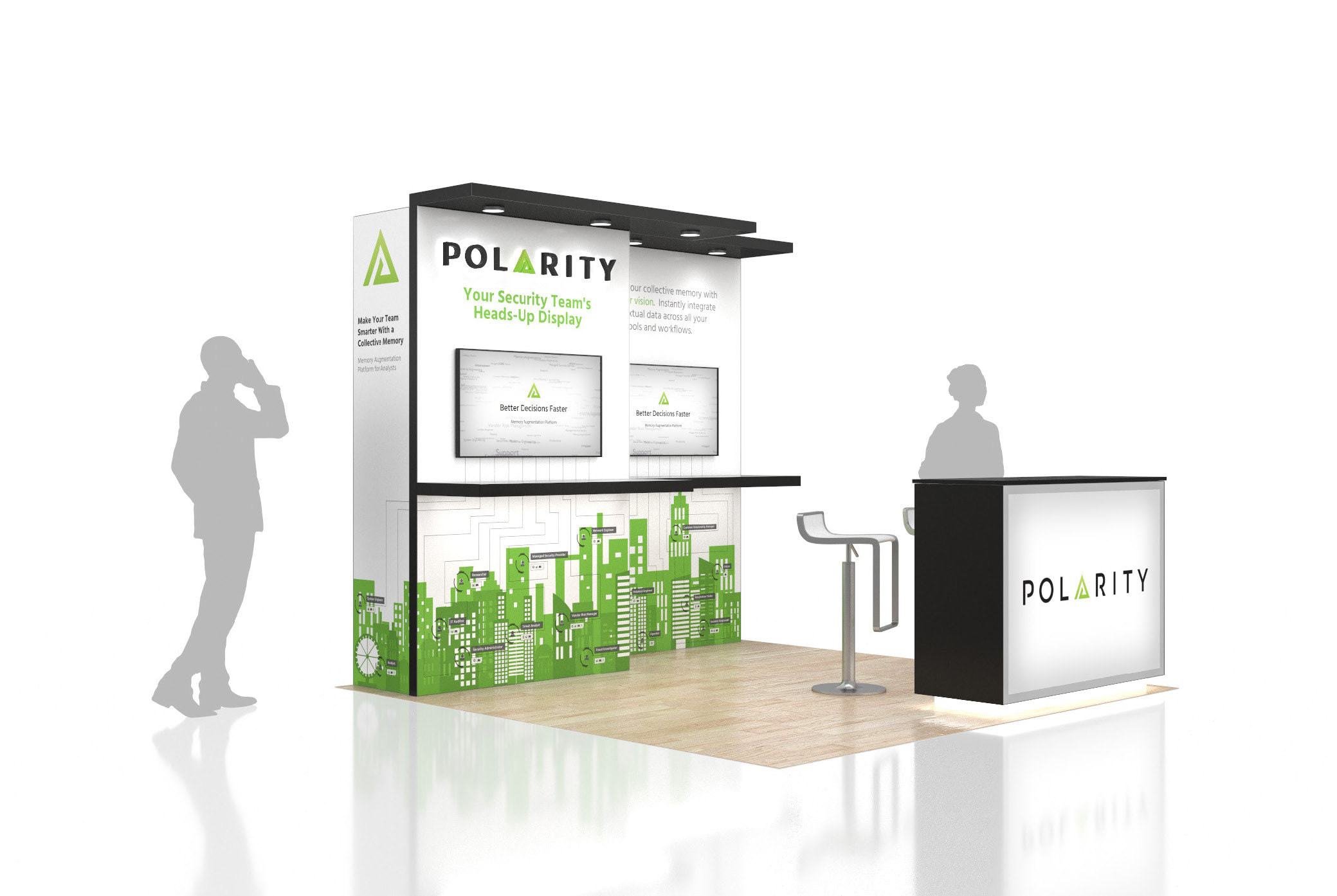
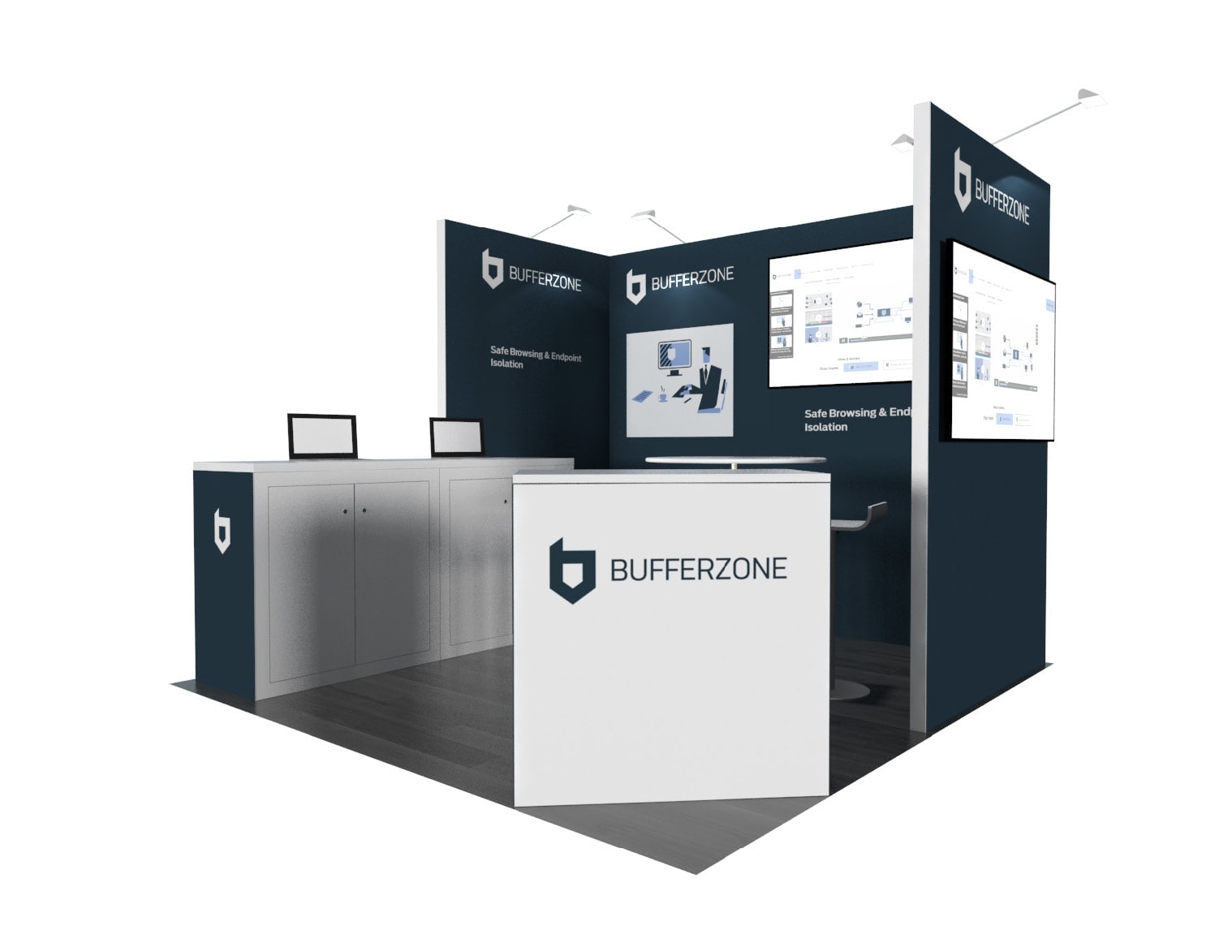
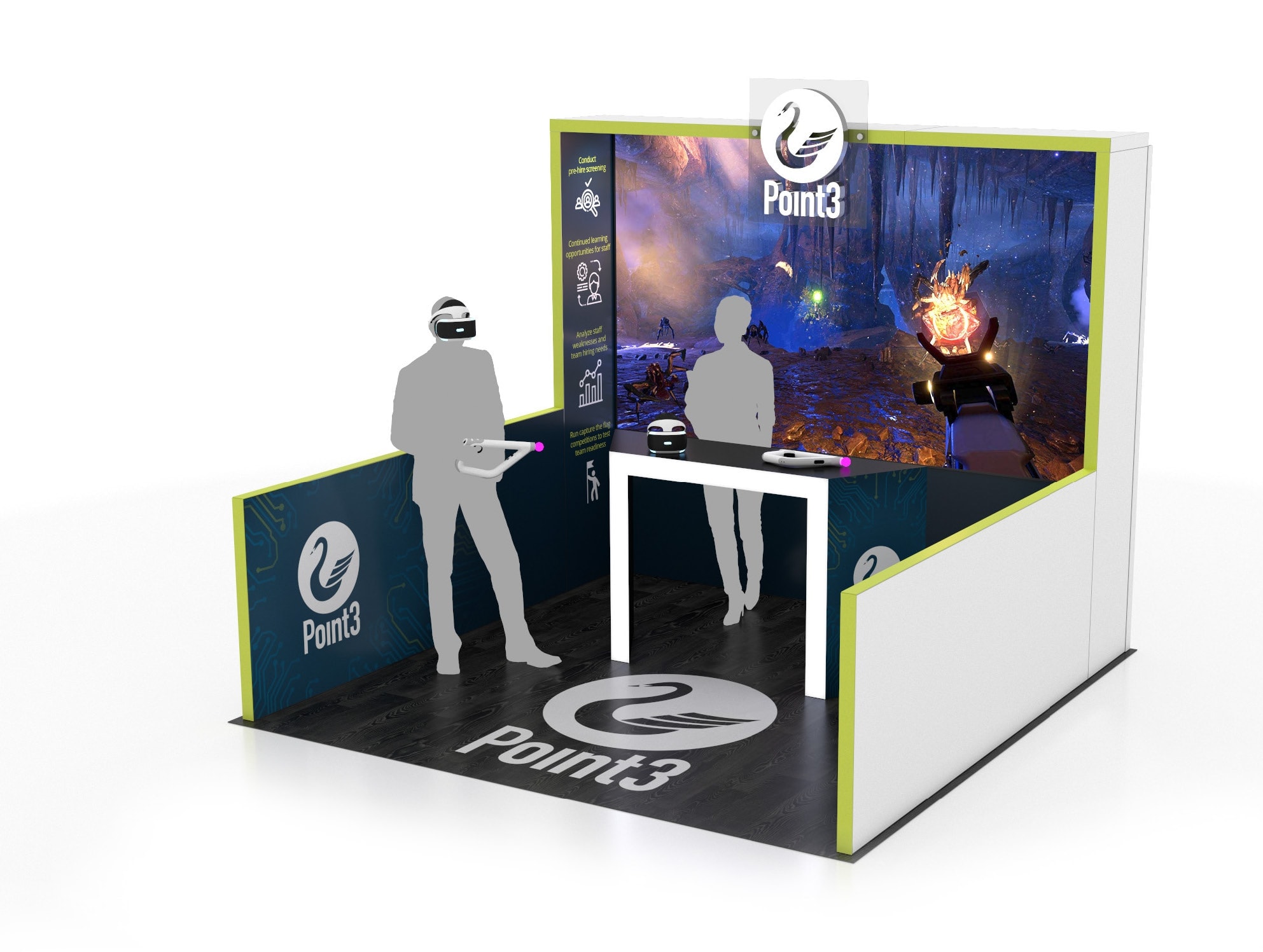
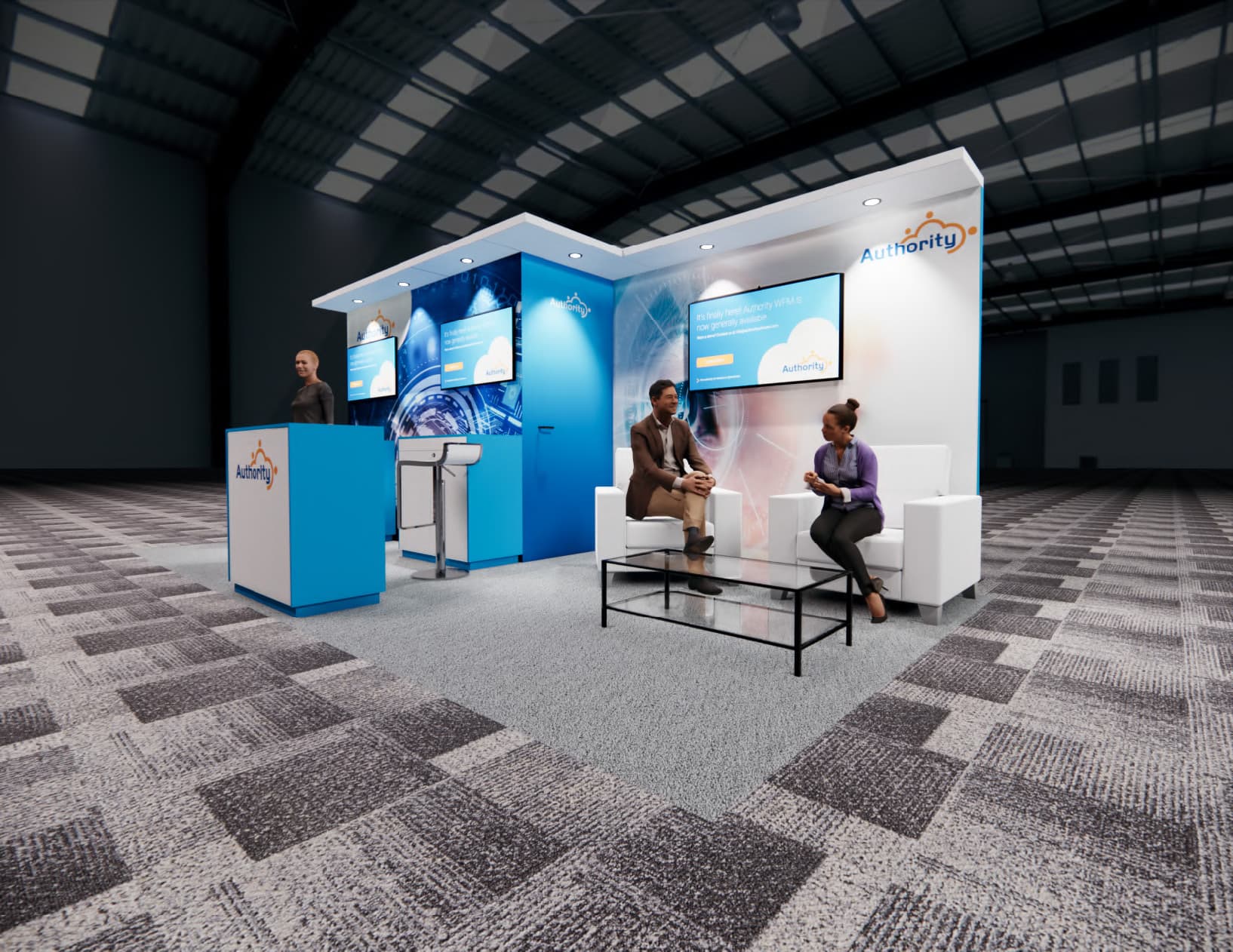
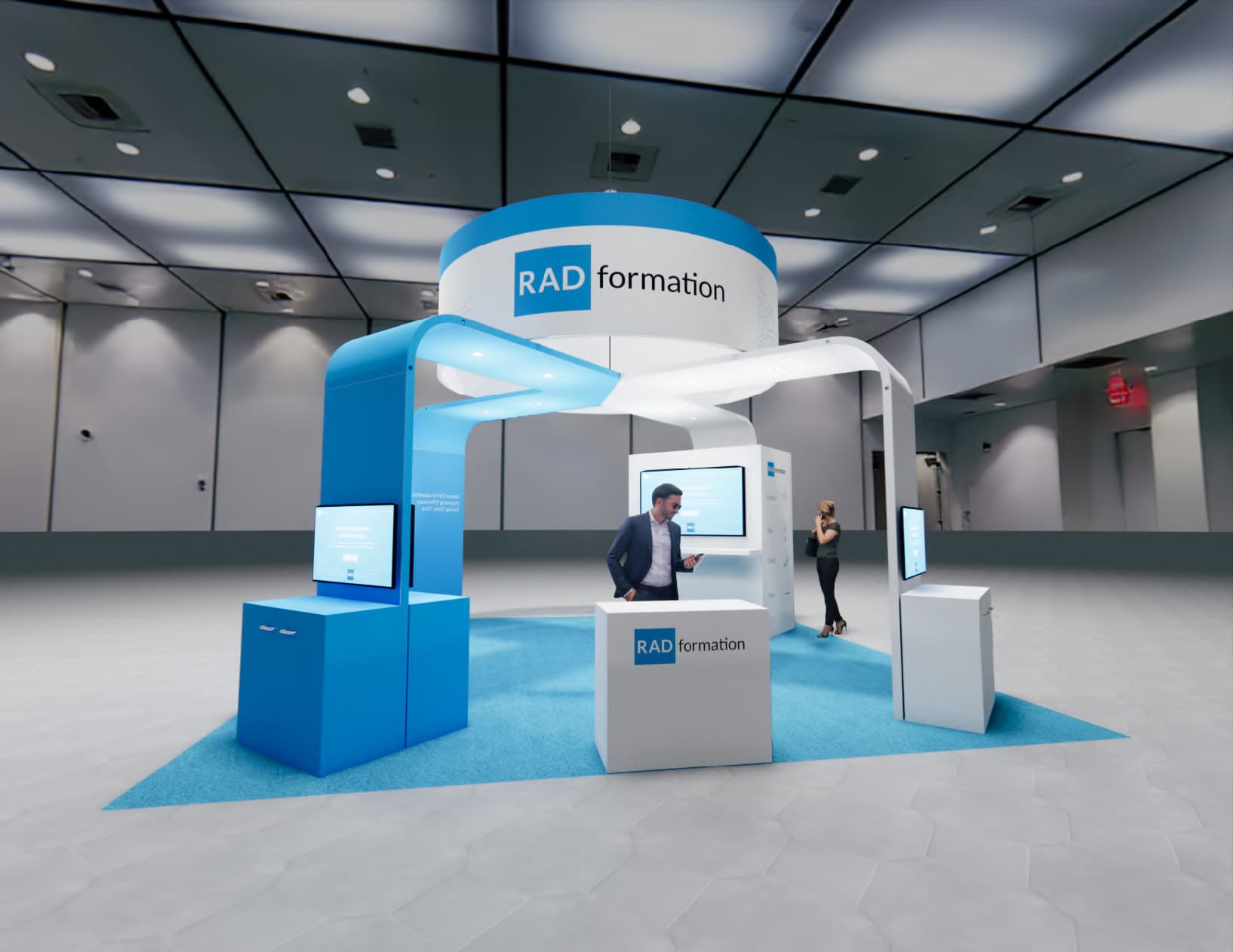
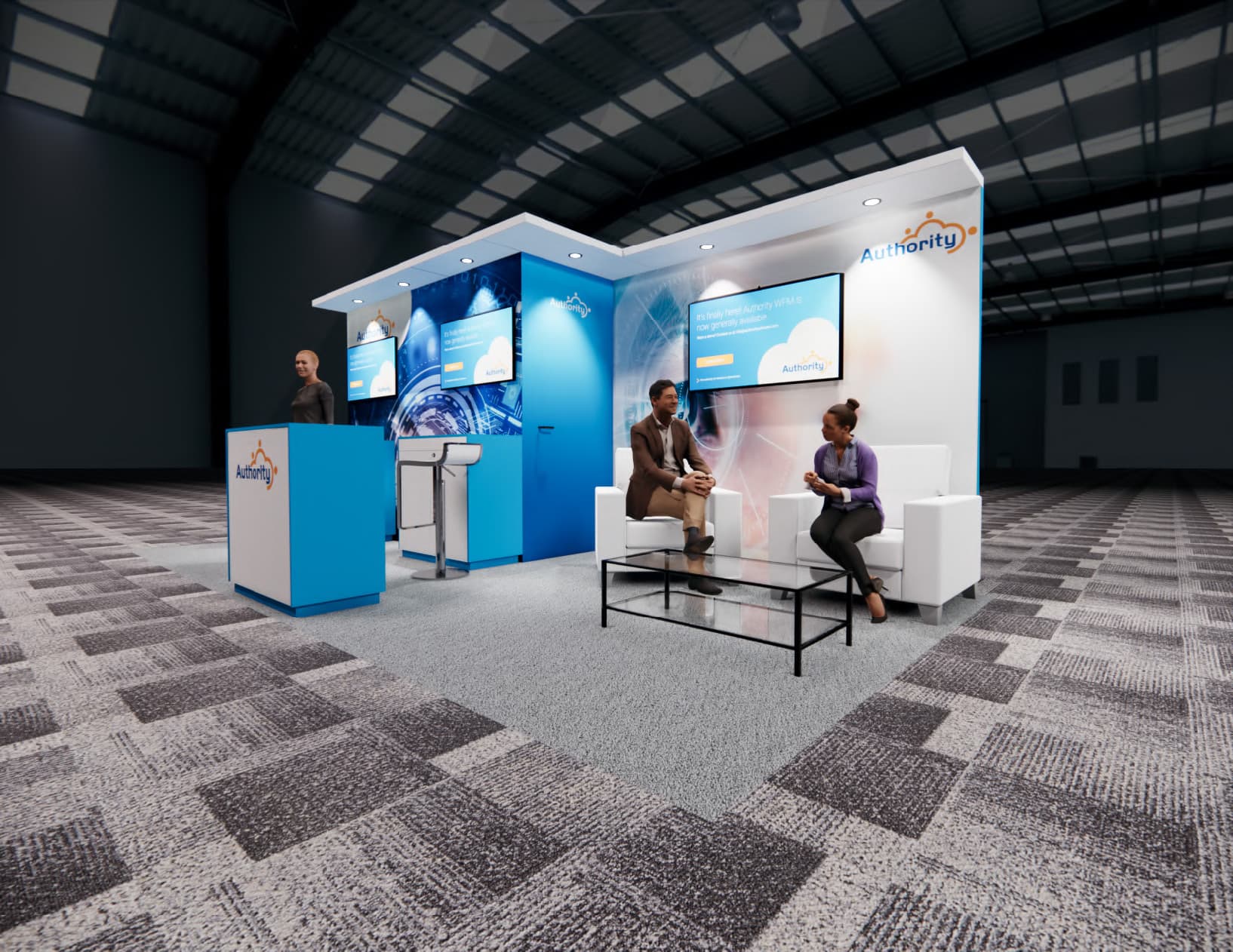
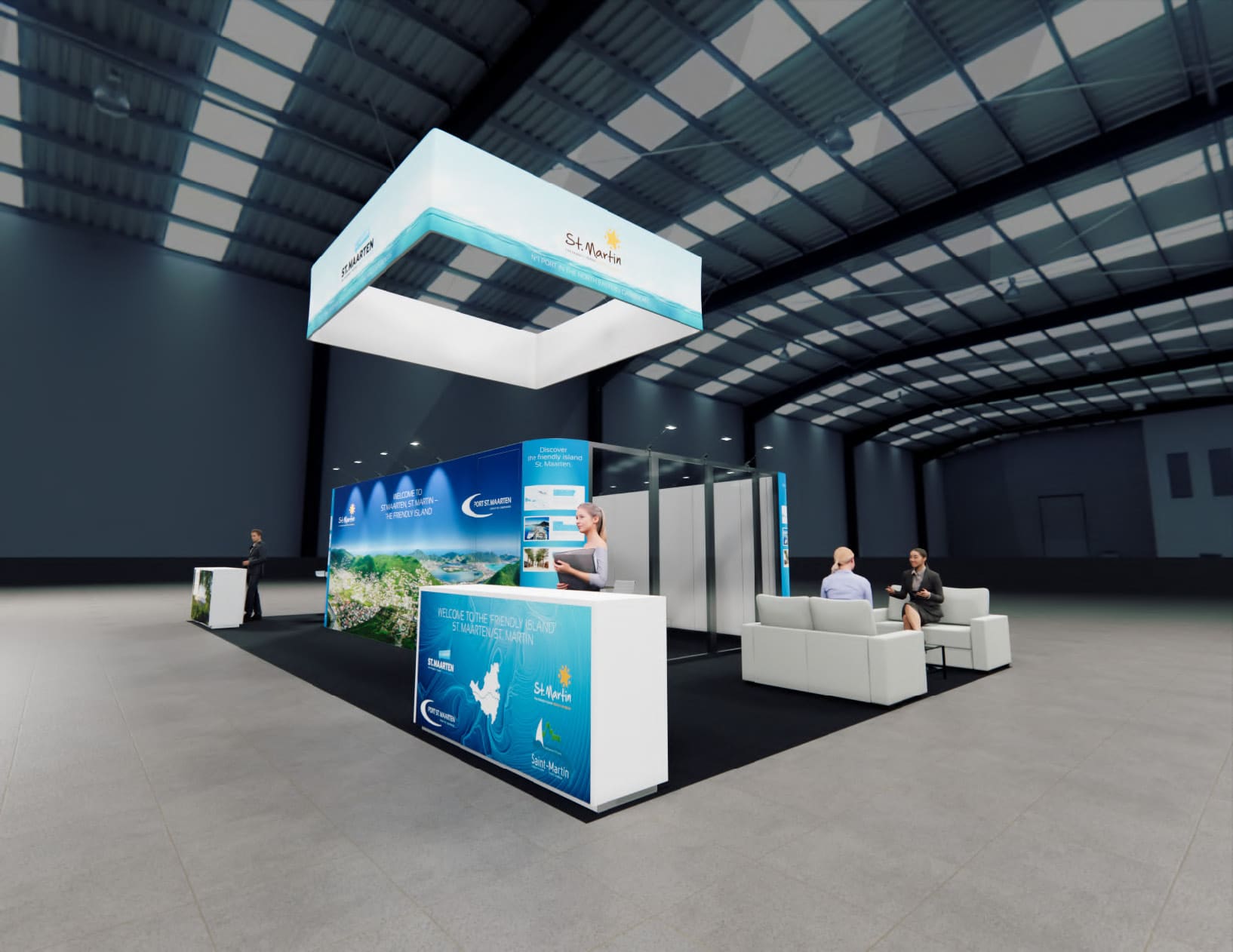
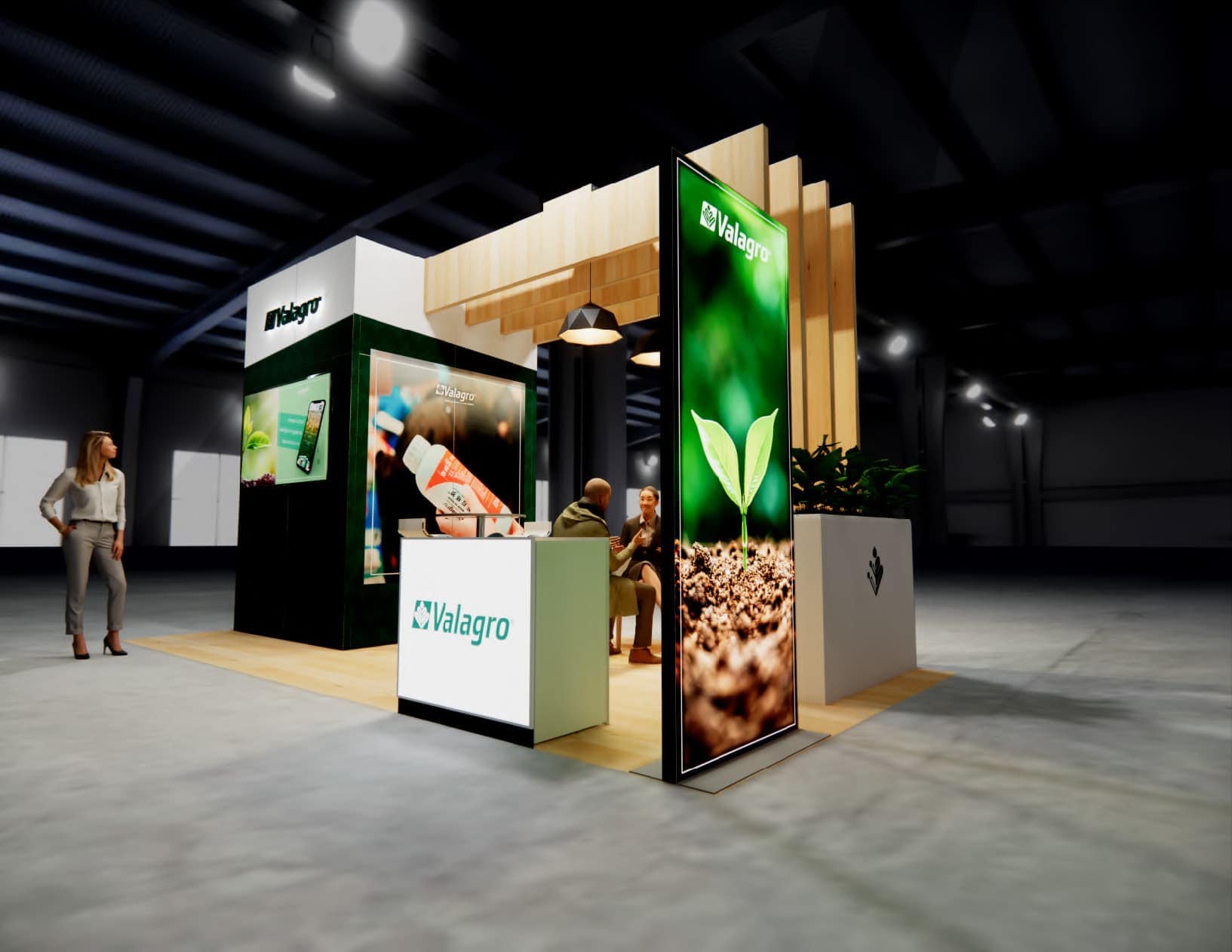
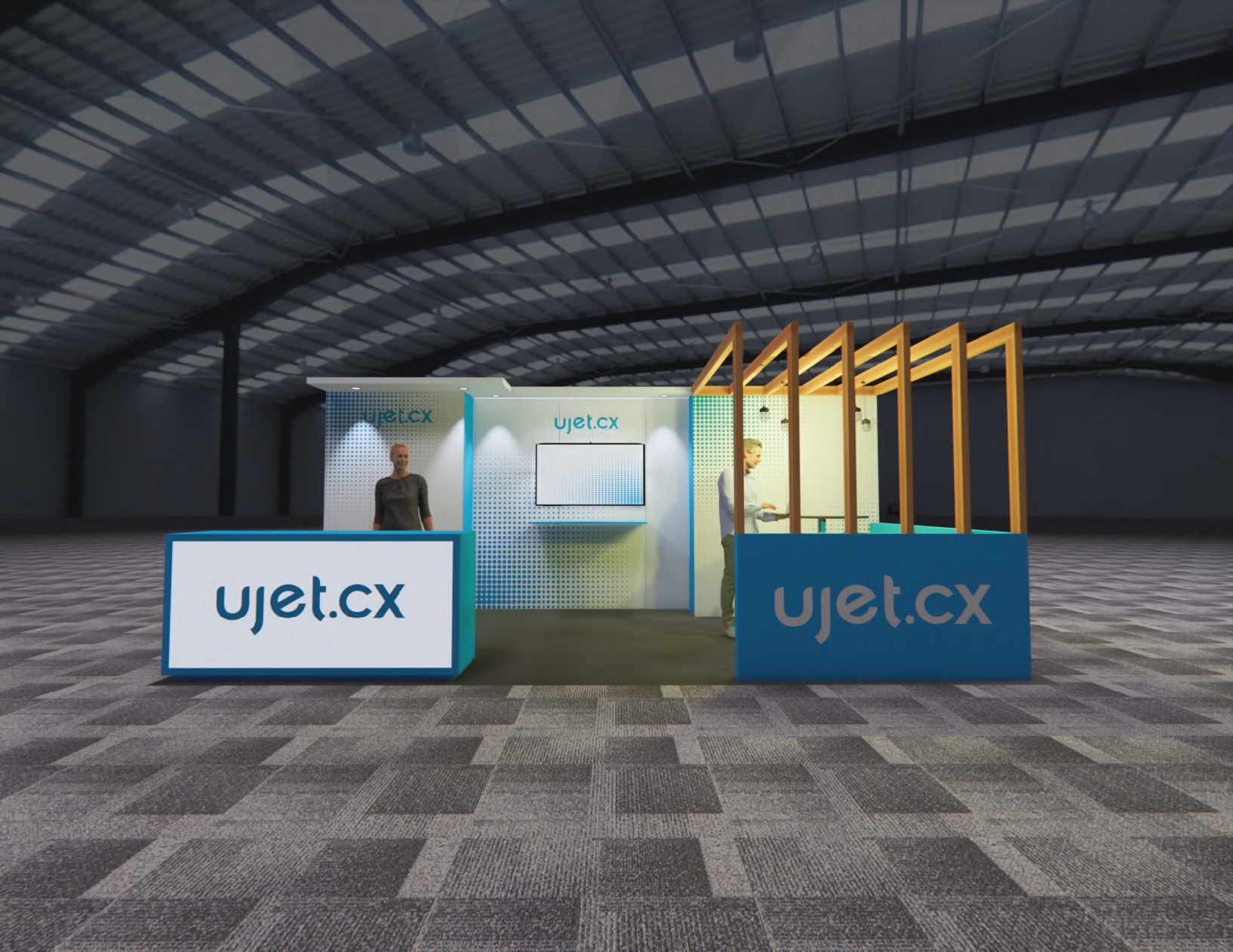
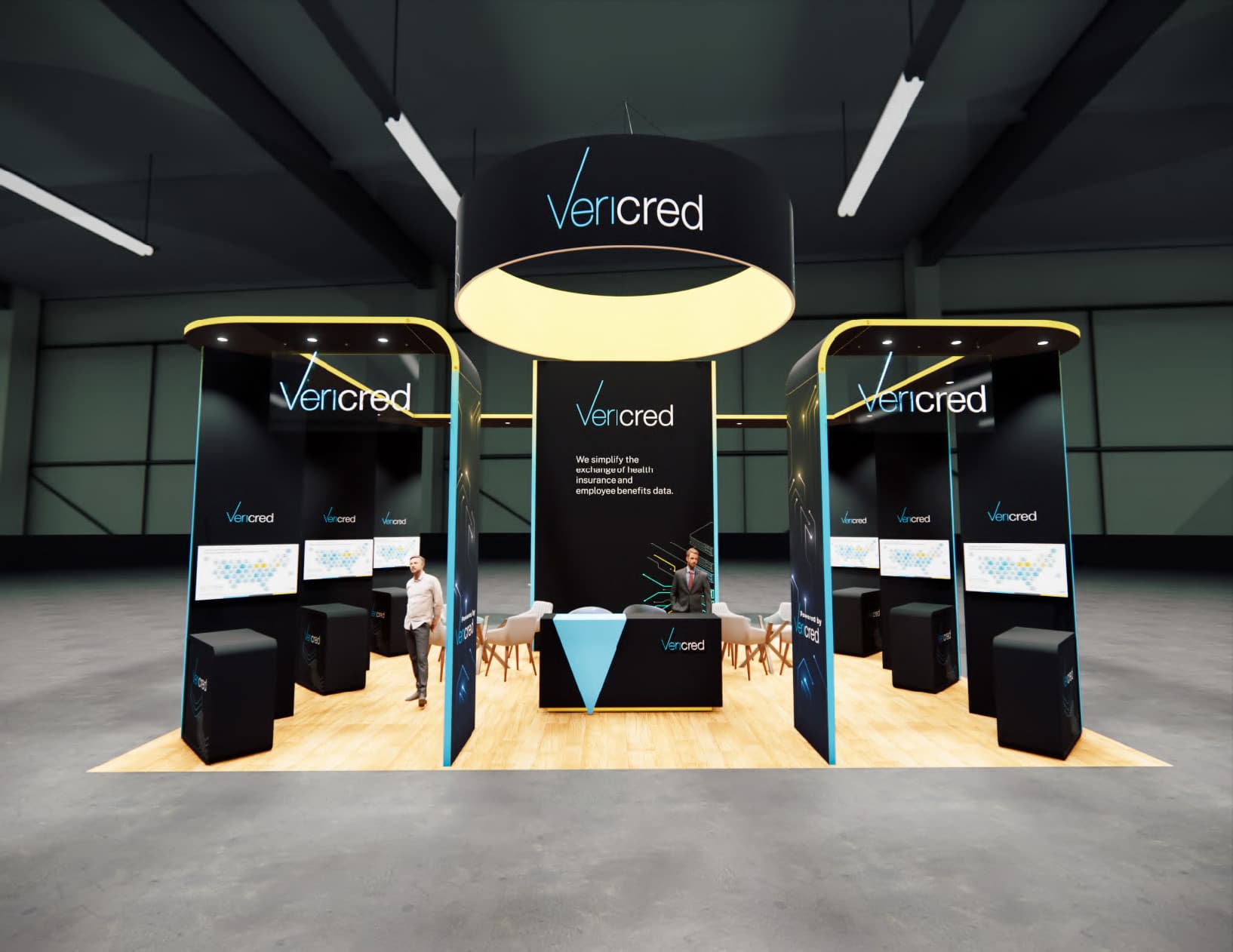
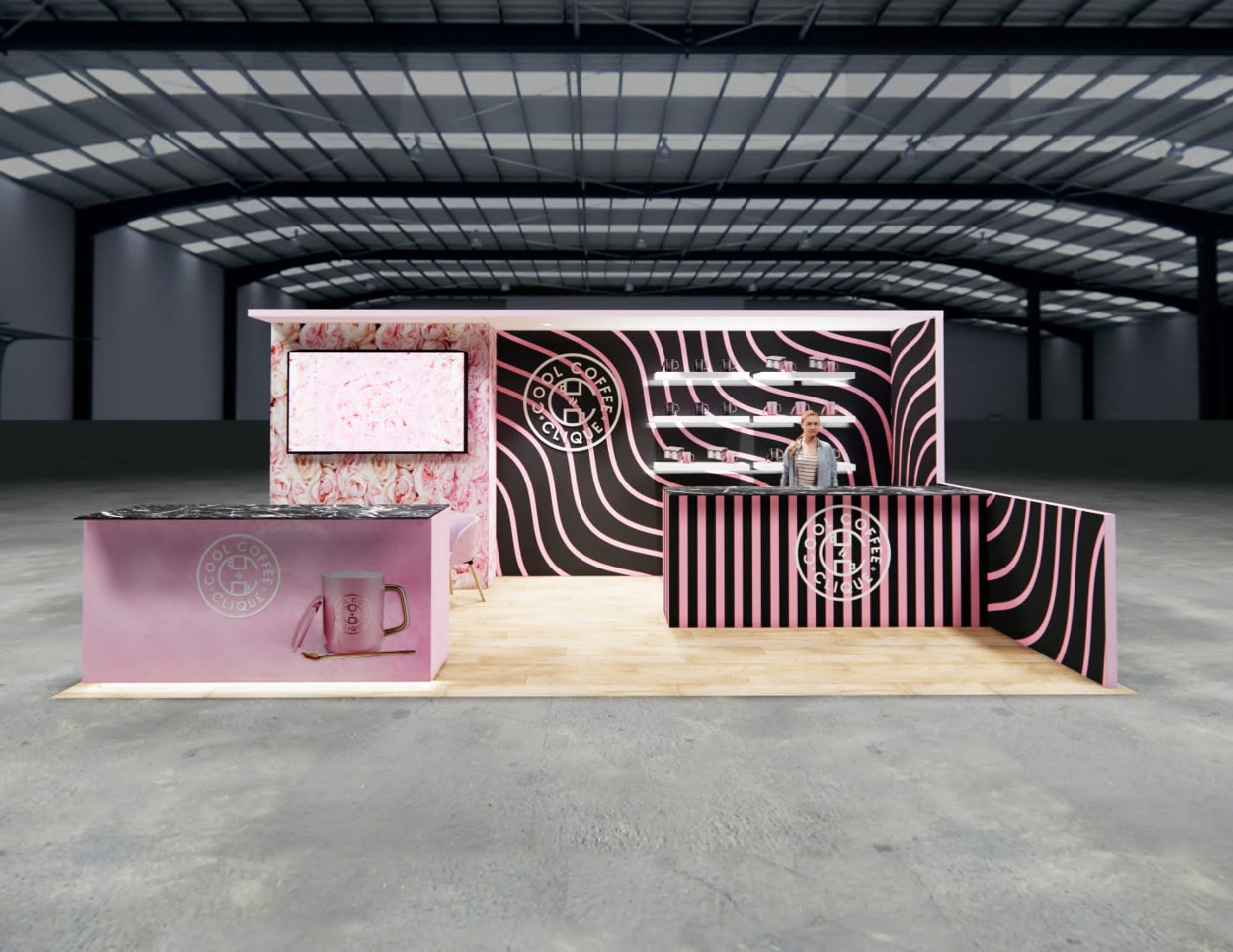
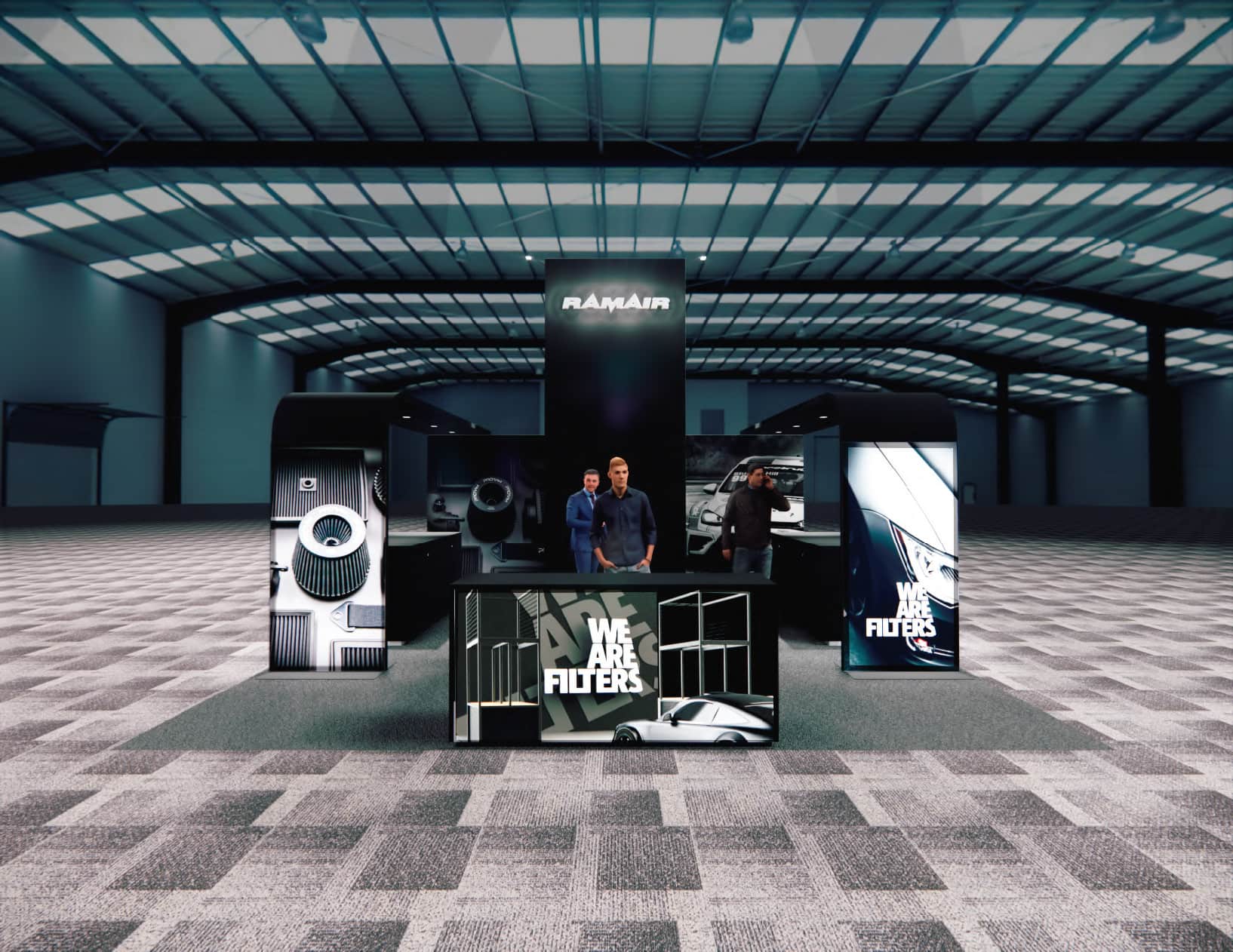
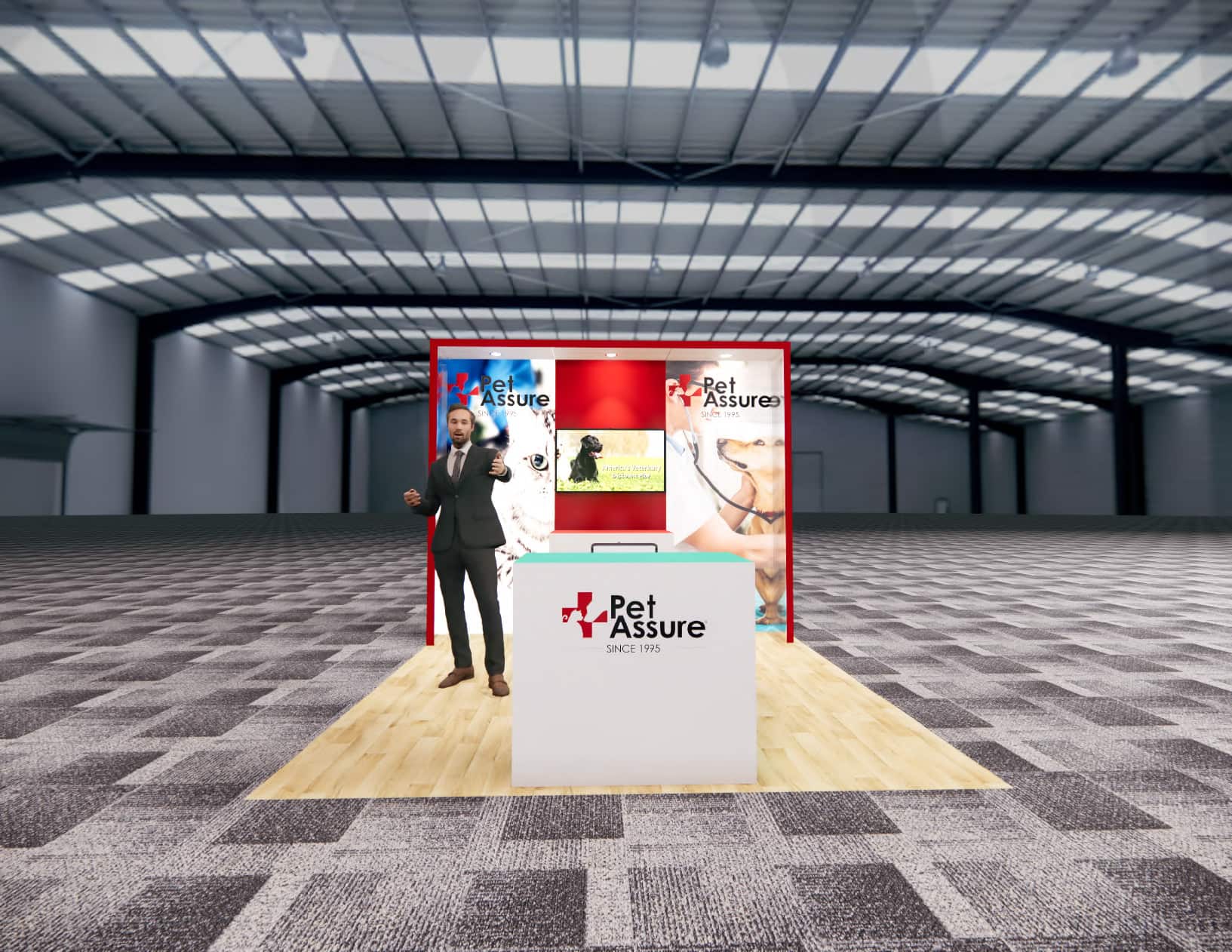
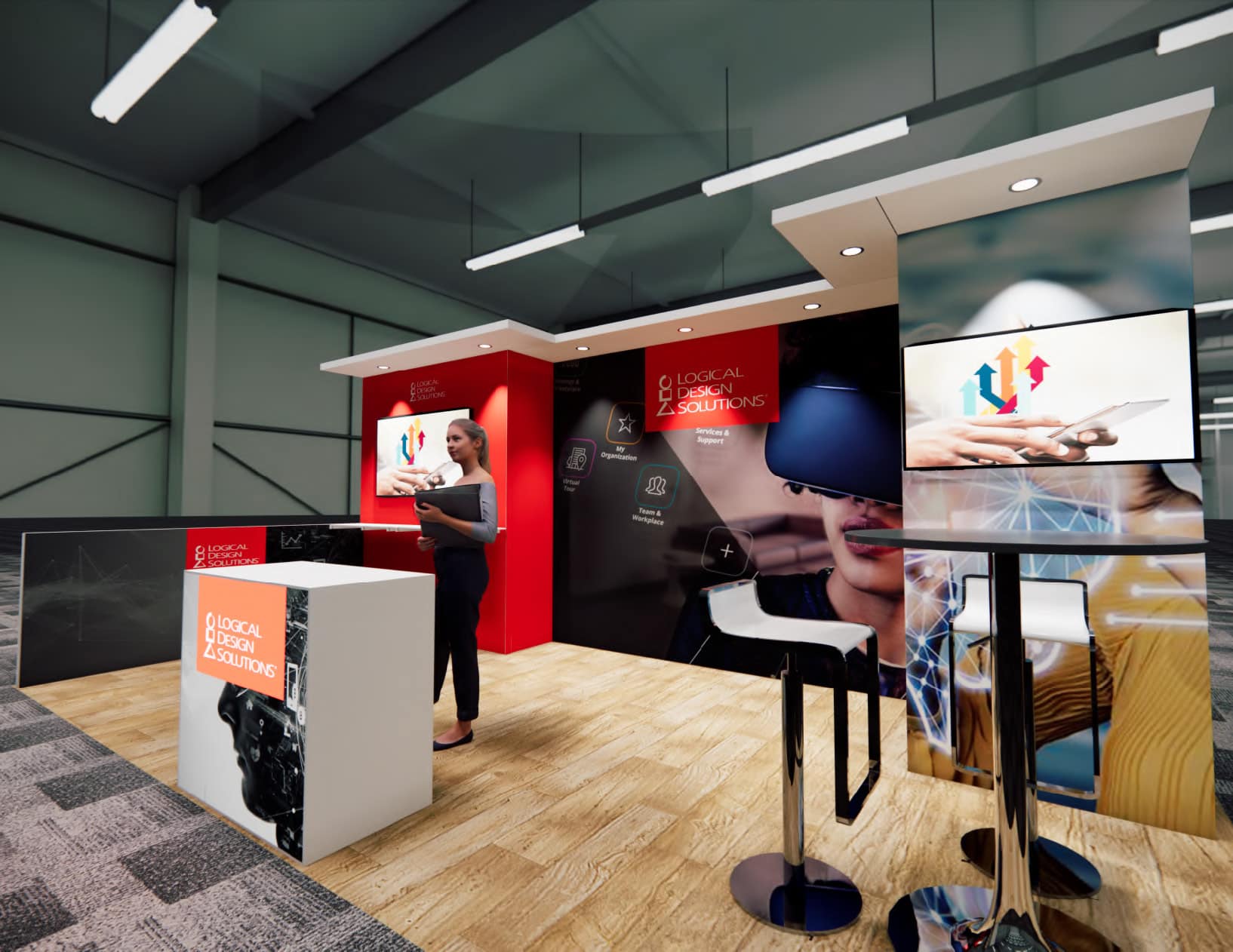
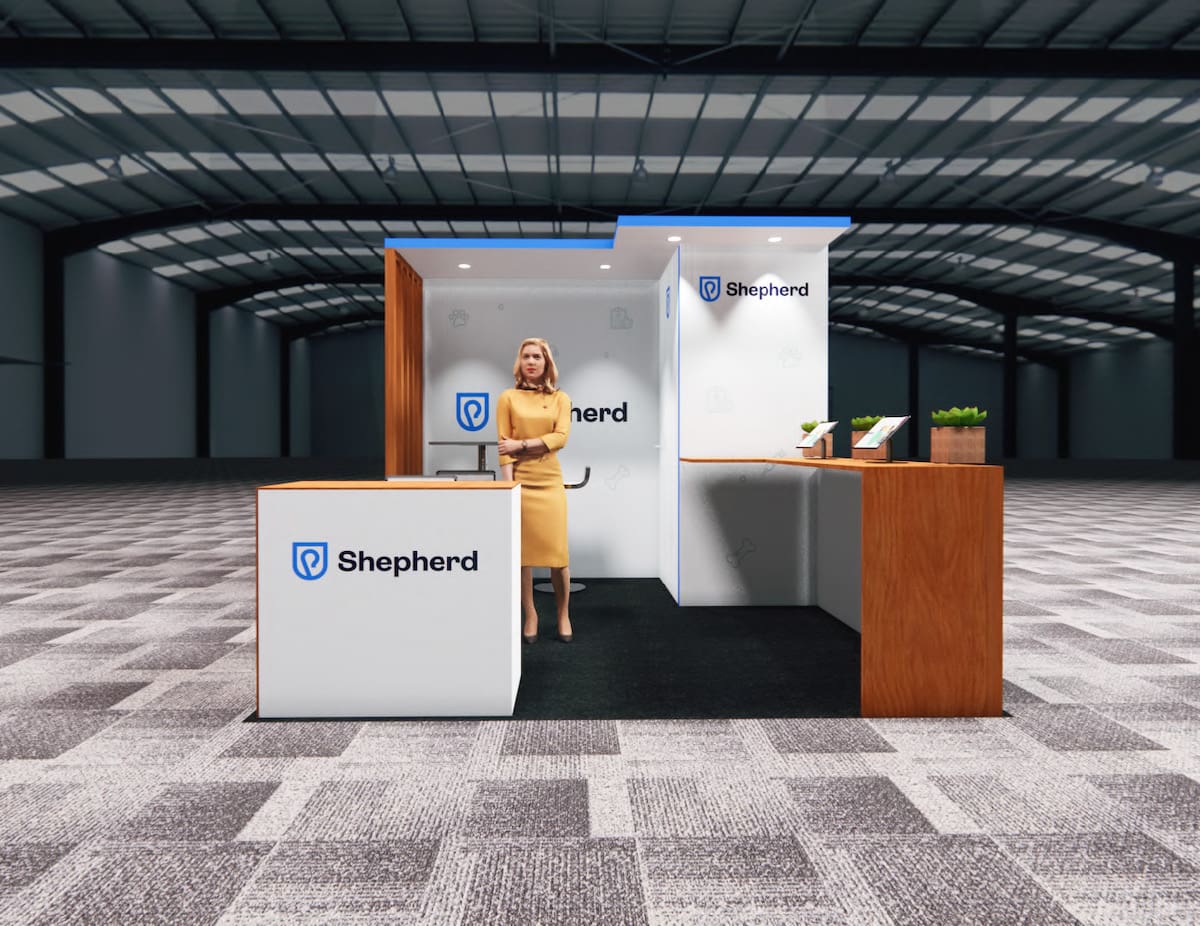
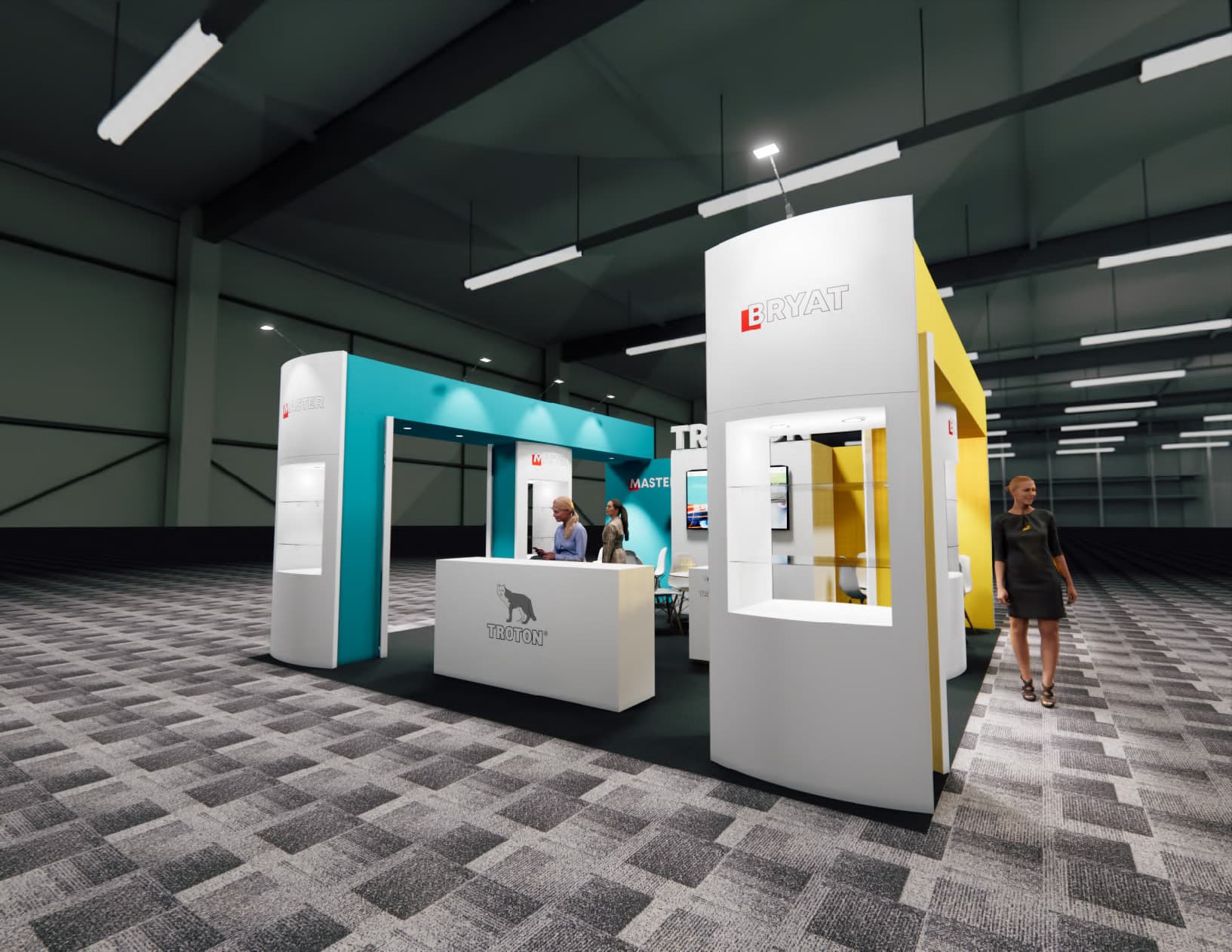
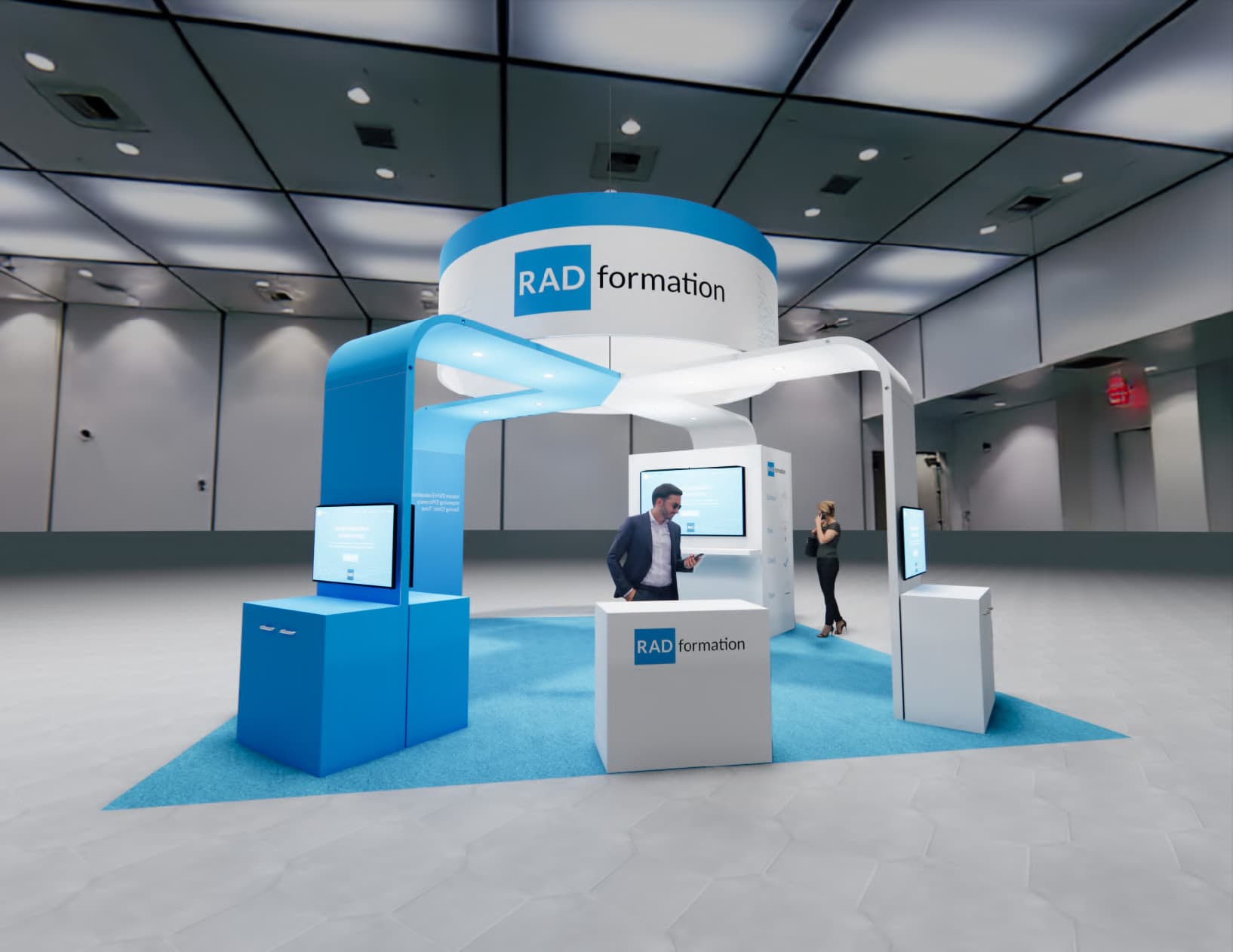
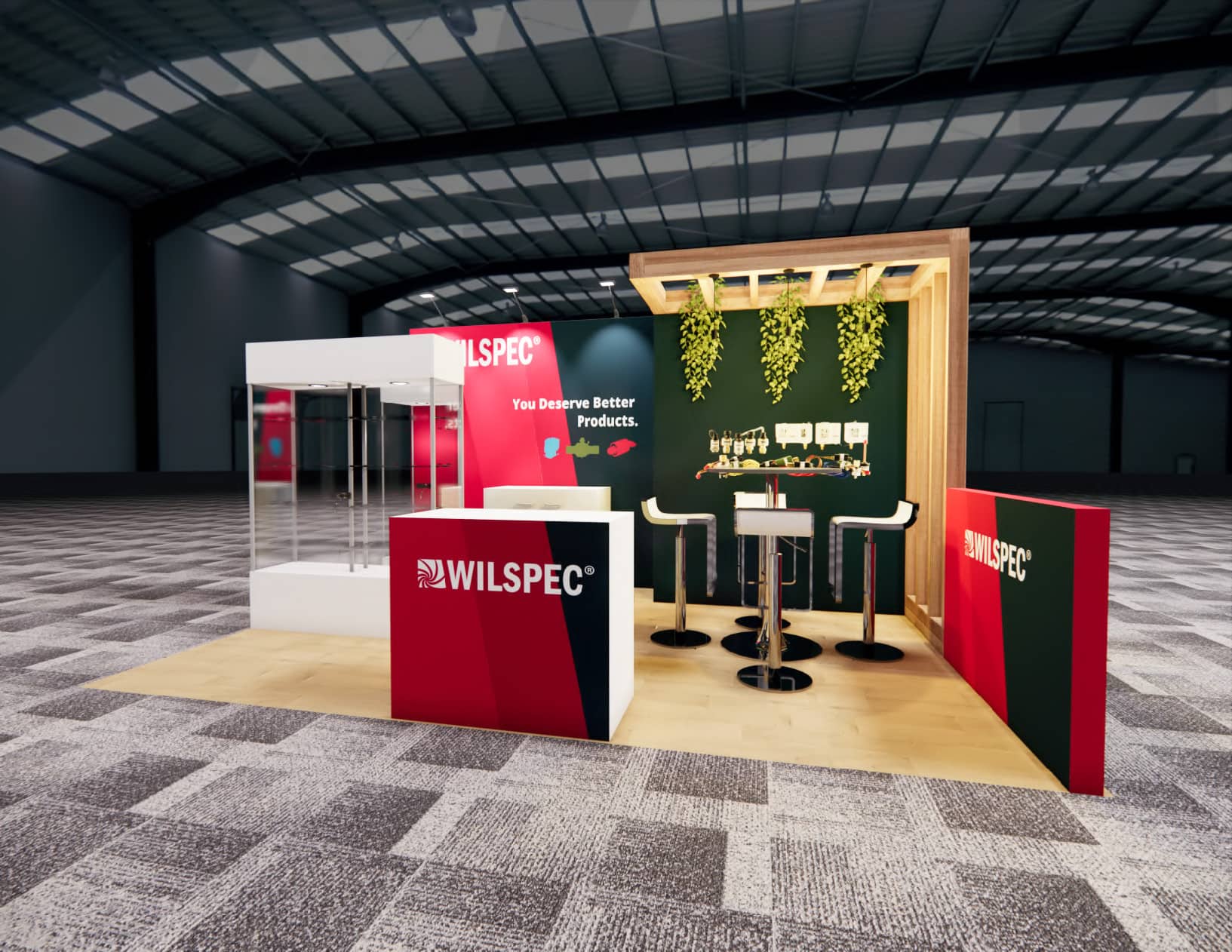
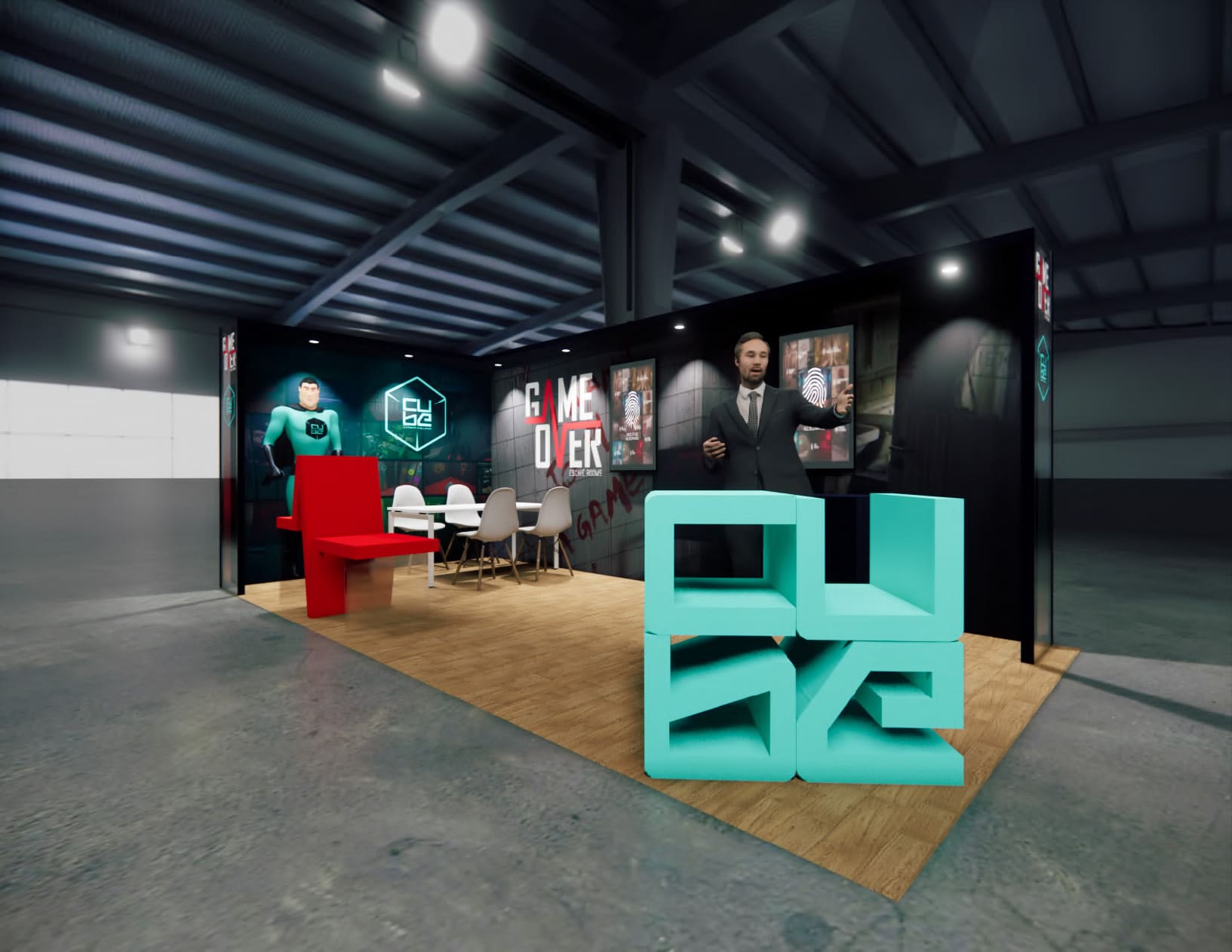
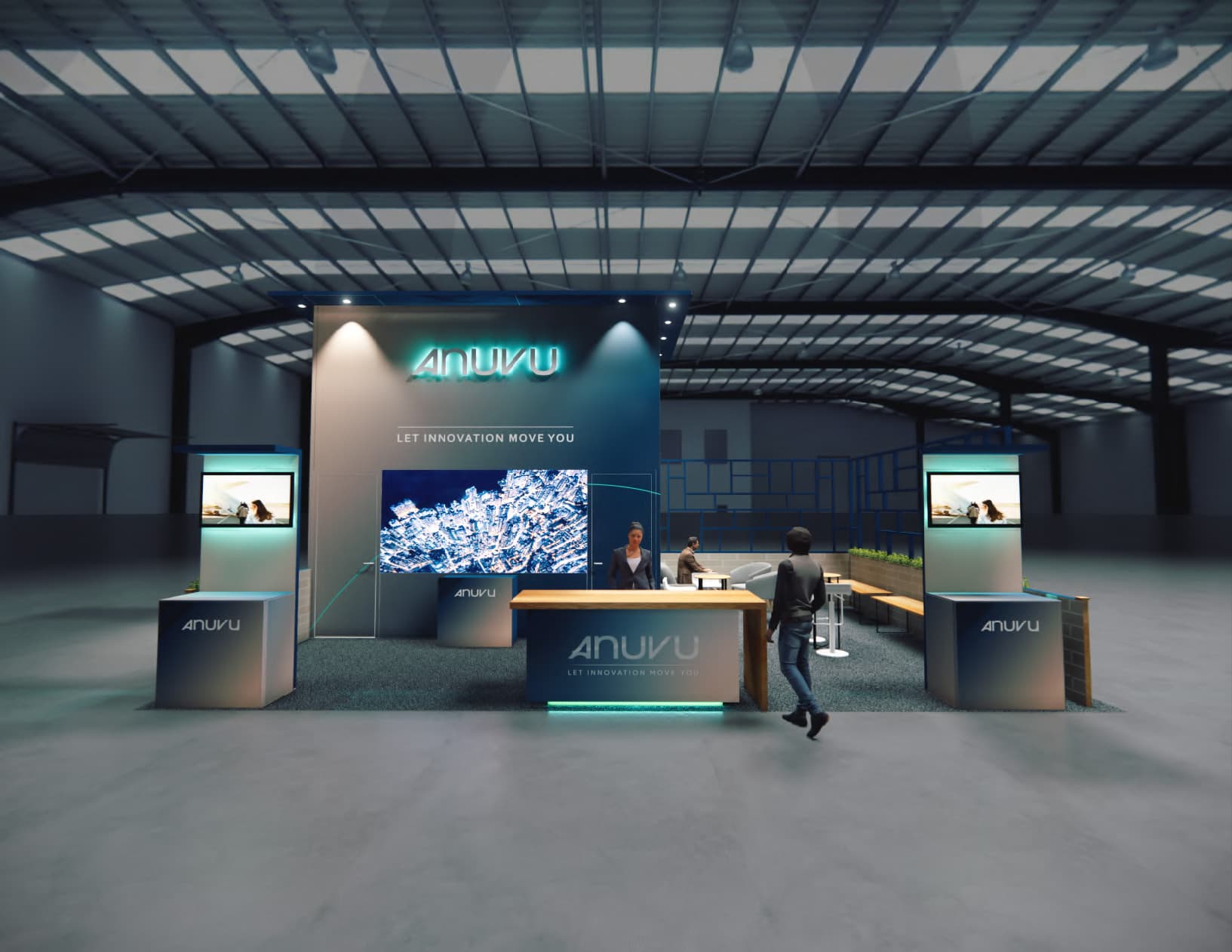
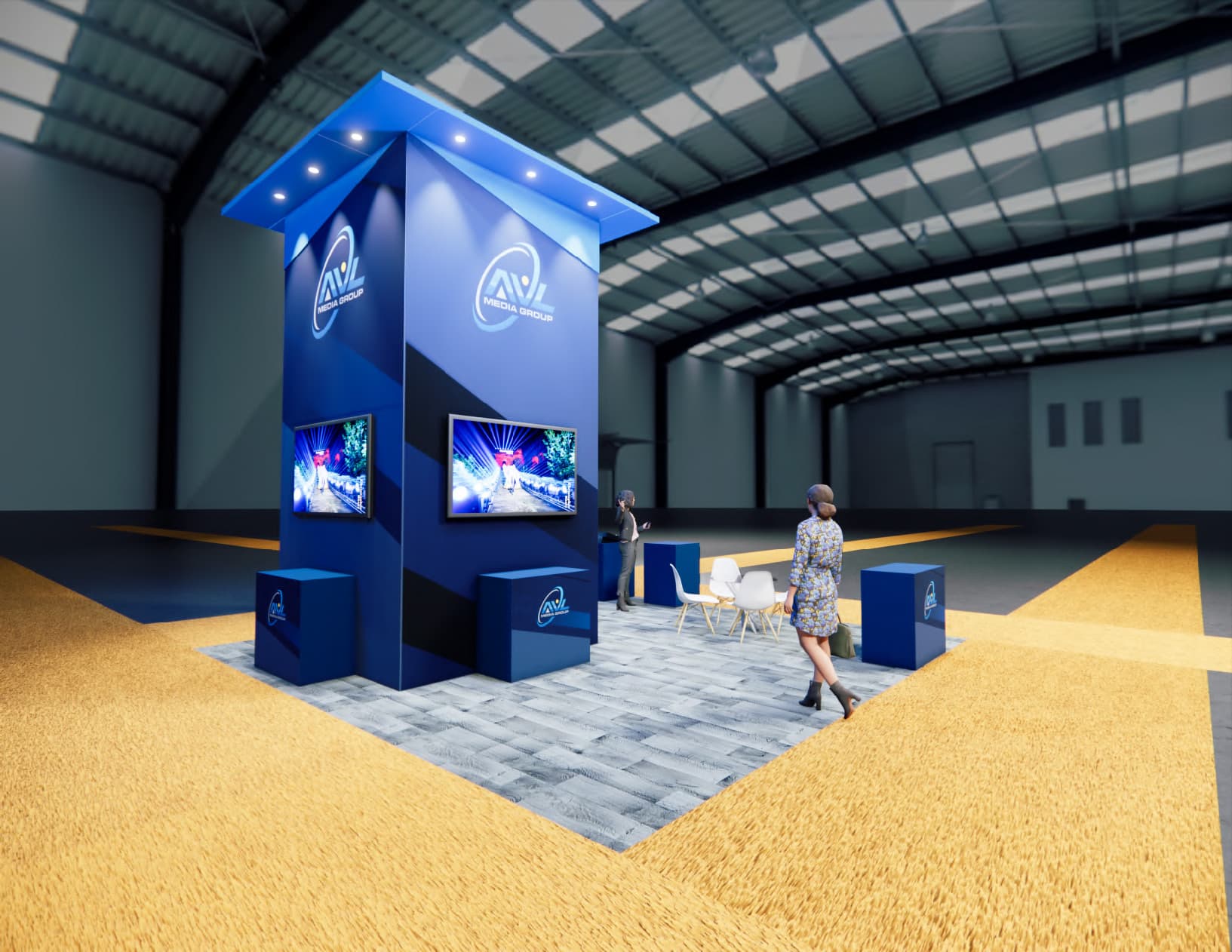
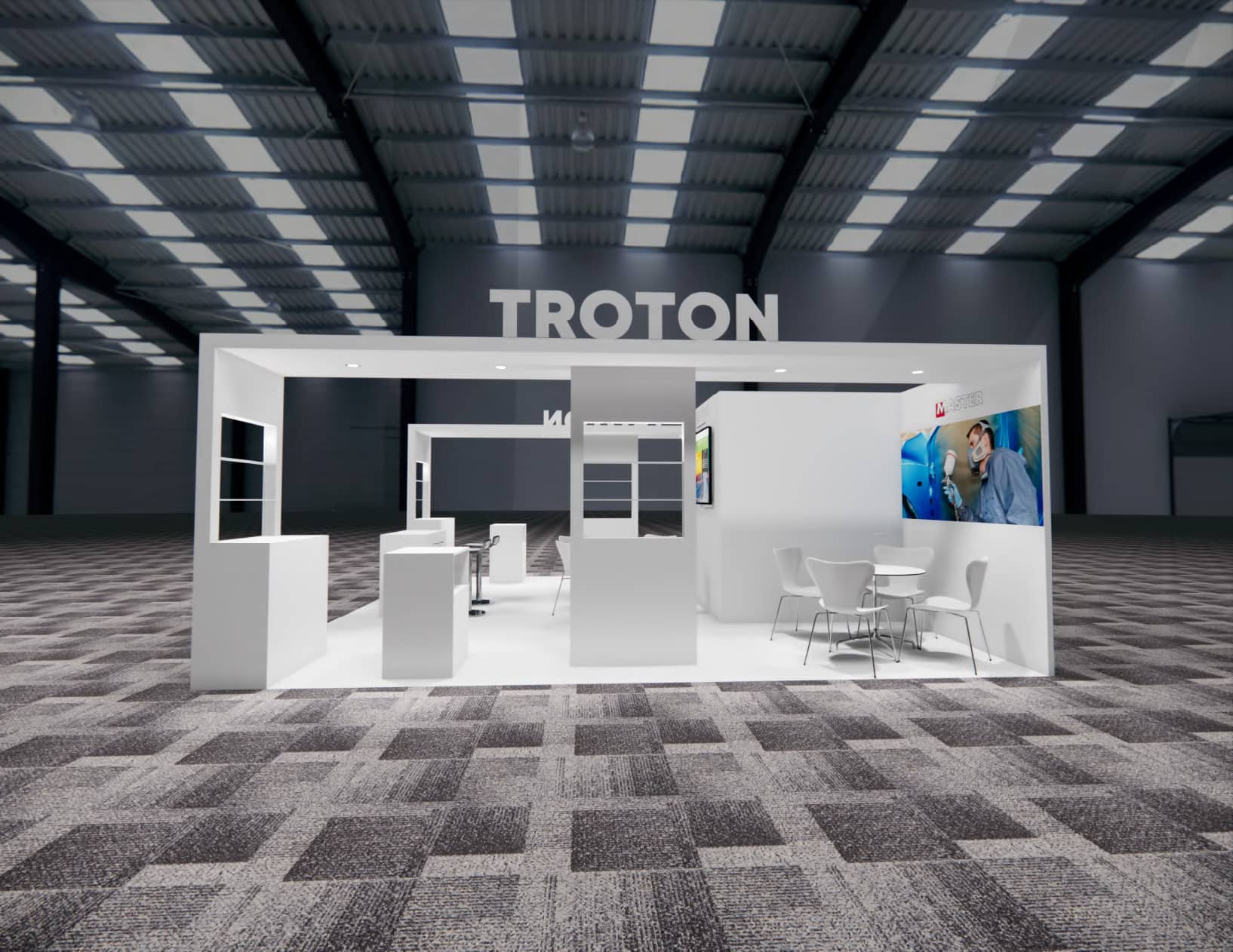
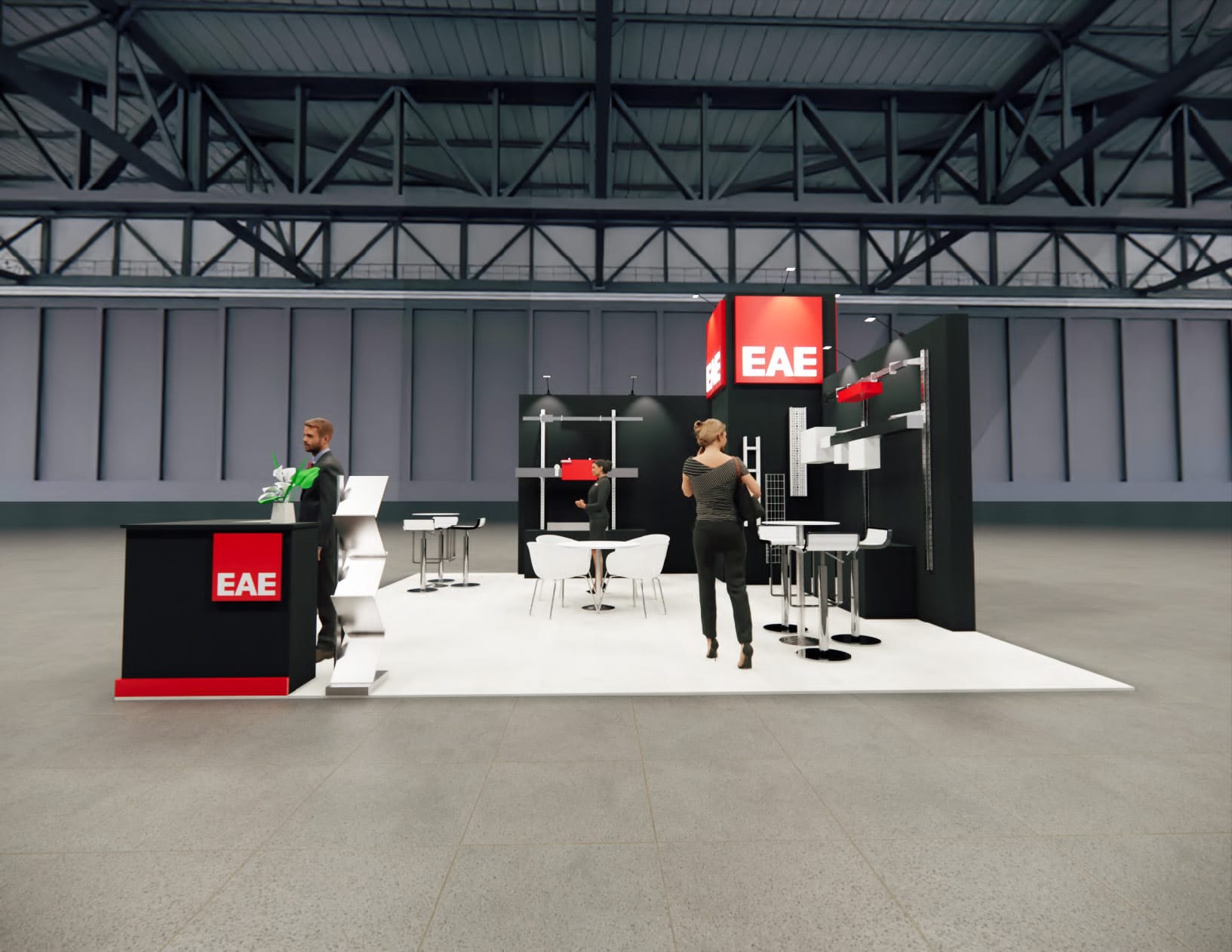
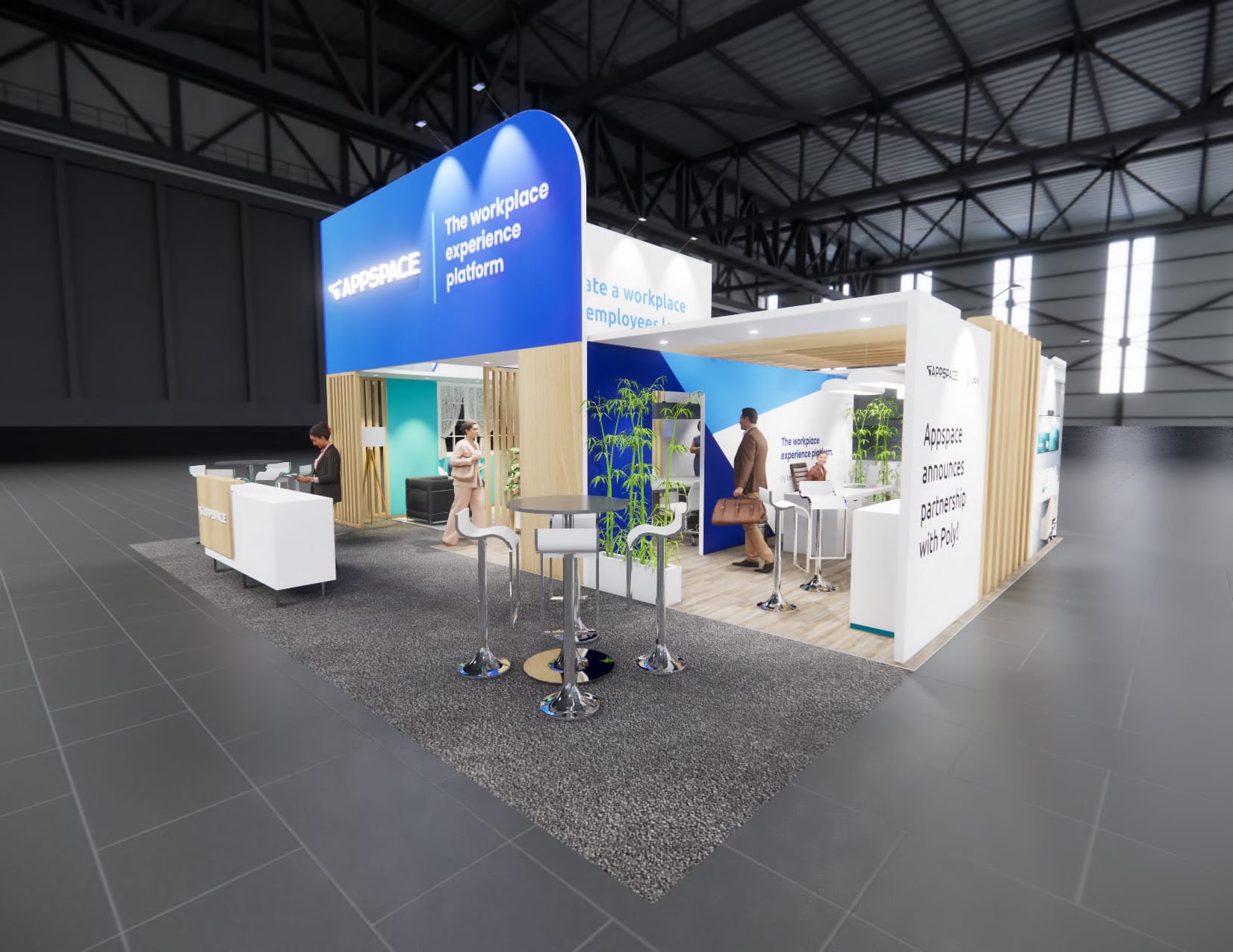
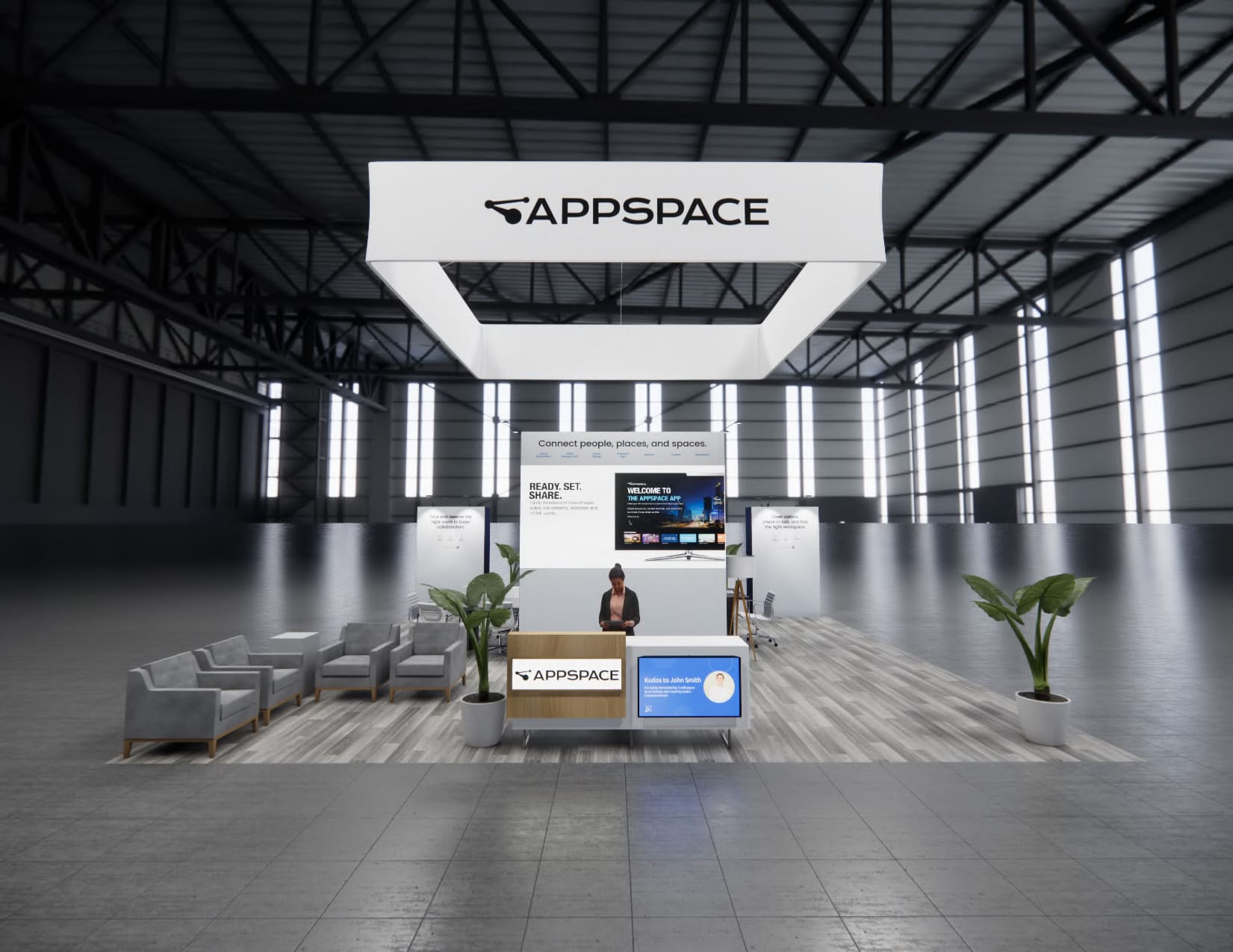
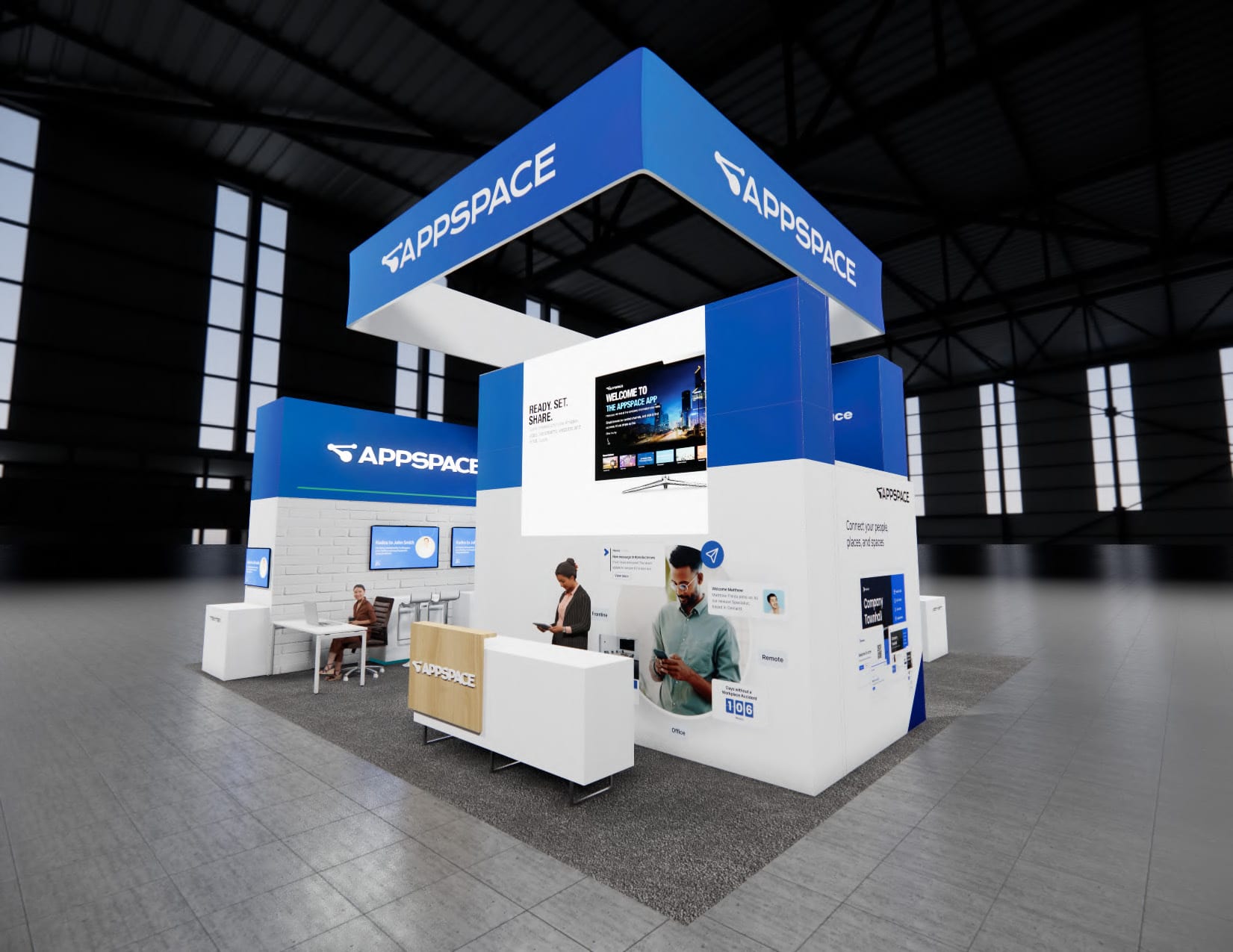
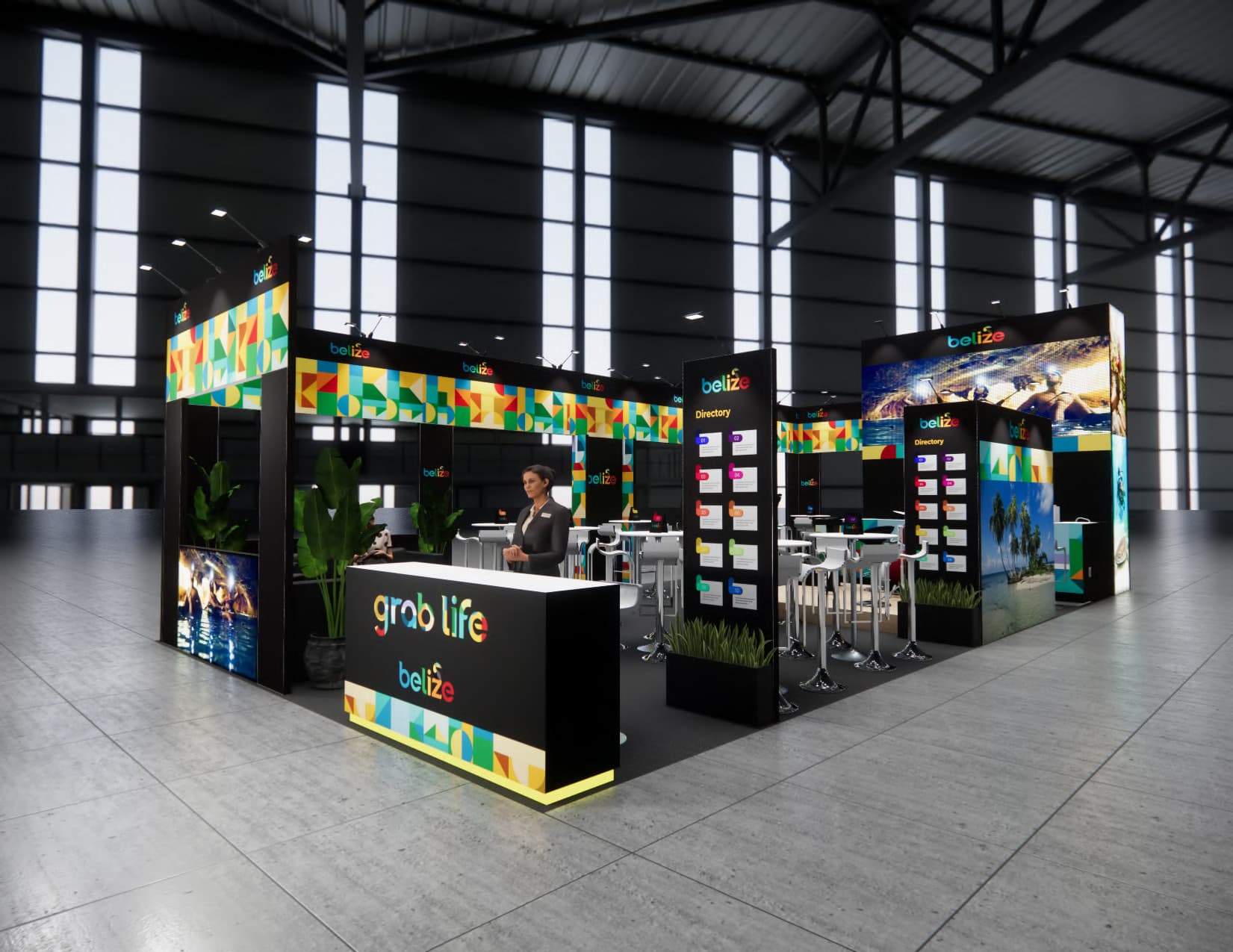
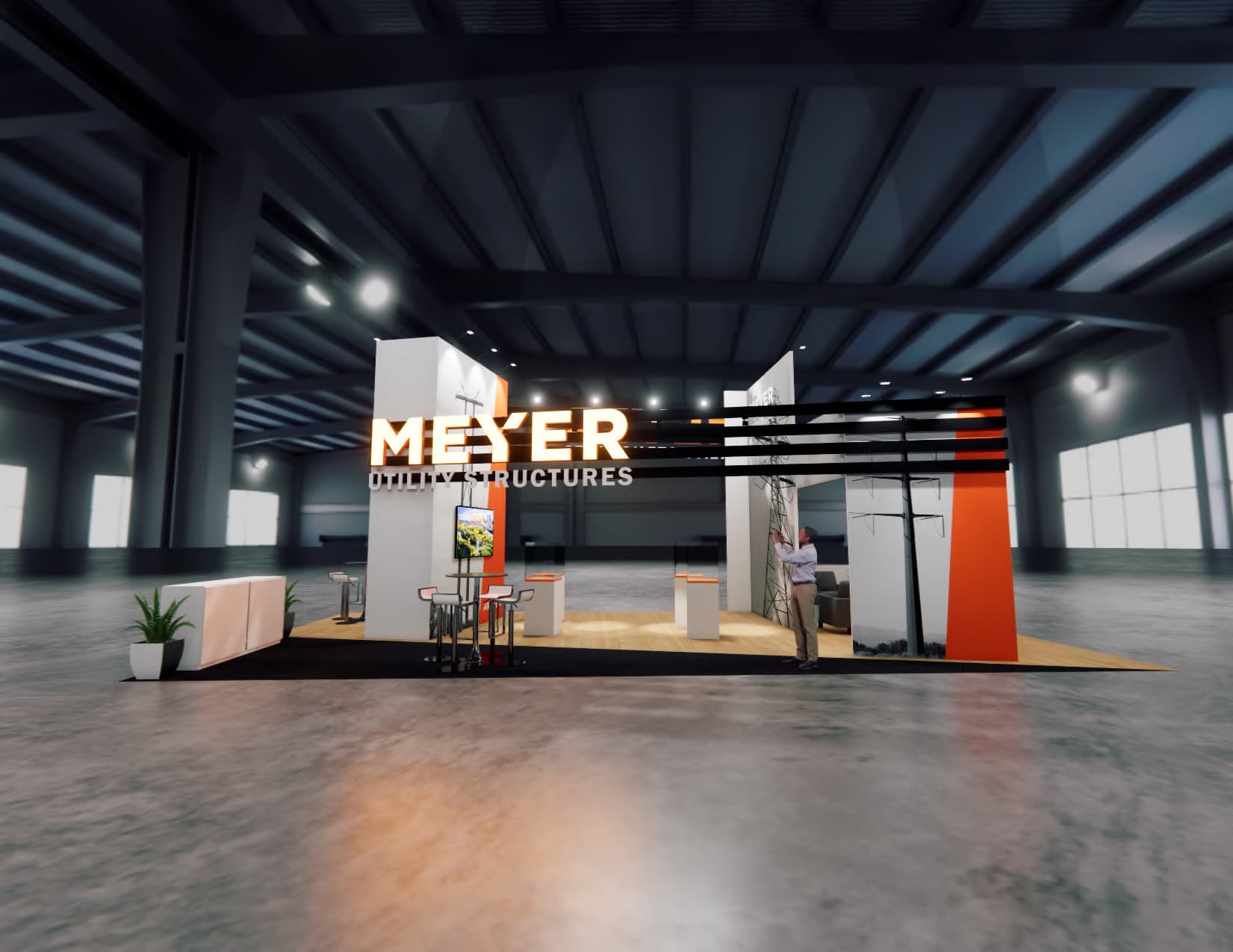
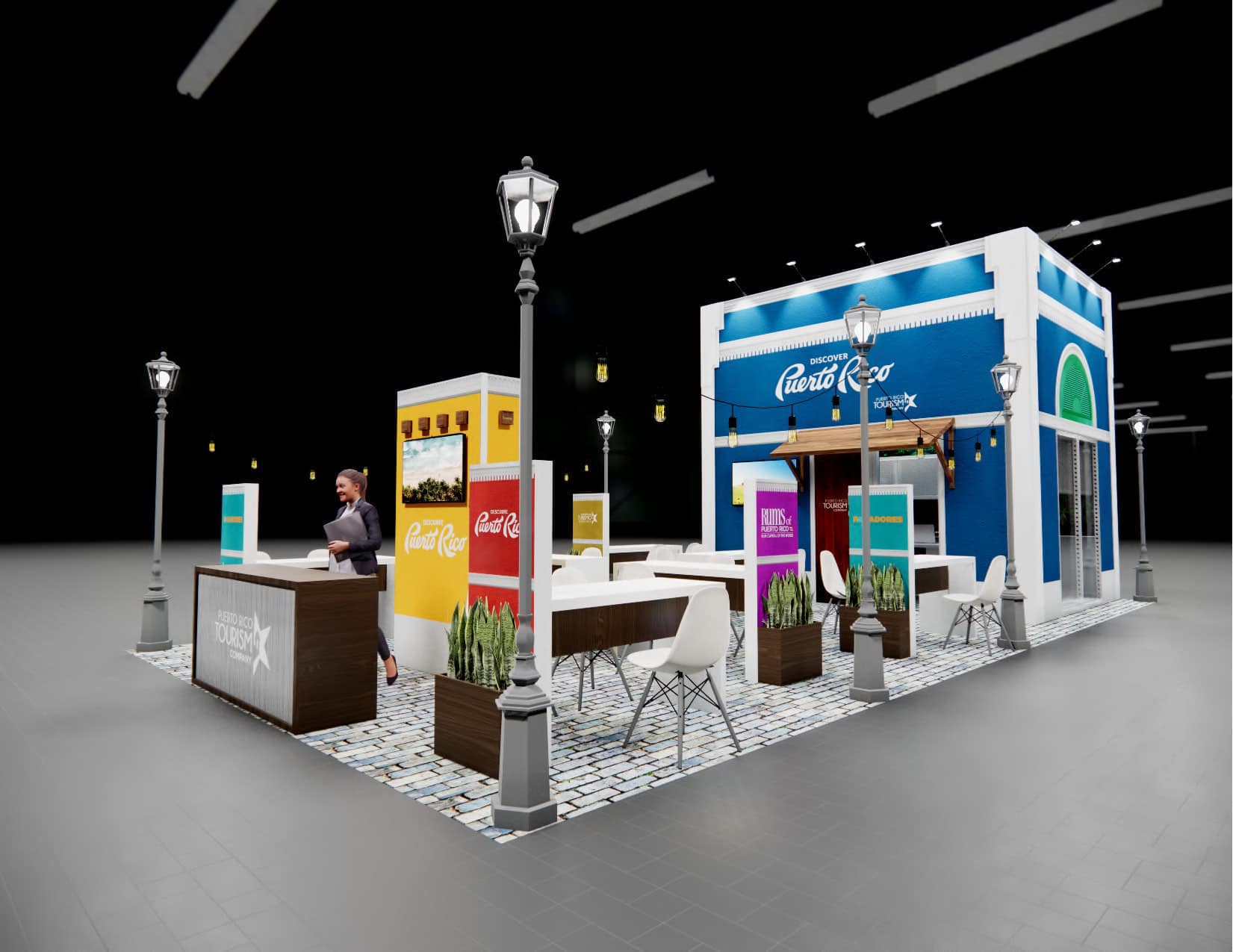
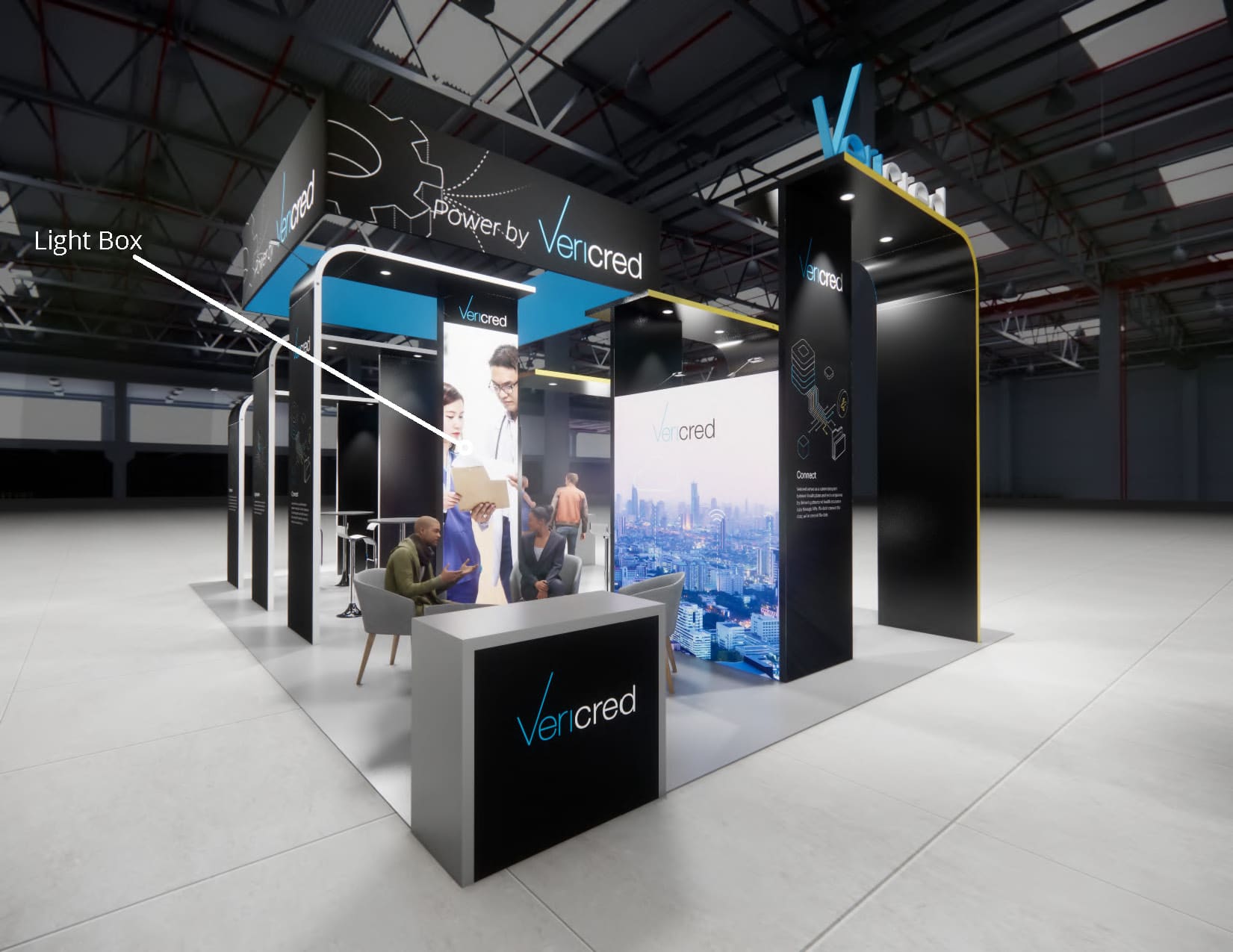
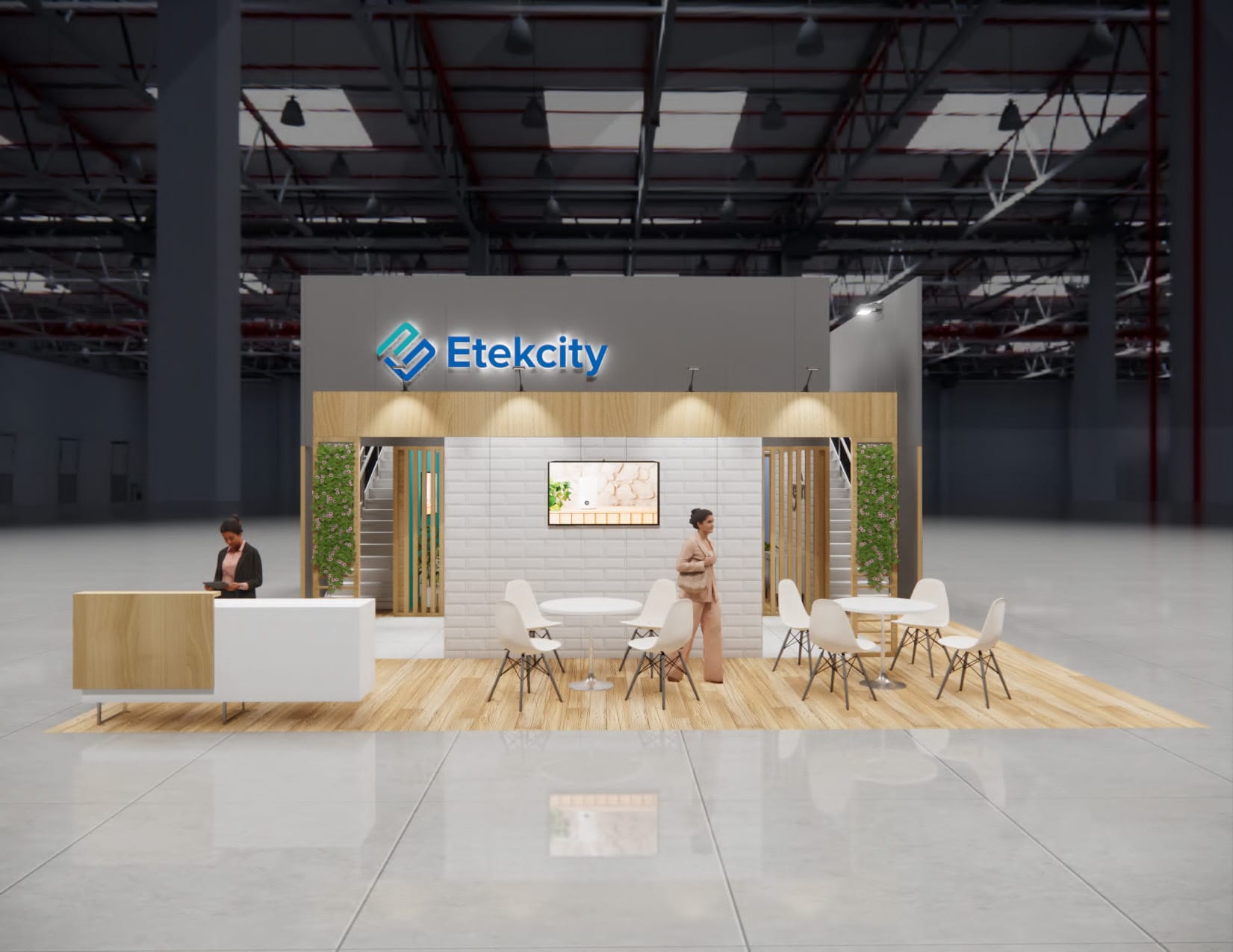
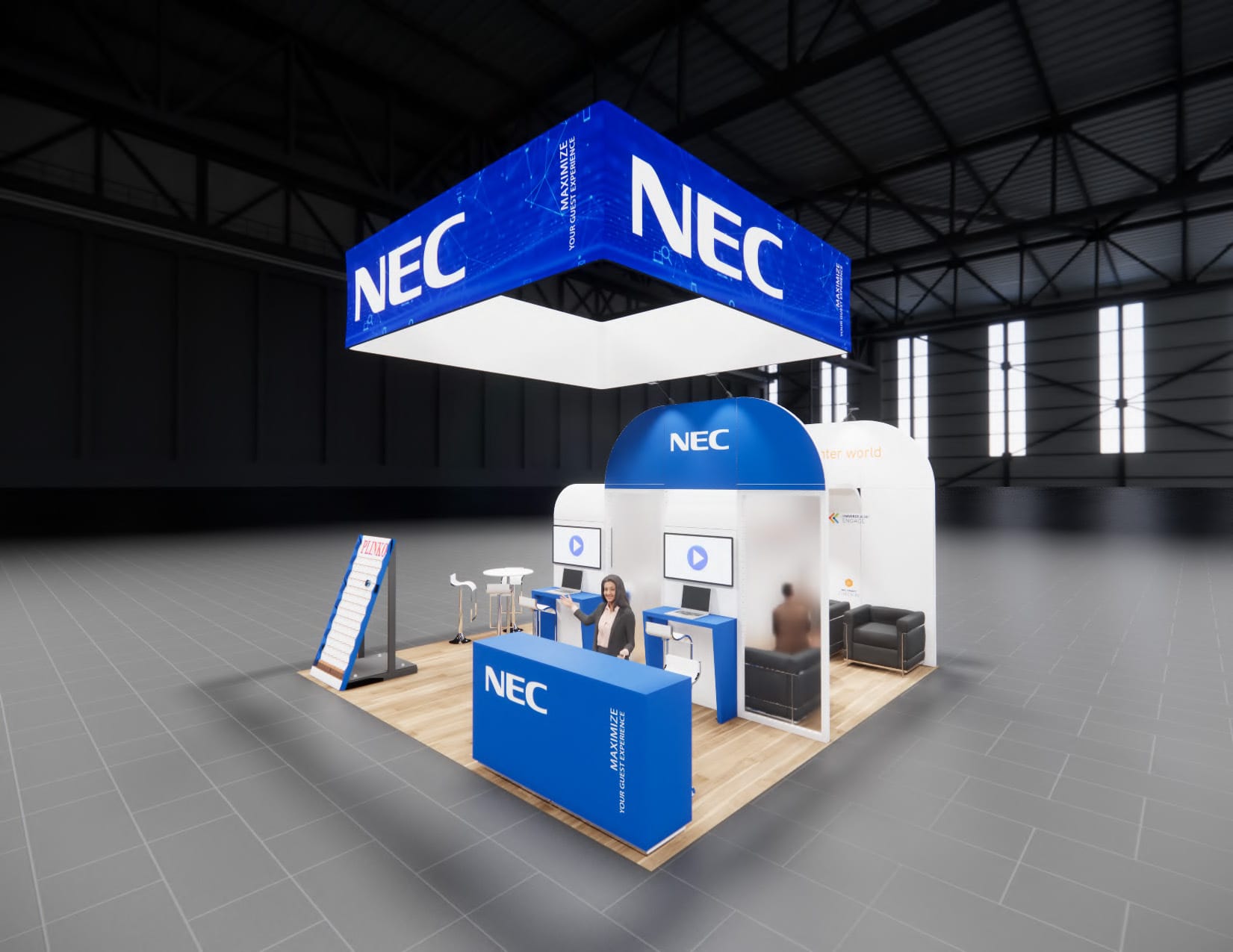
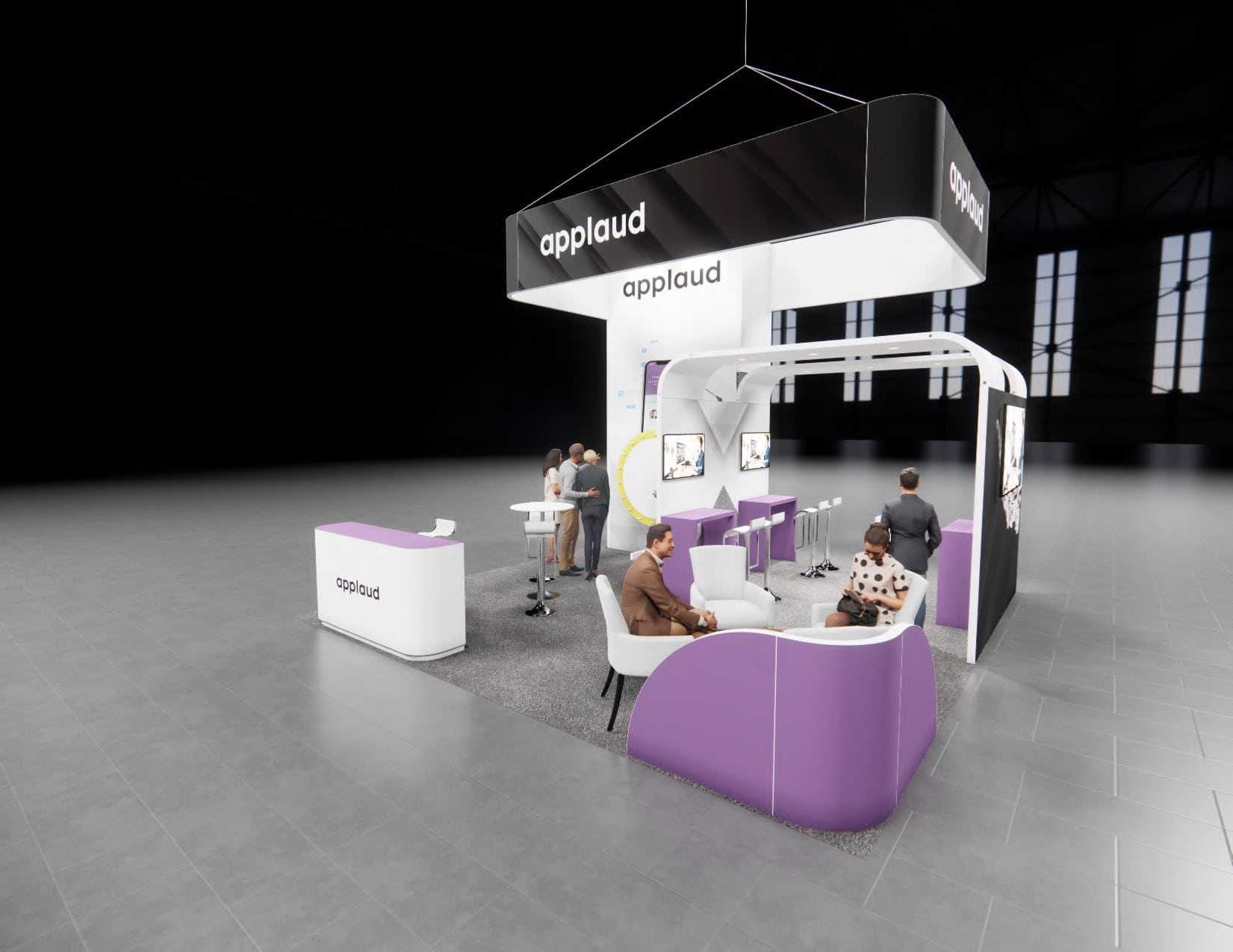
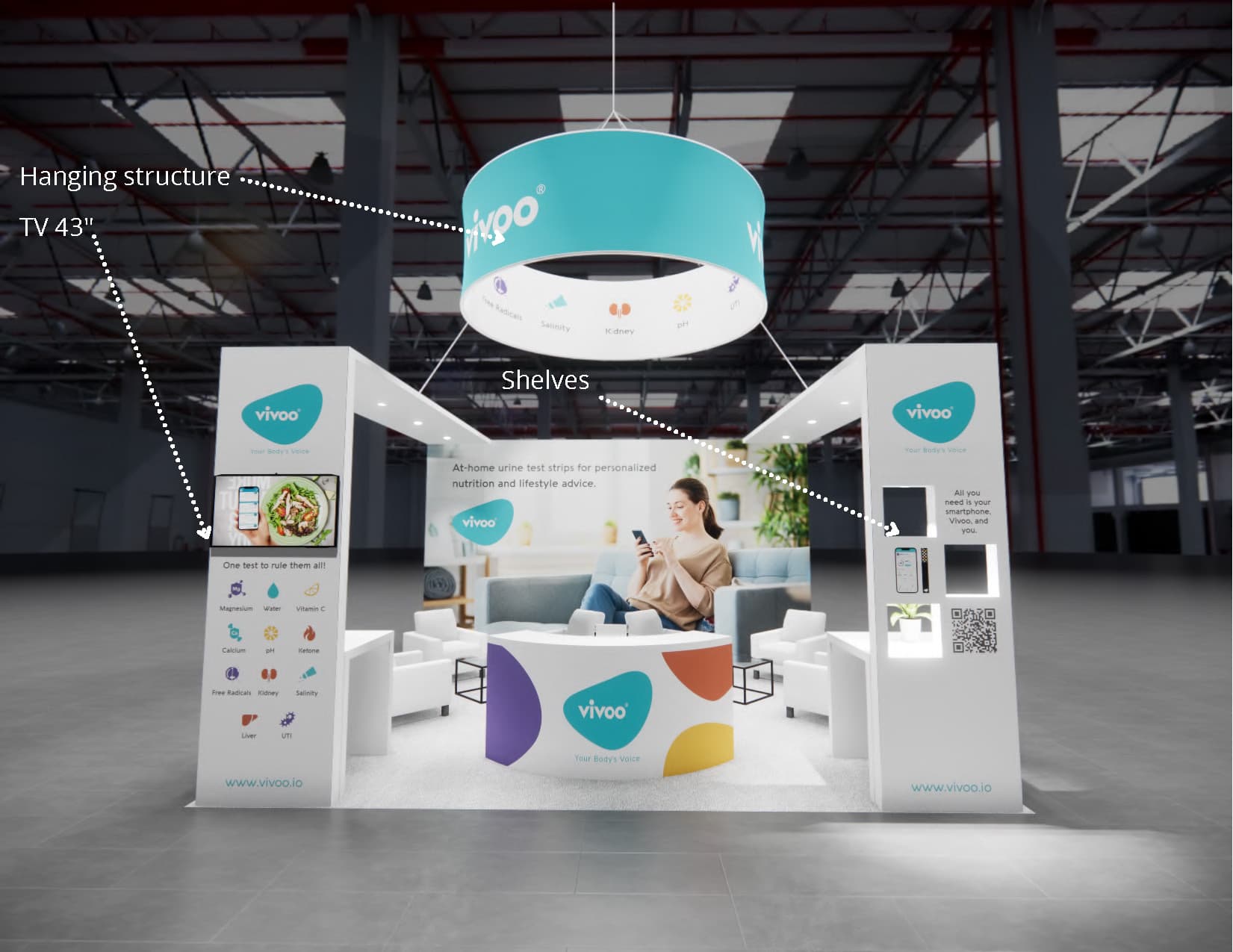
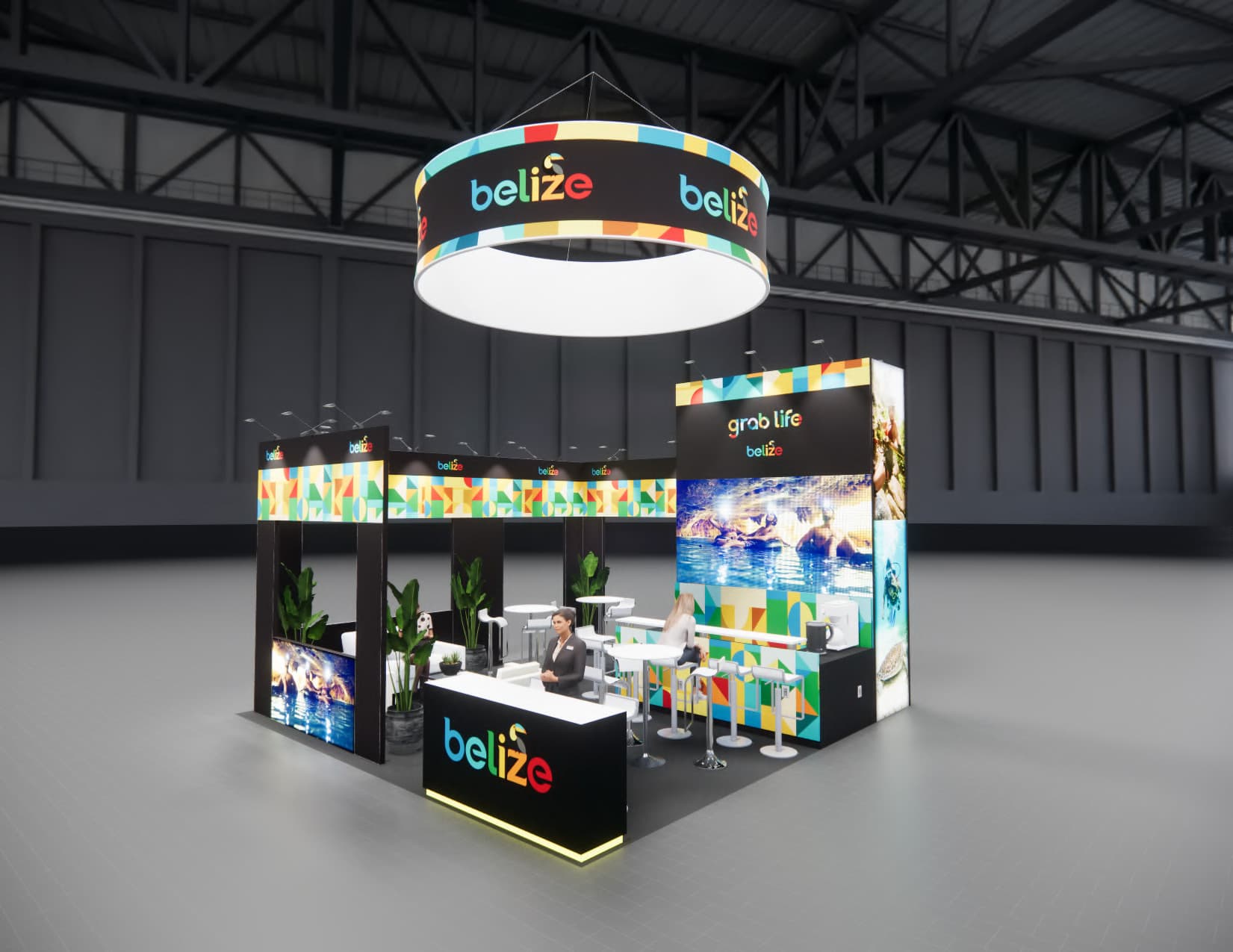
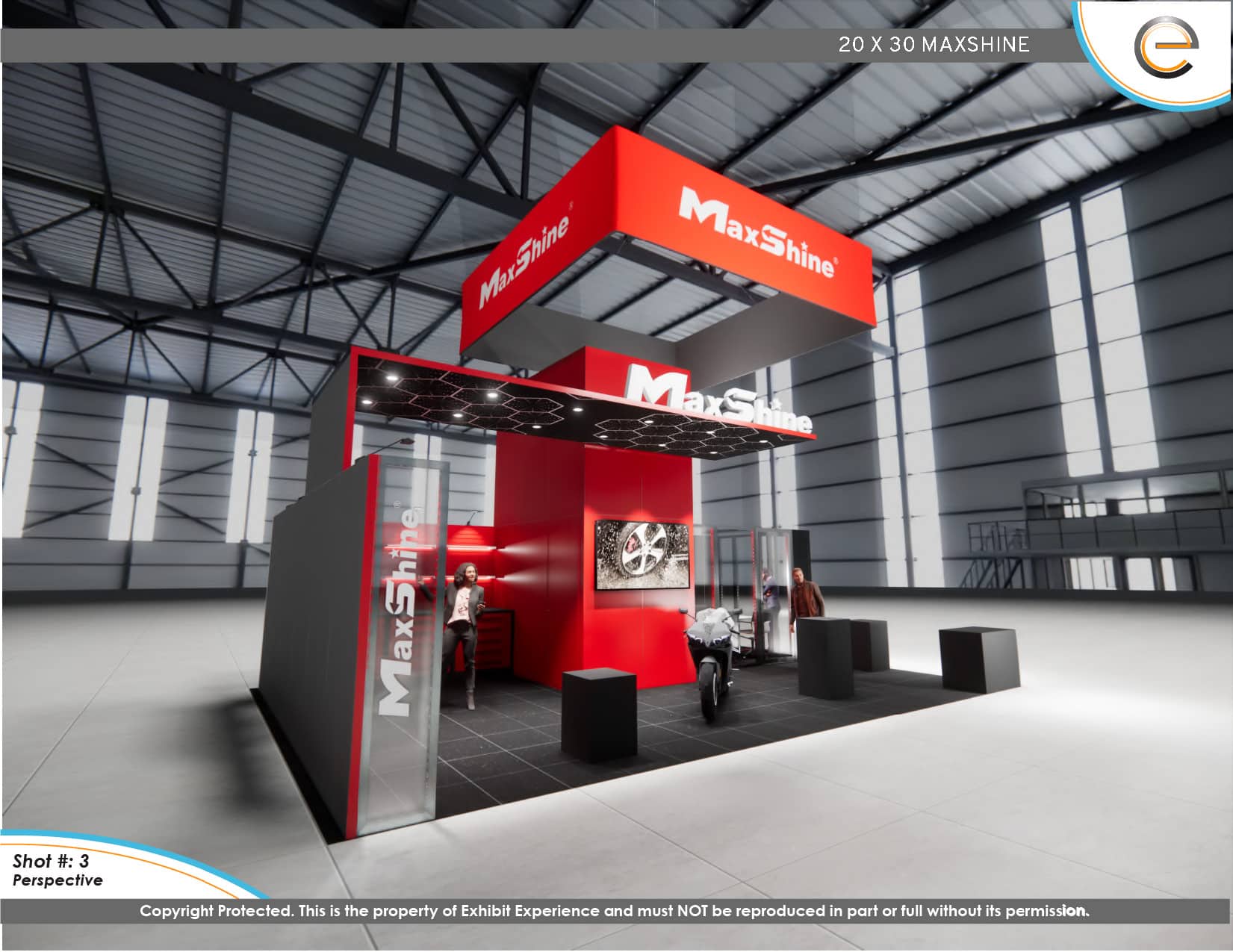
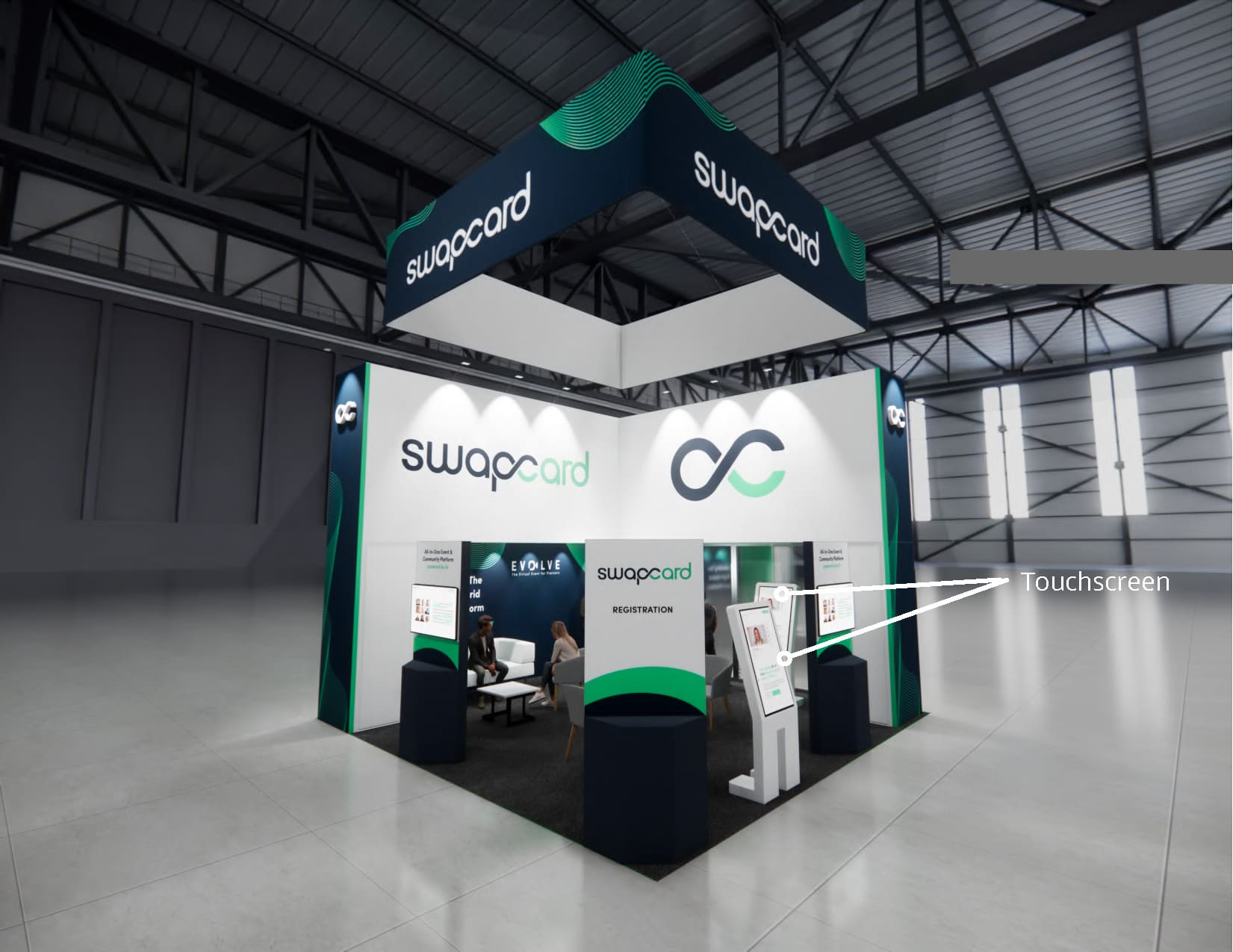
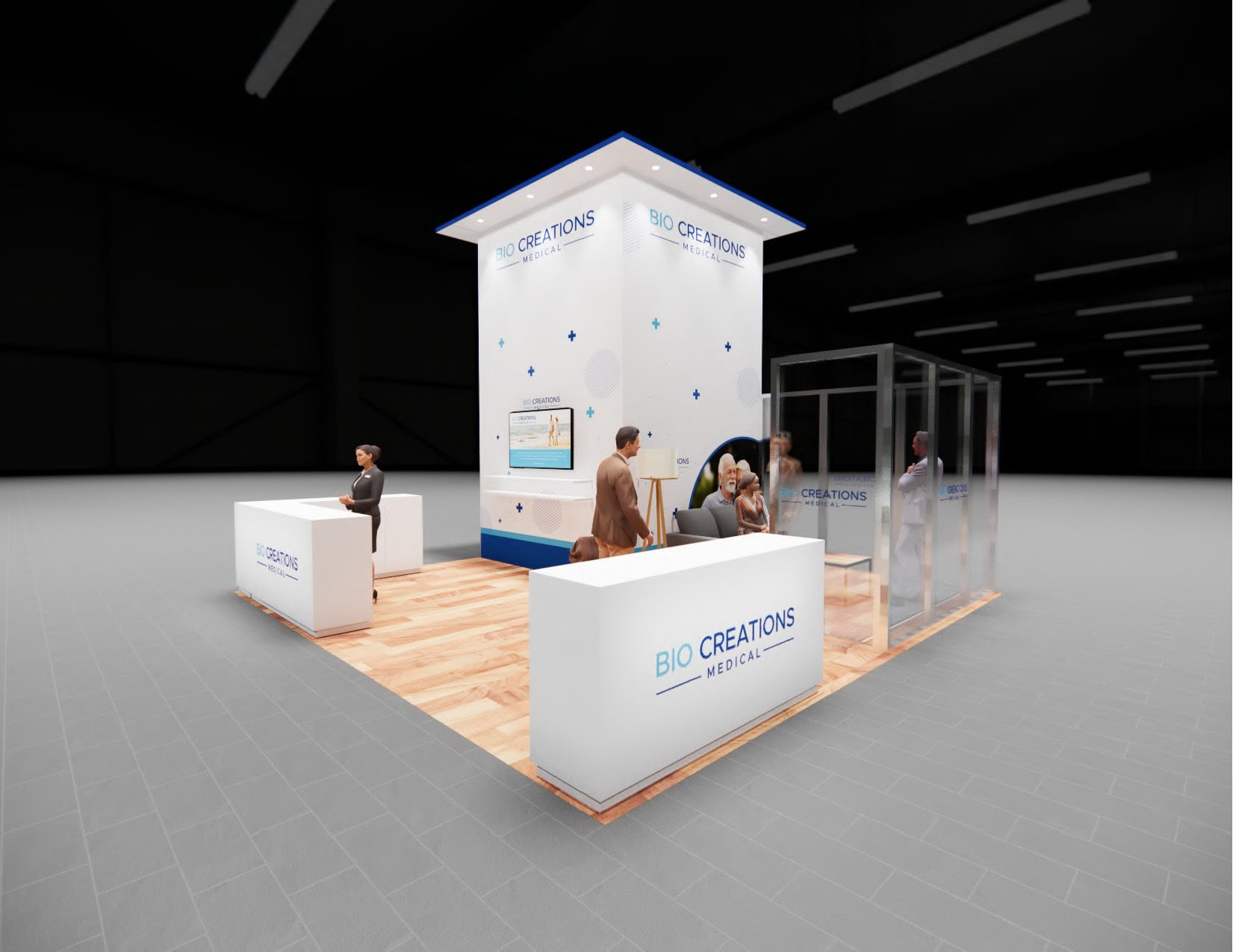
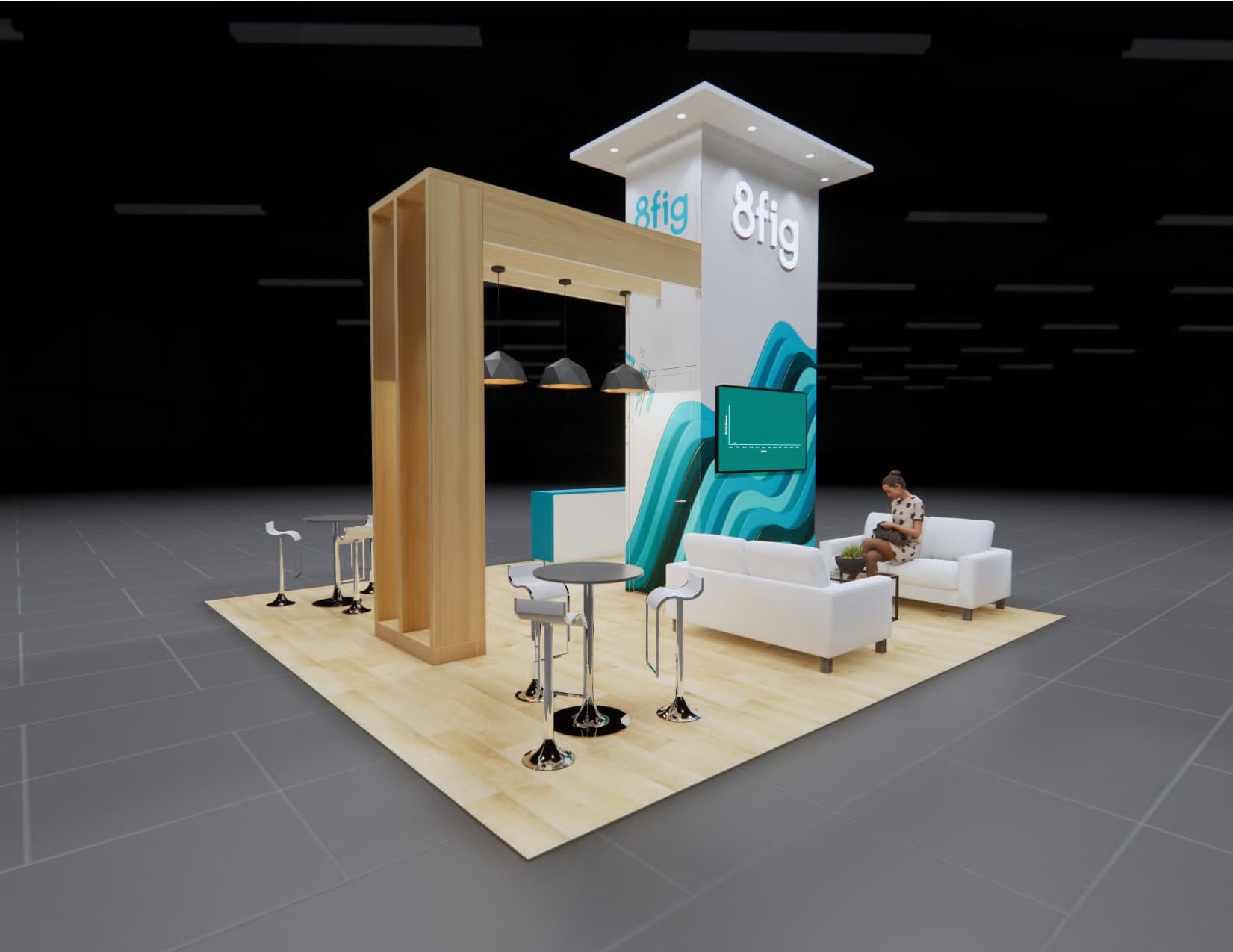
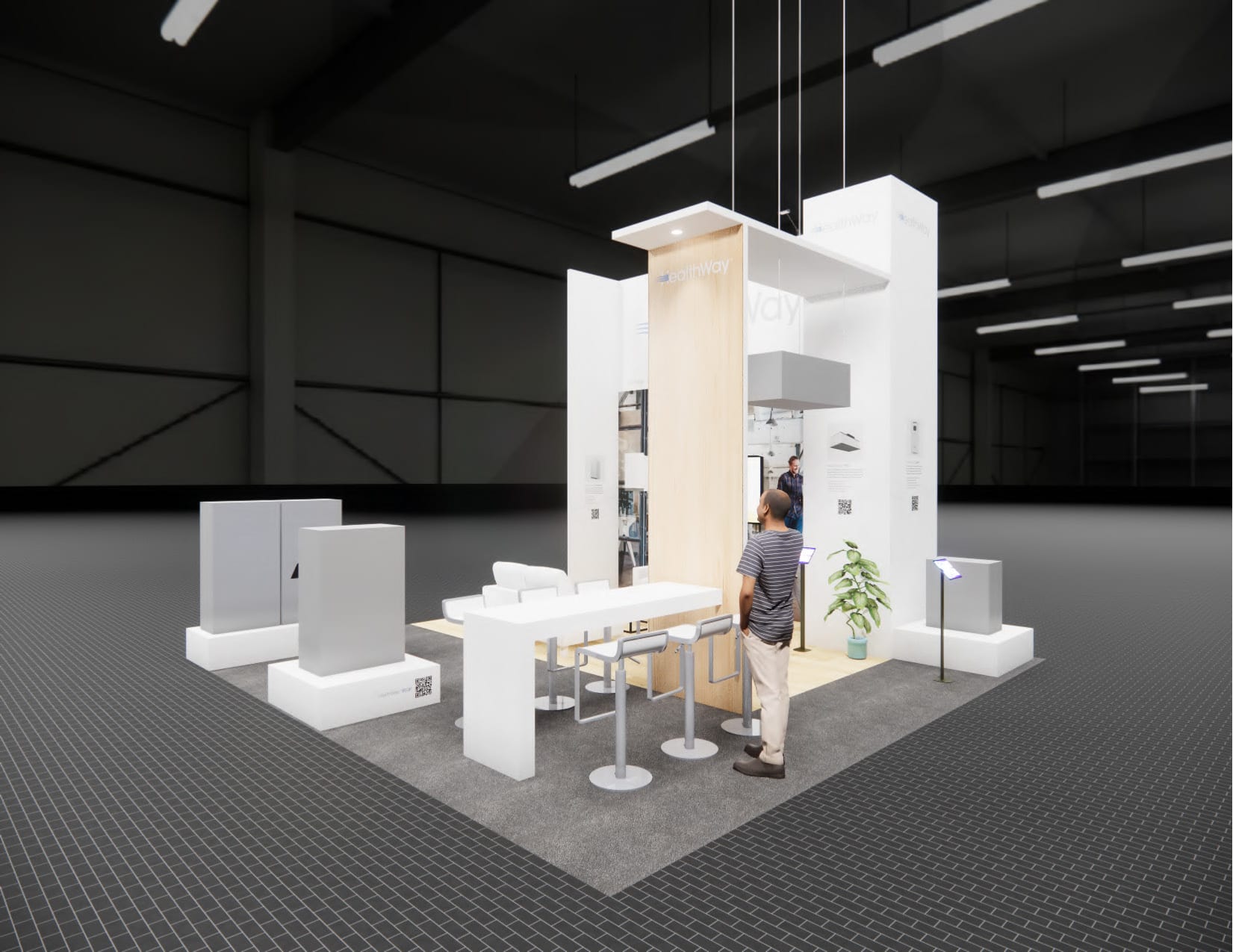
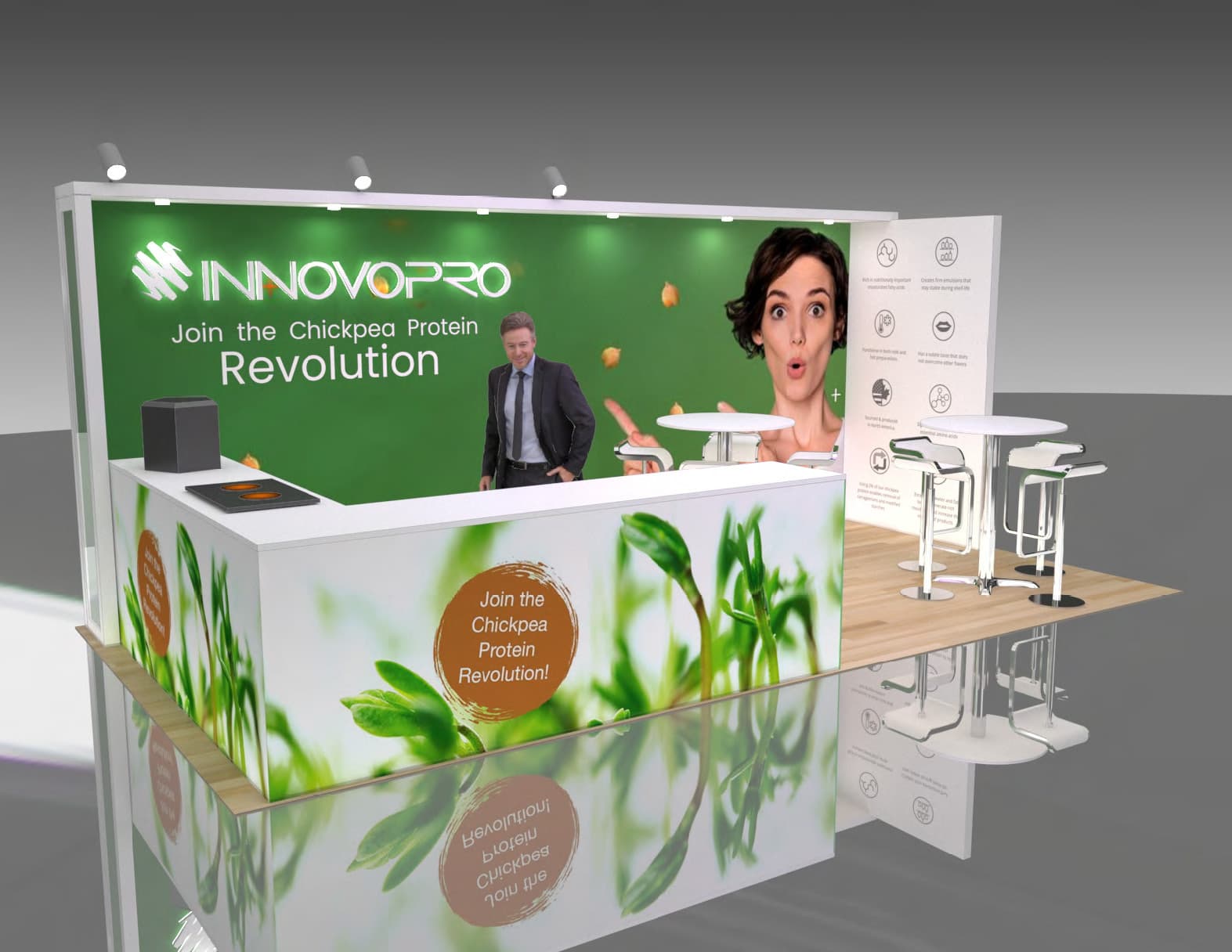
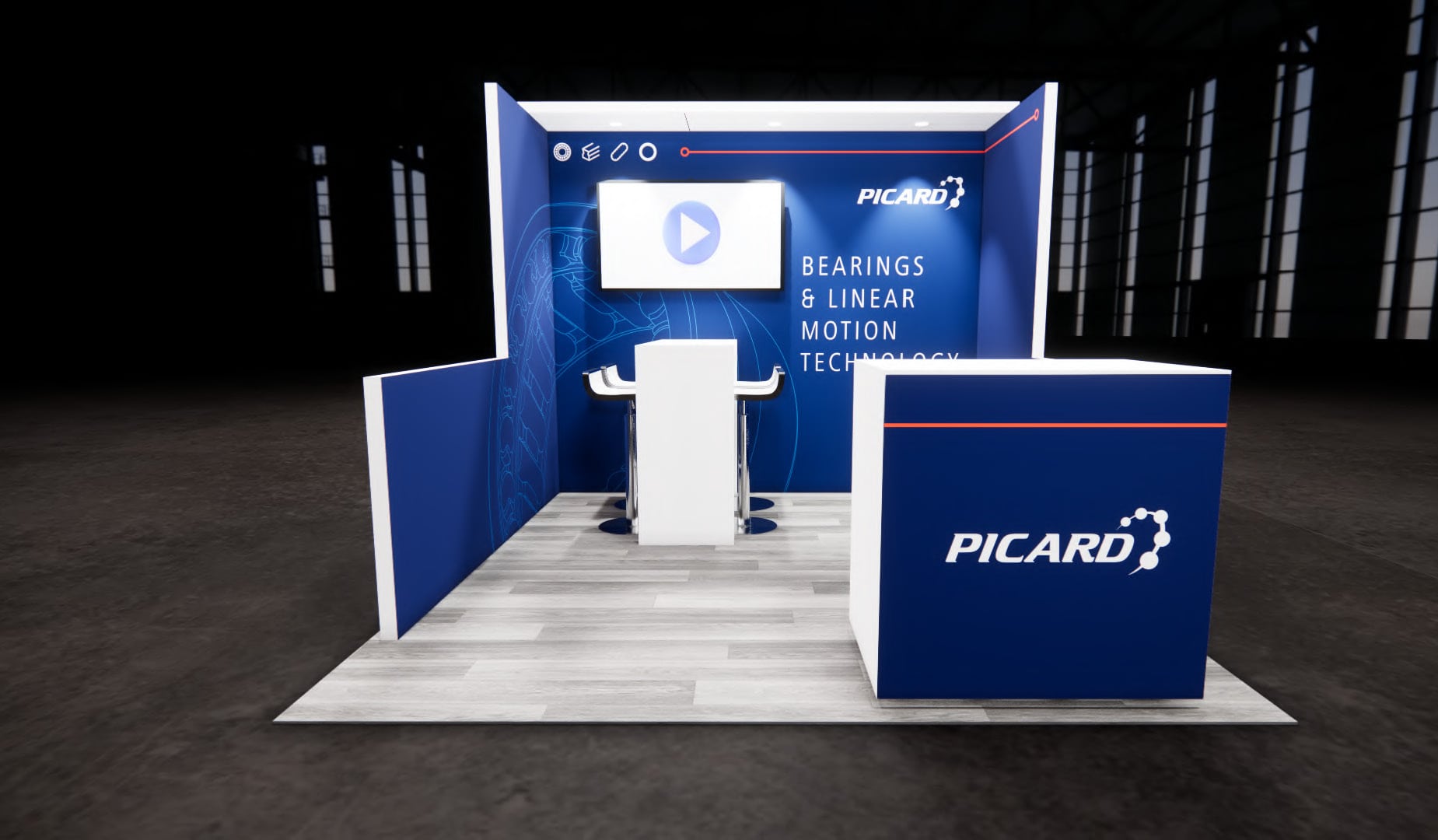
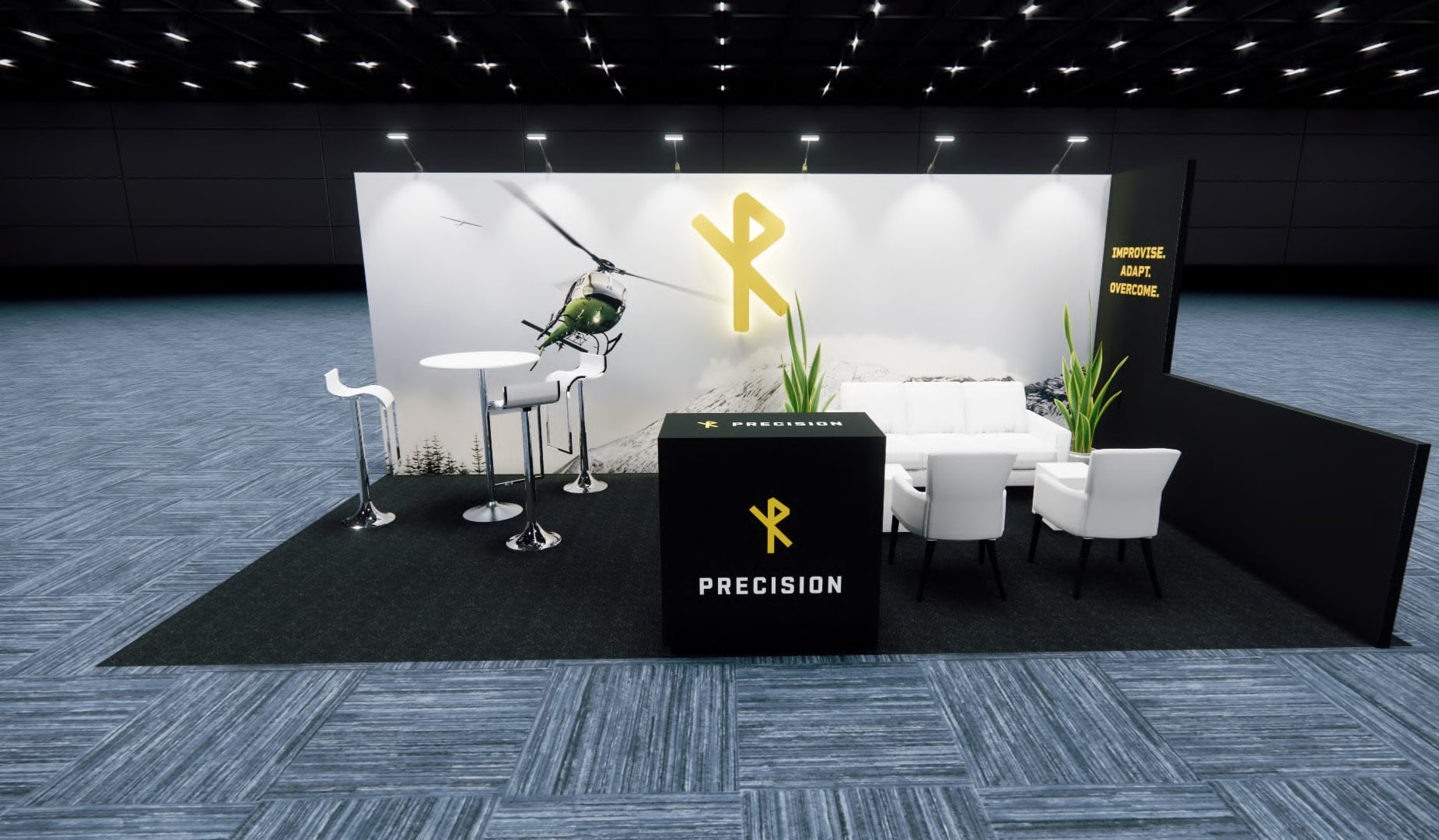
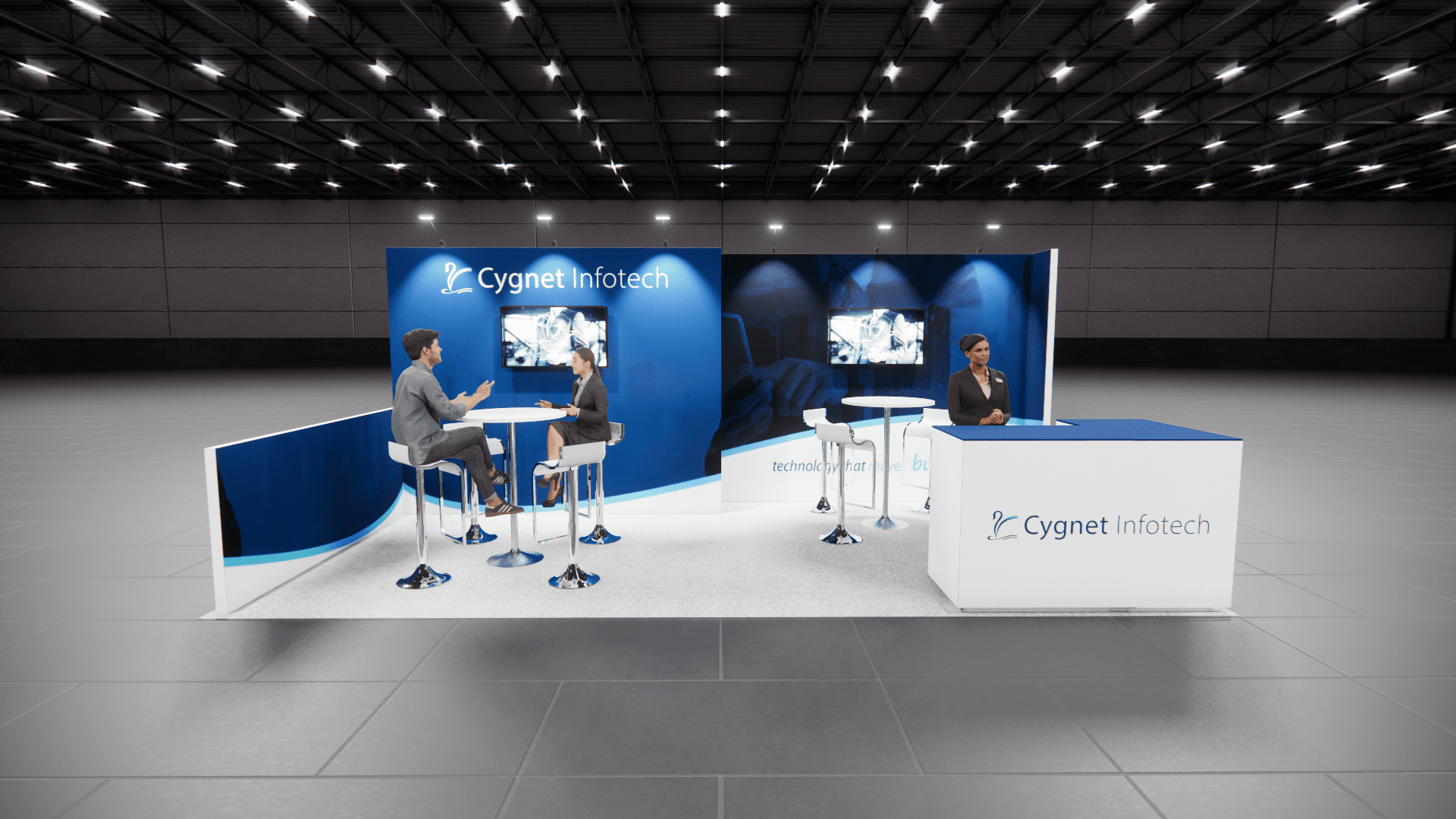
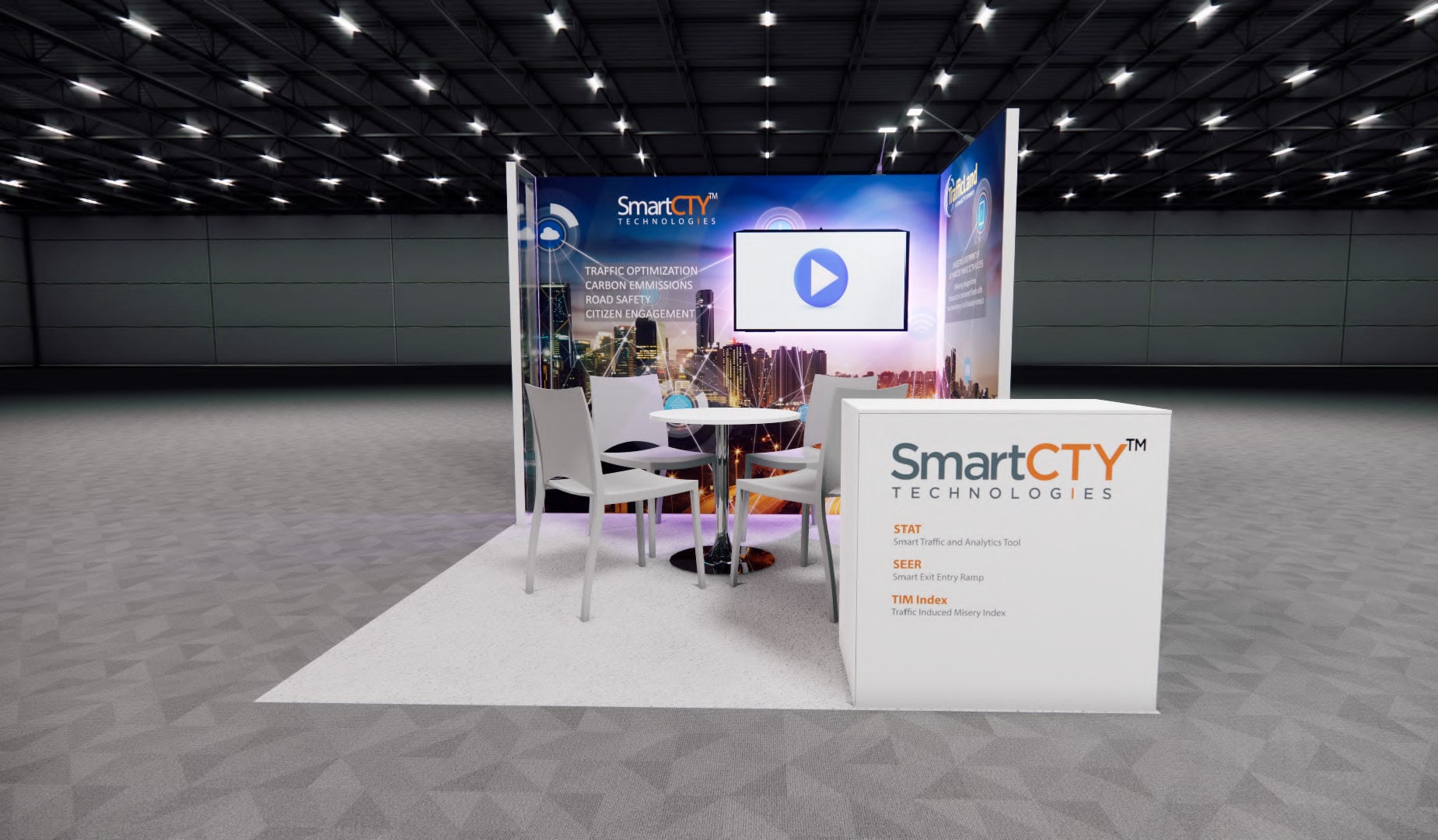
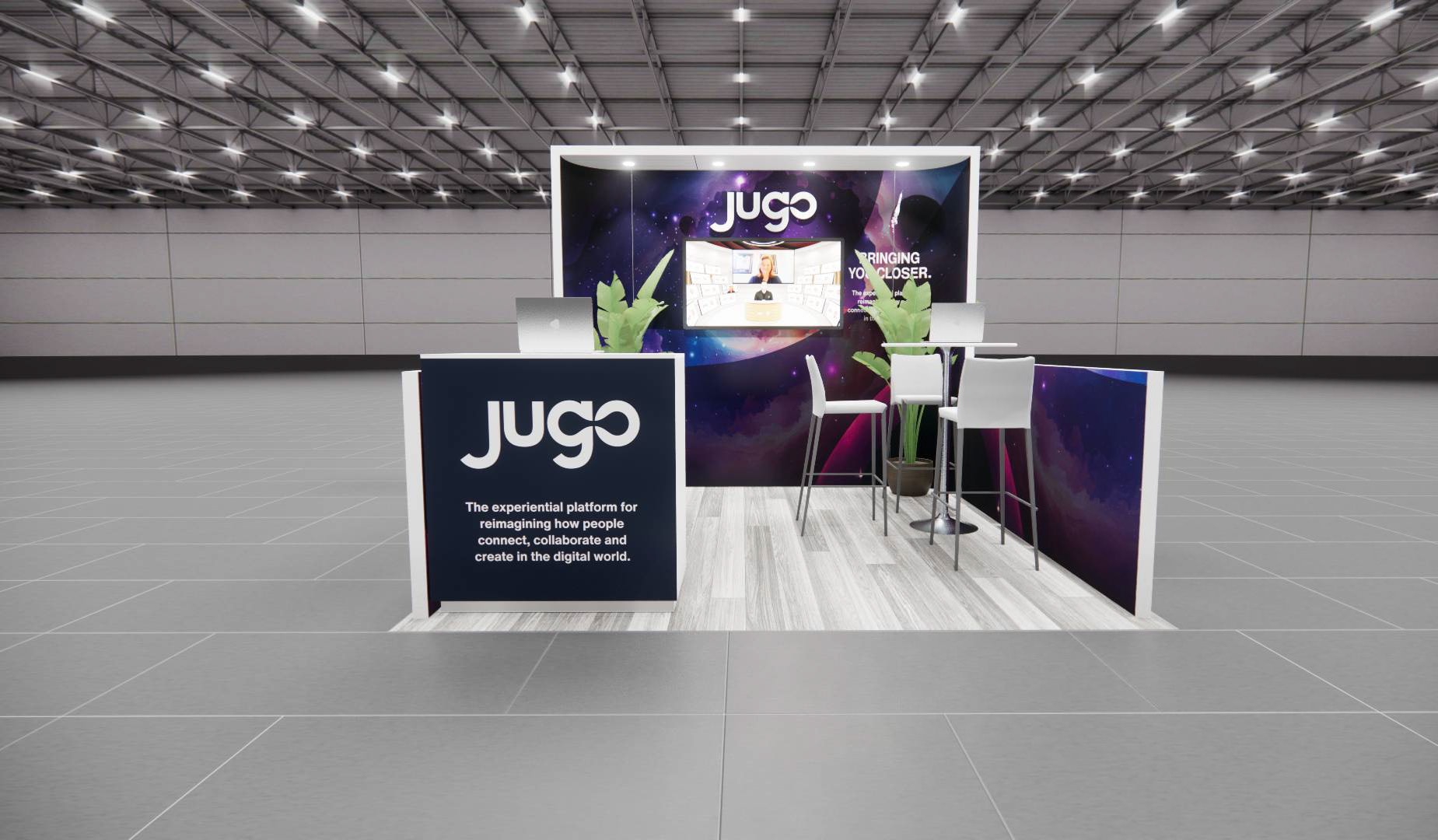
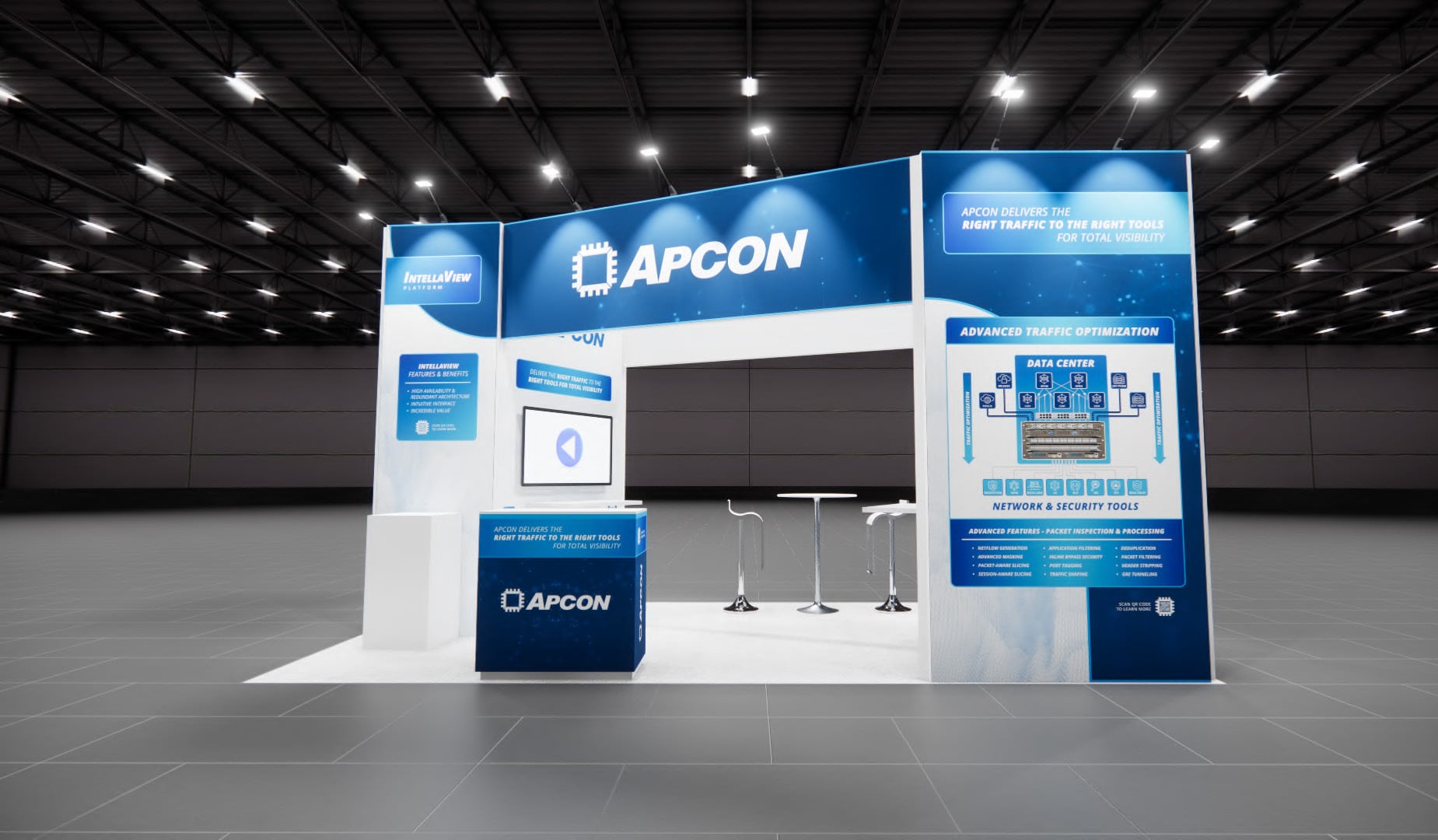
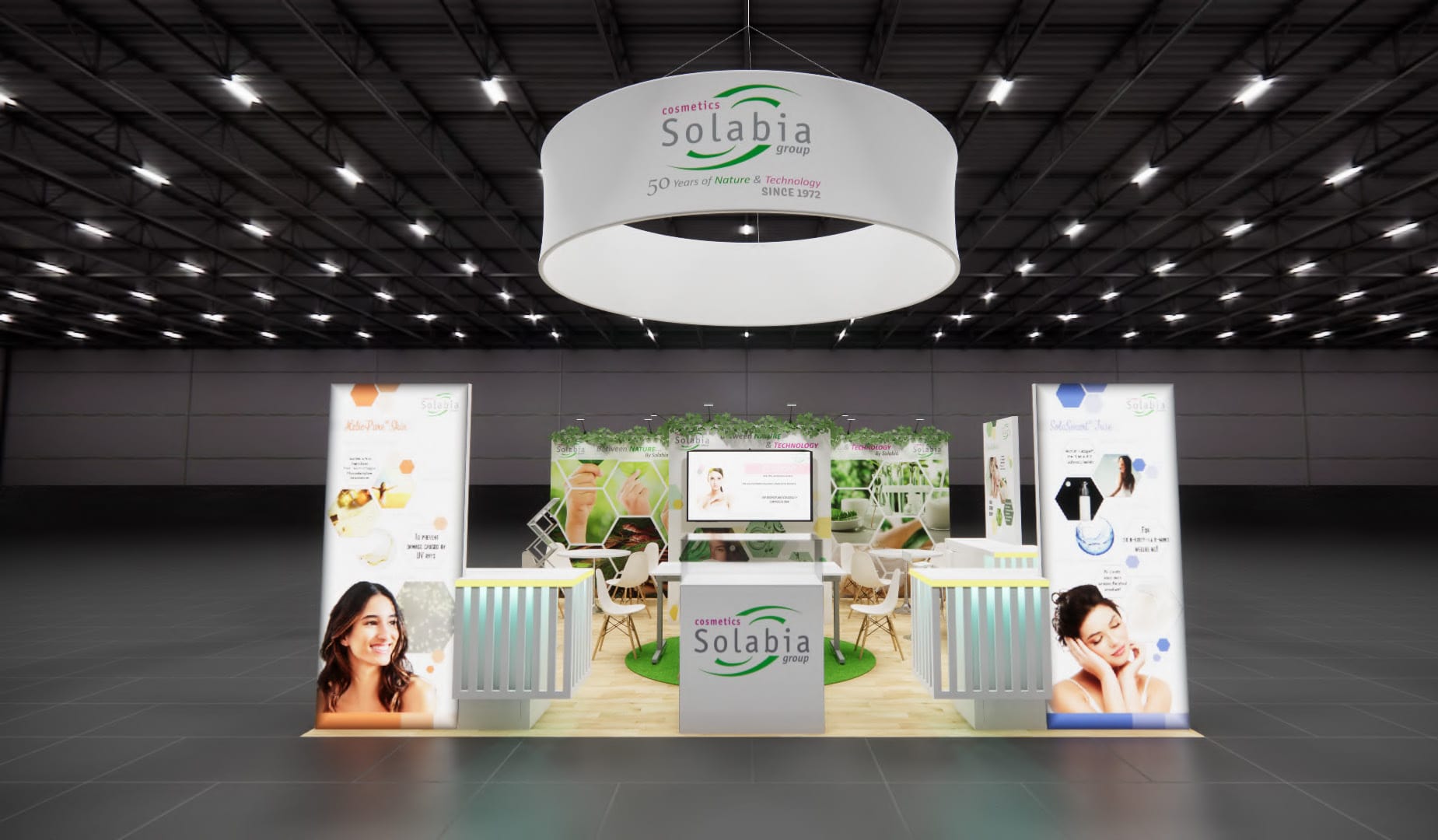
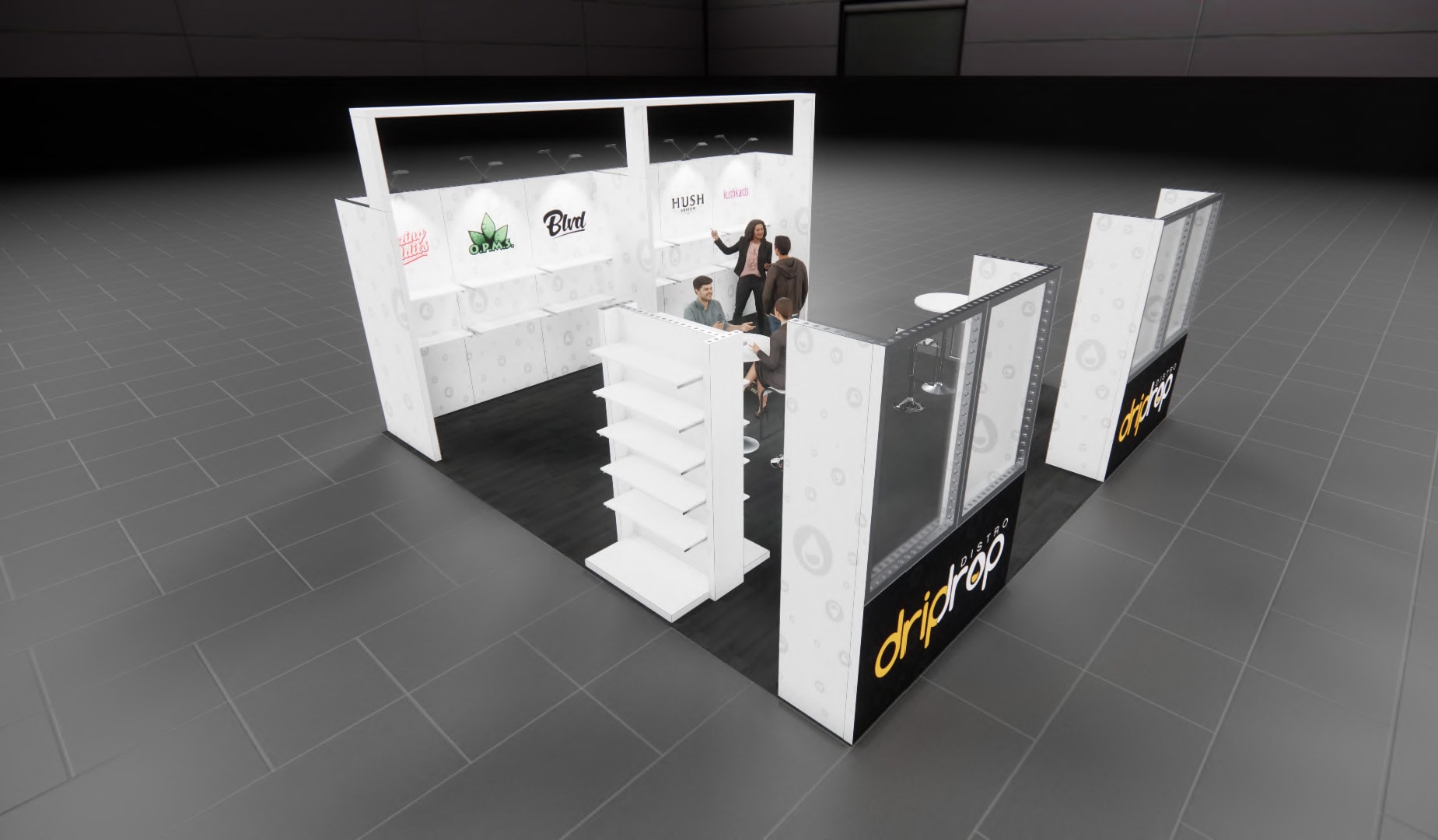
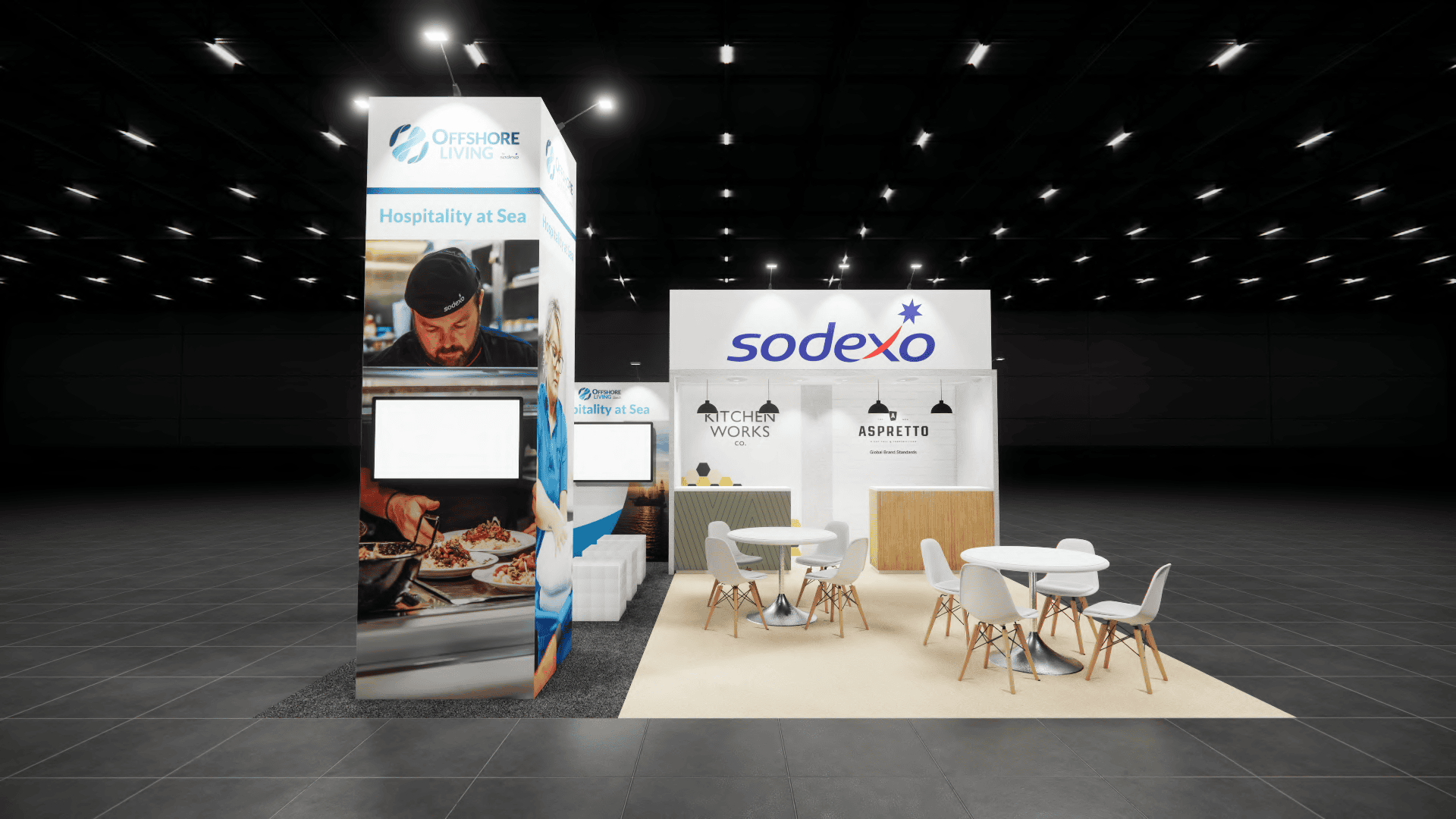
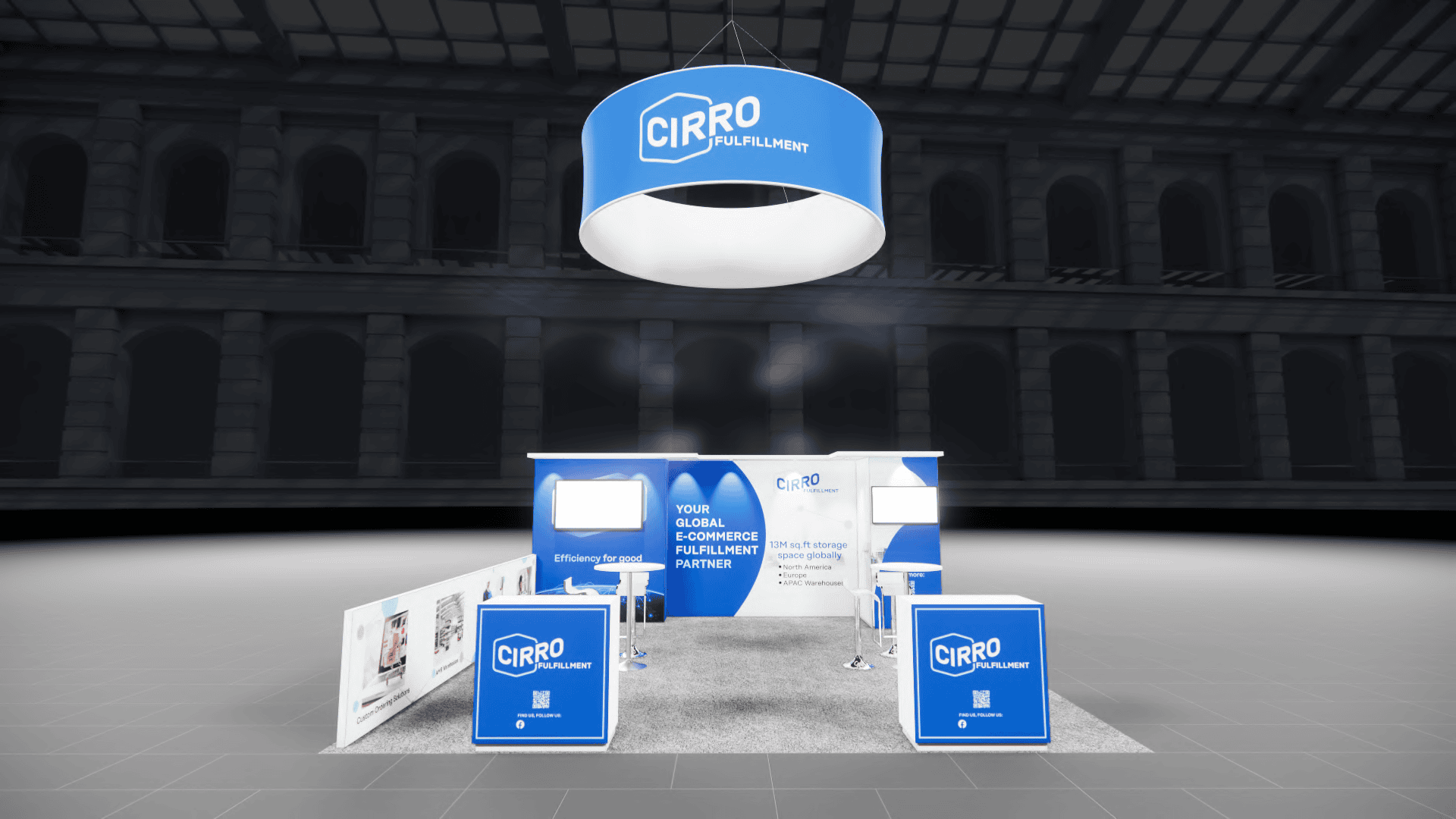
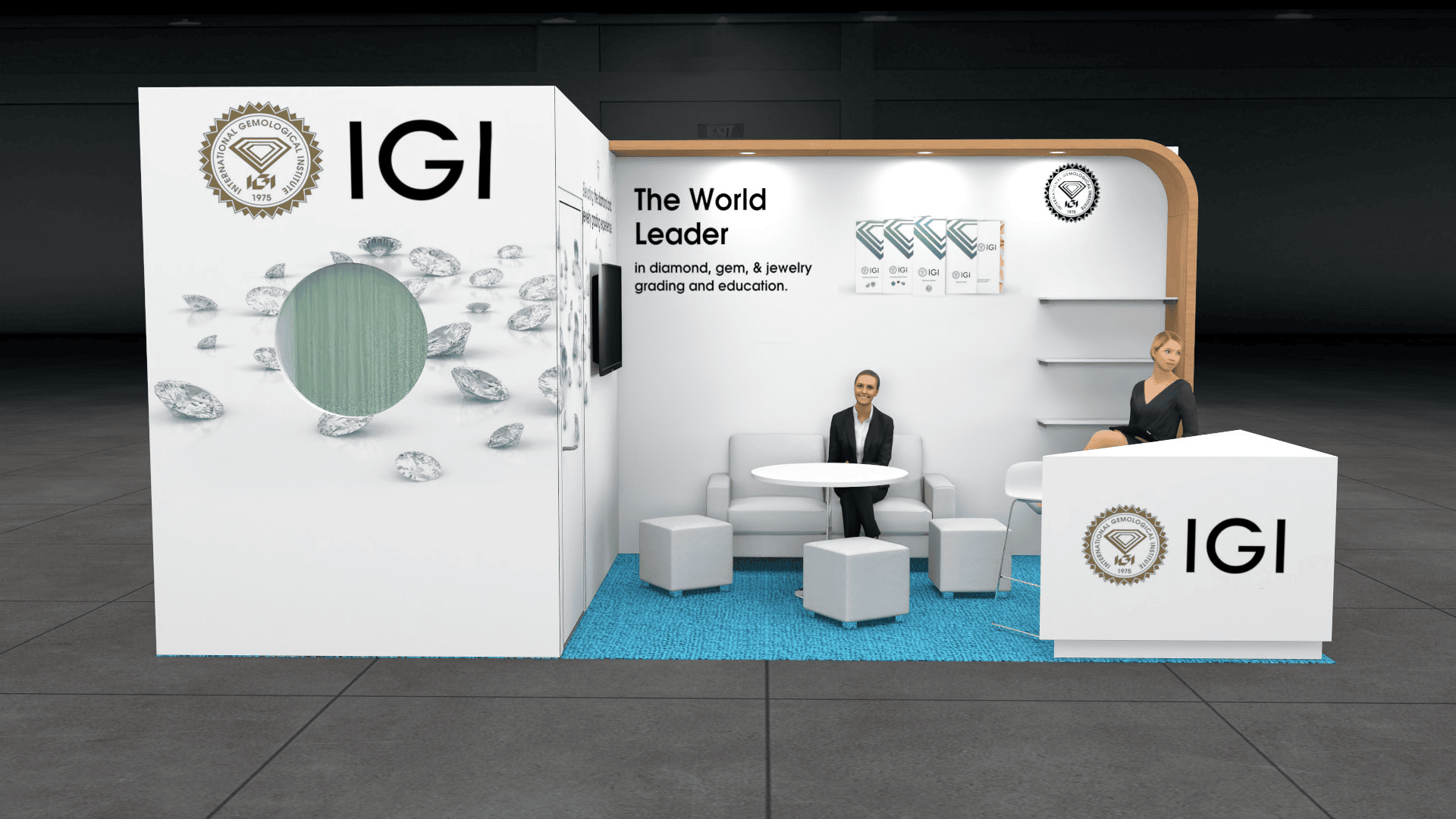
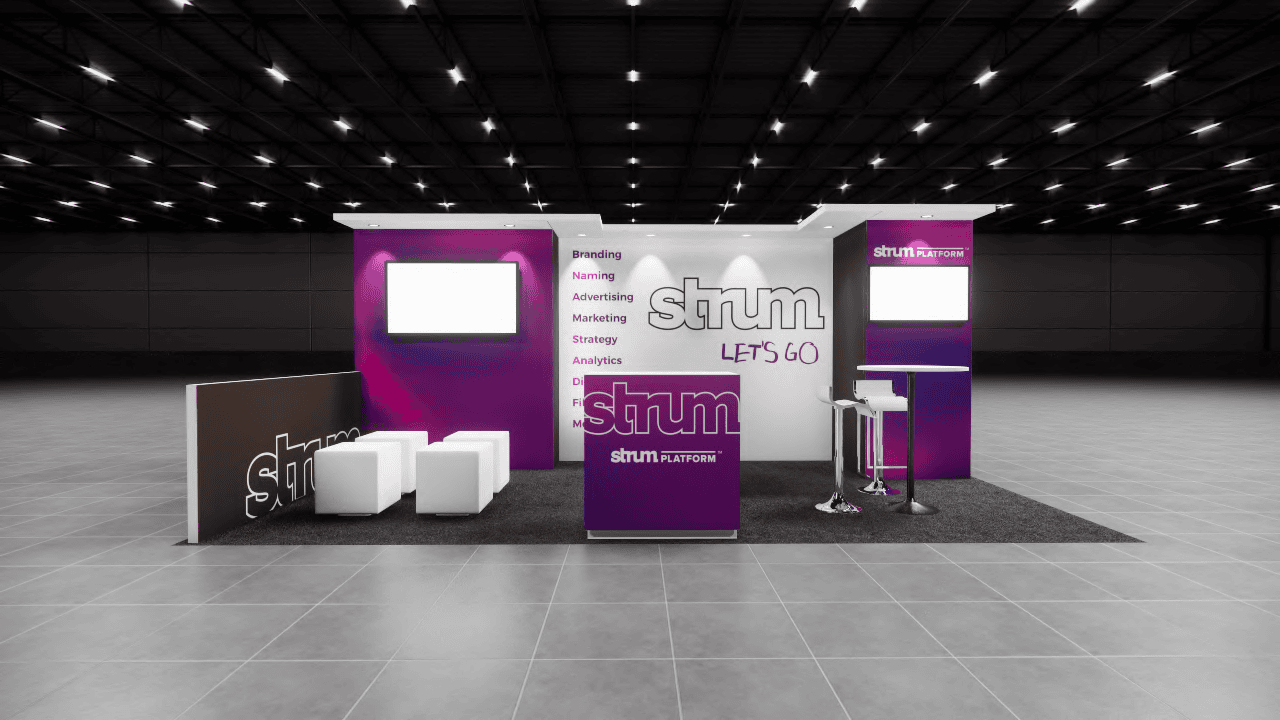
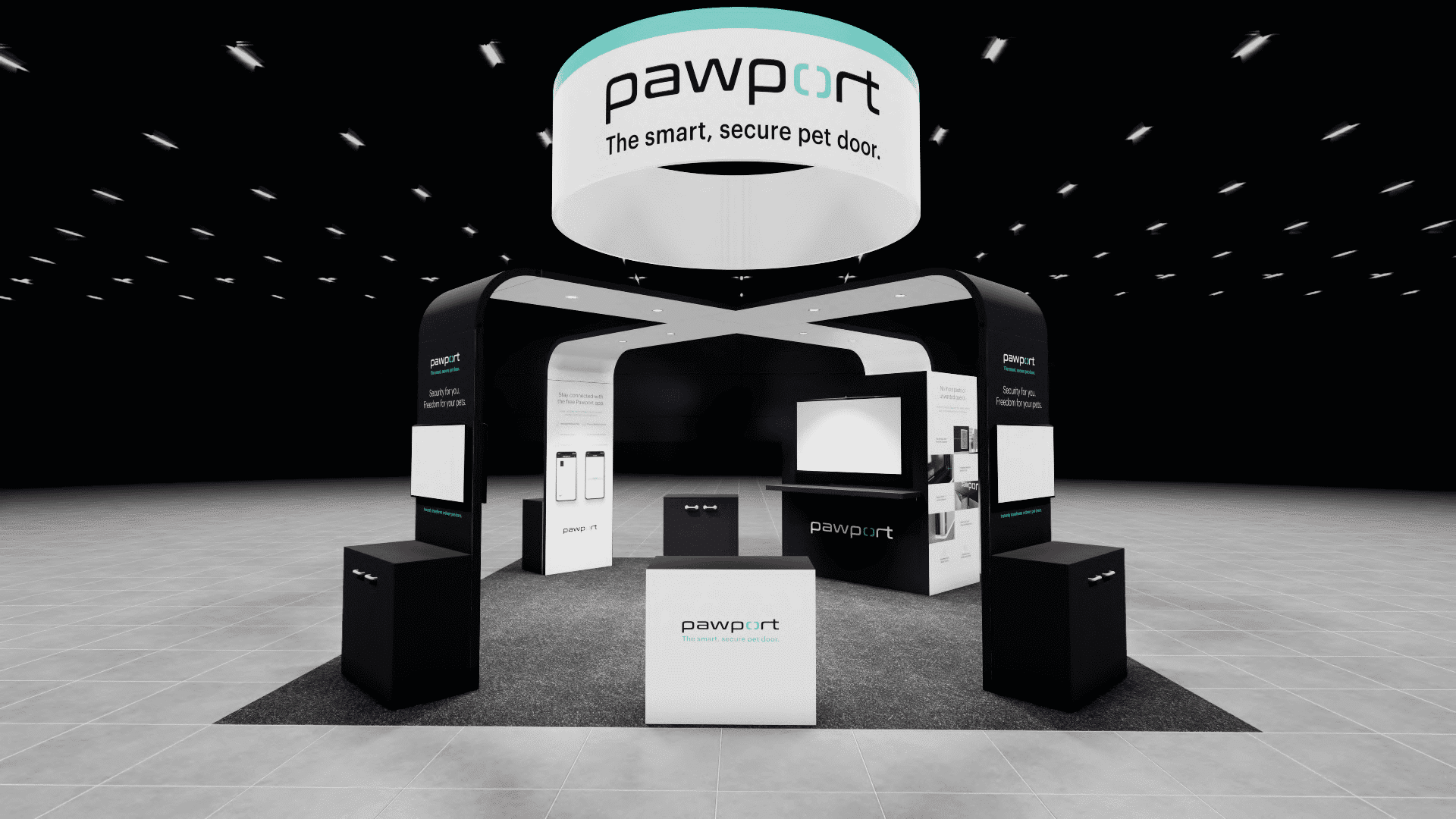
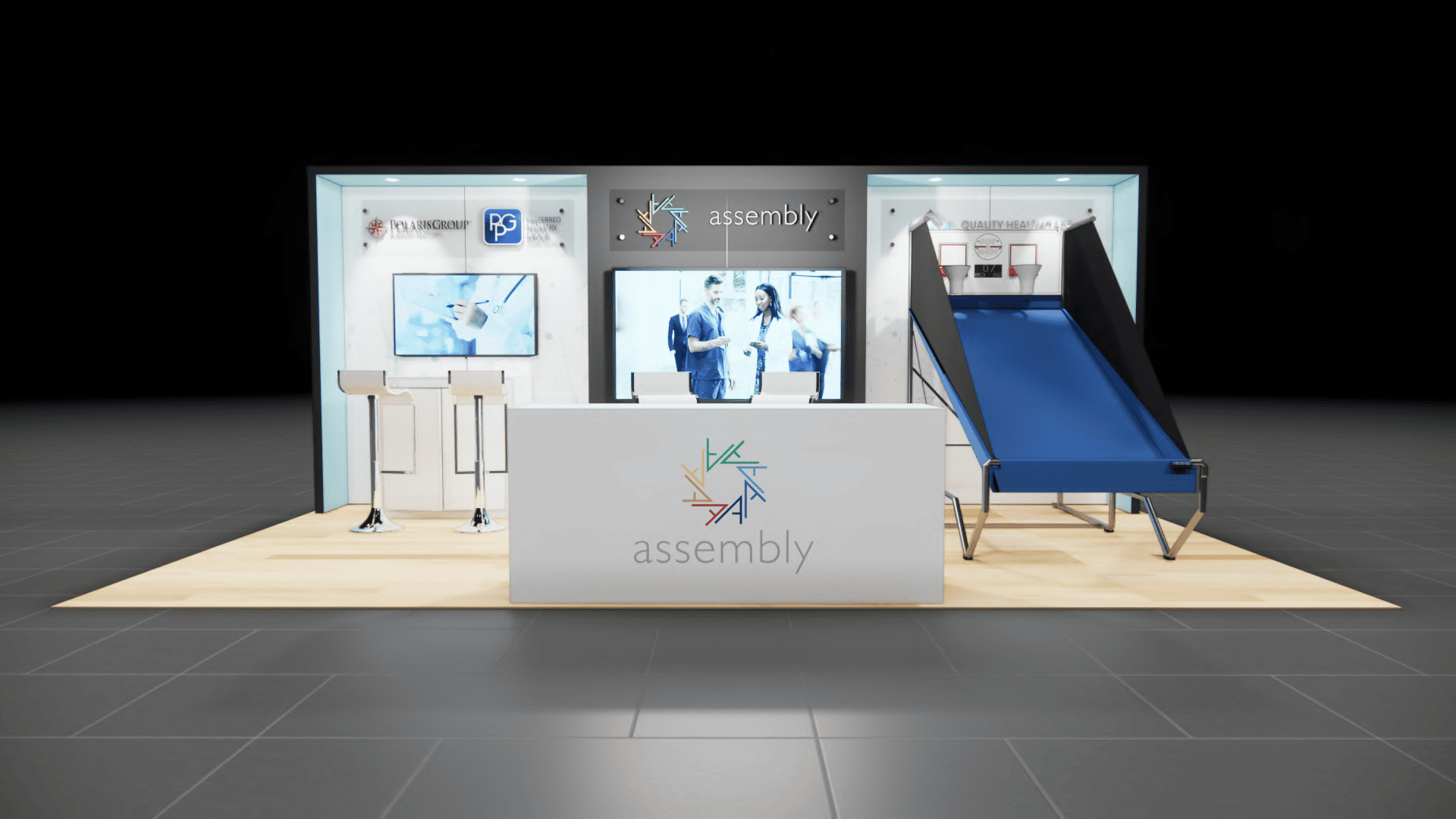
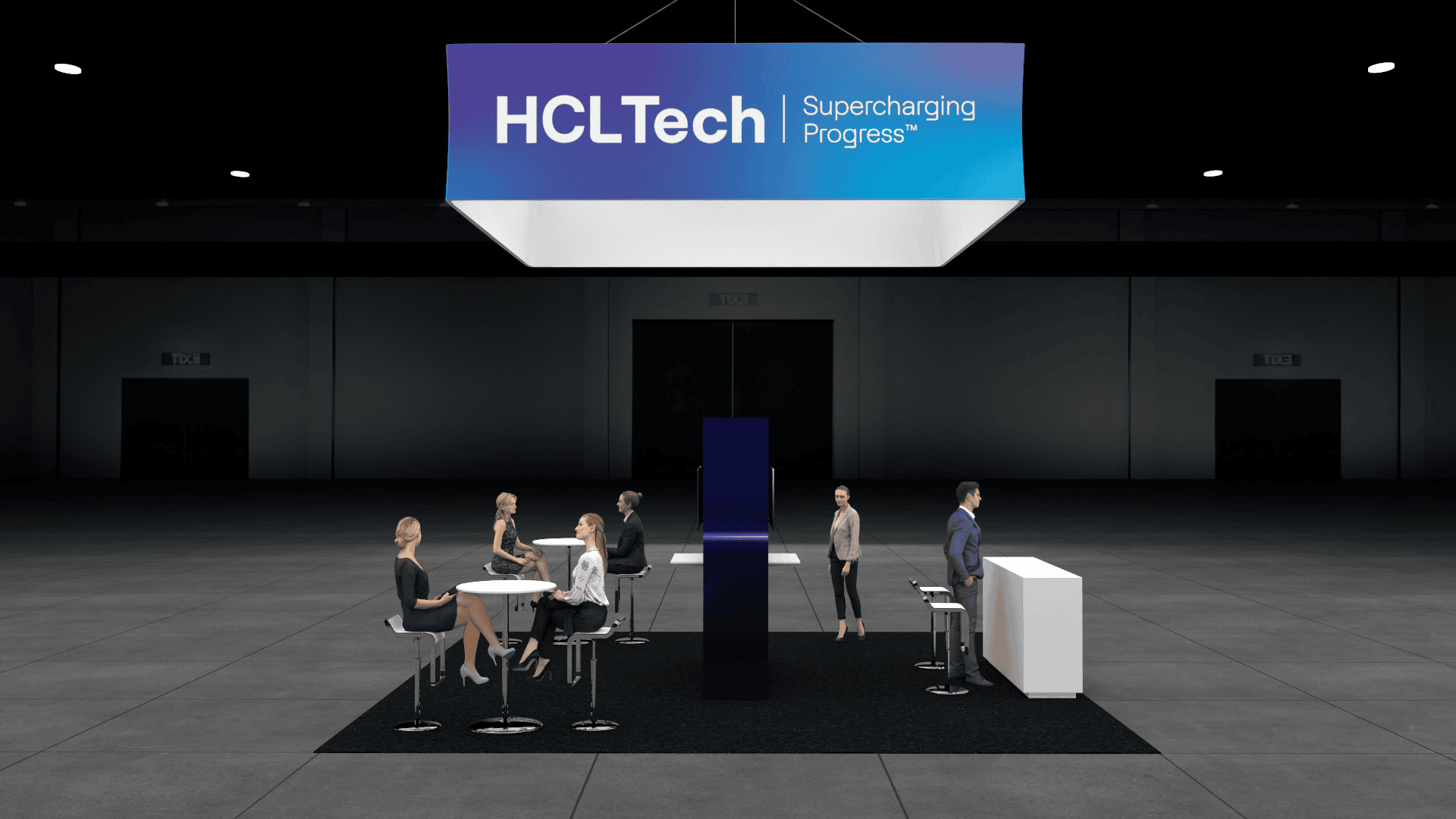
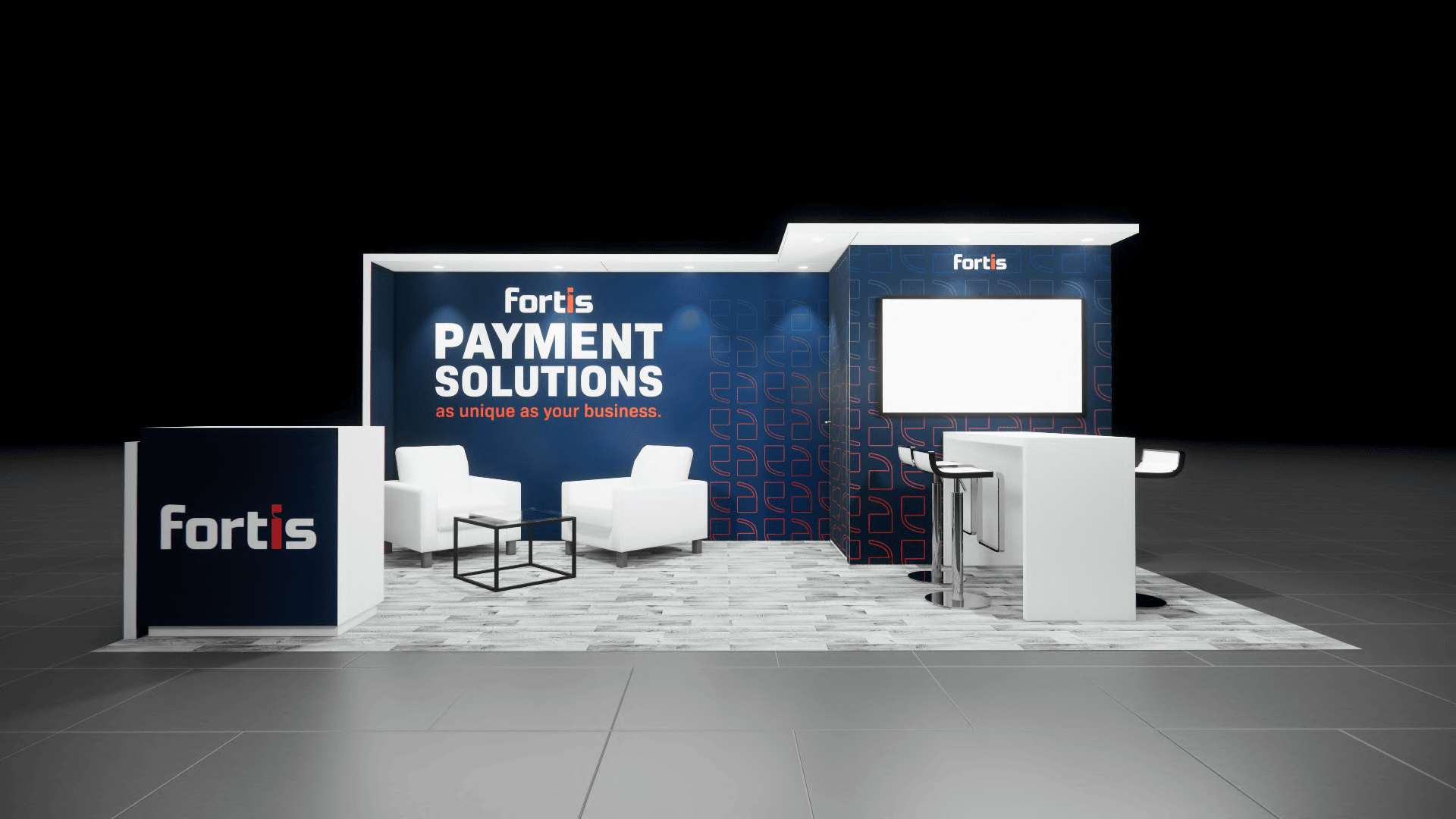
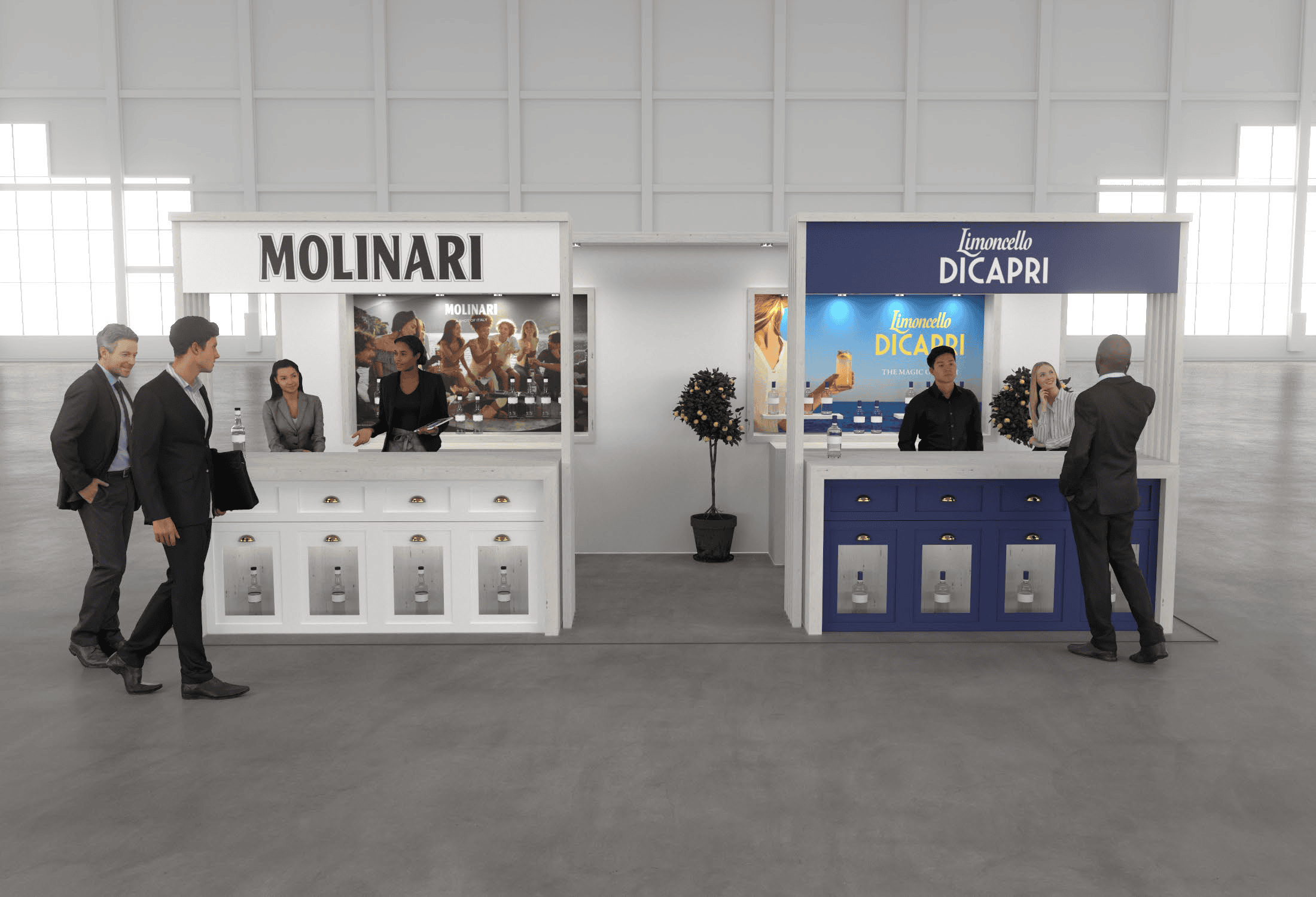
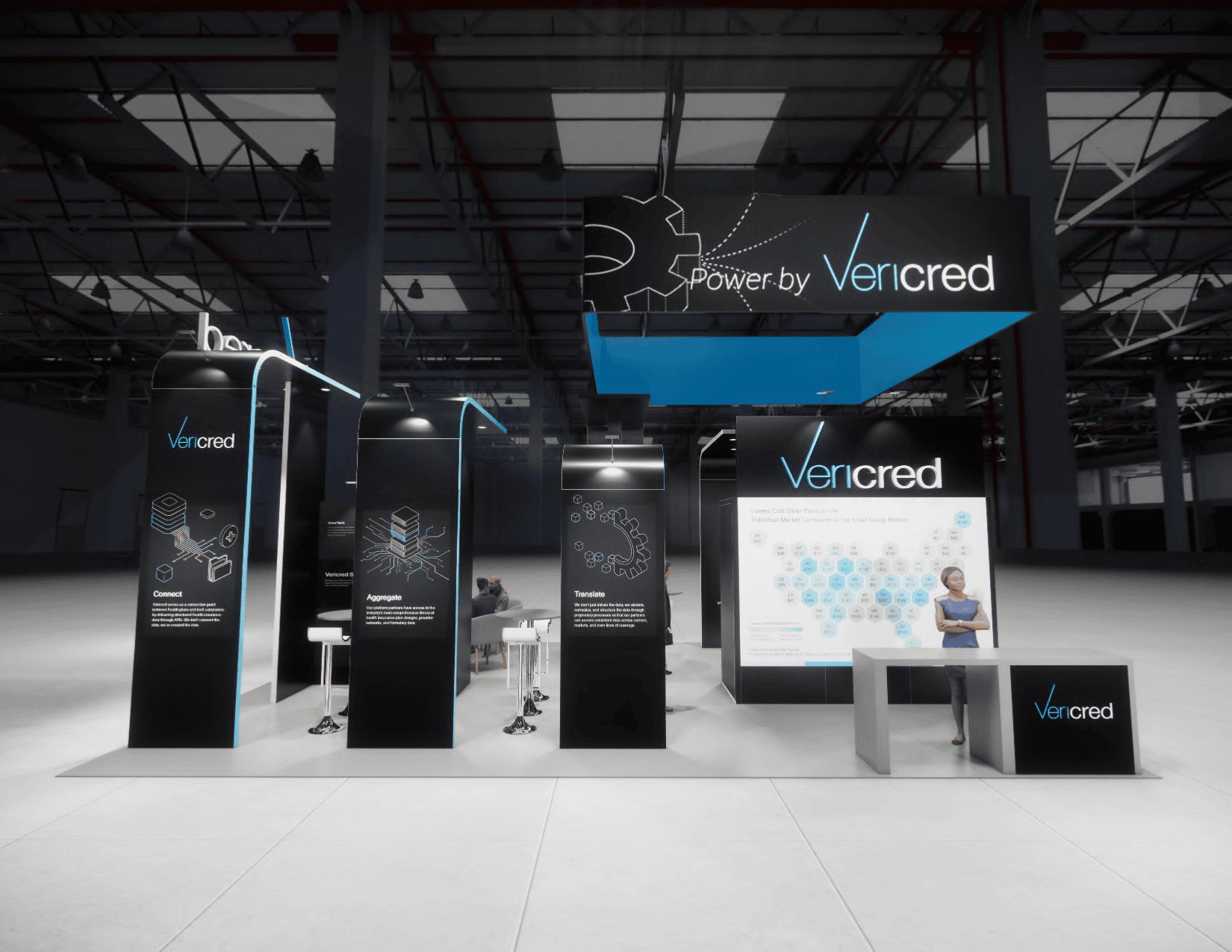
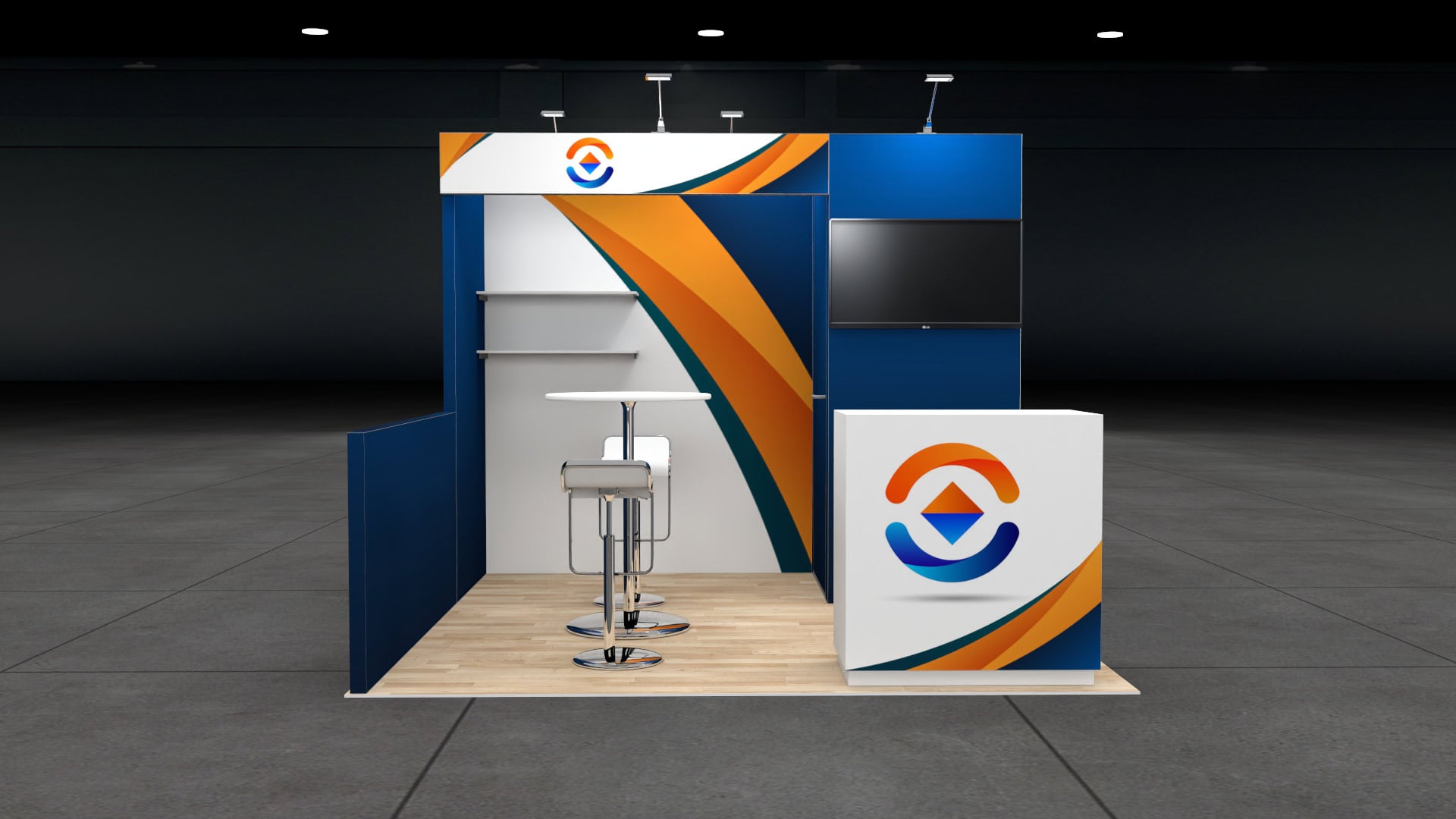
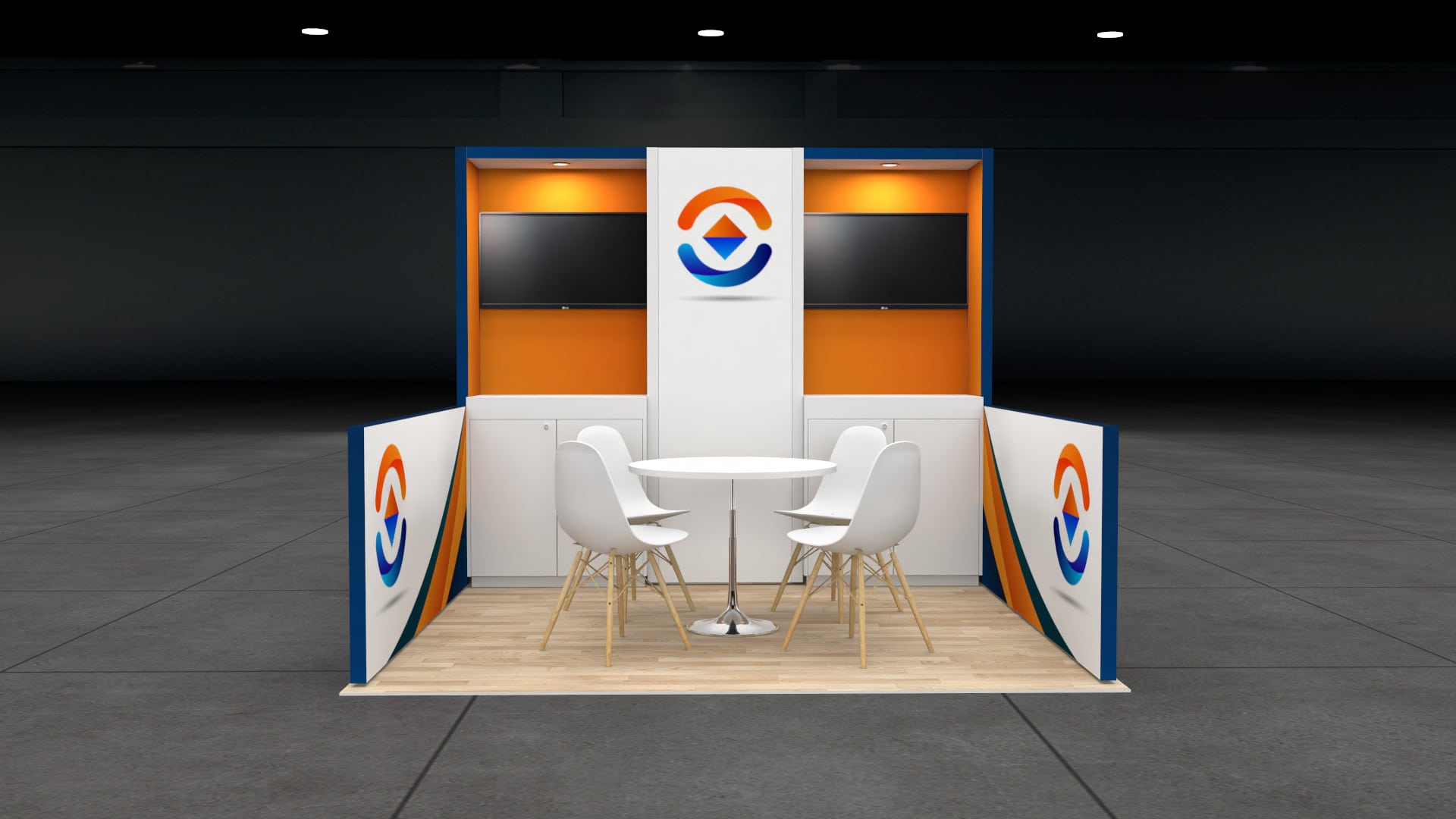
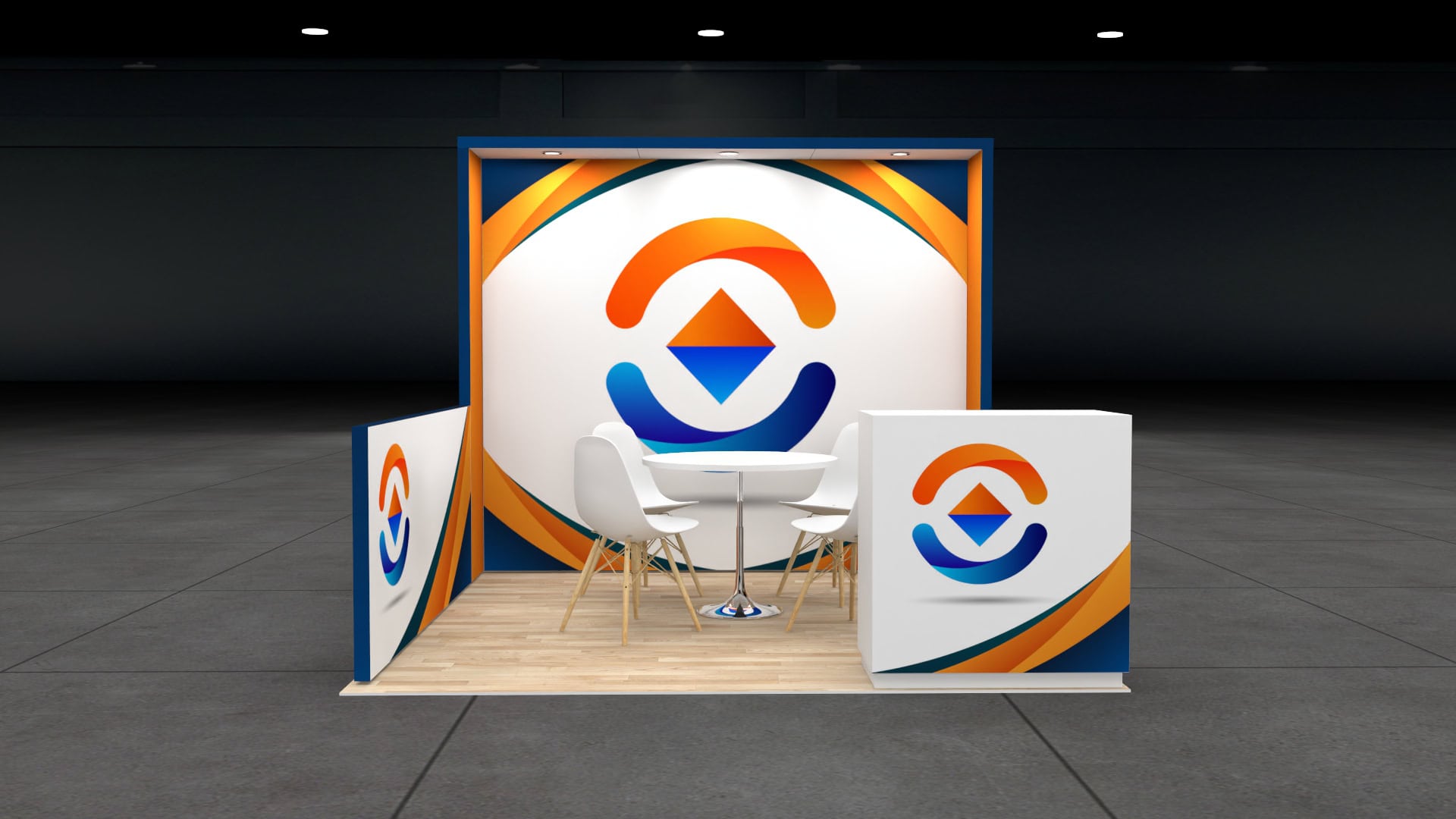
Orlando event programs move quickly: the footprint, brand files, venue rules, install window, and show date all have to line up. Factory of Graphics gives teams one place to compare active exhibit configurations while planning the graphics, structural scope, and handoff needed for an Orlando event. The catalog is a starting point—not a generic gallery. Each card links to a current configuration, available media, factual catalog fields, and a tailored quote path.
For local planning, the team can coordinate around the Orange County Convention Center, Gaylord Palms, and Rosen Shingle Creek. If the event is associated with an IAAPA Expo, PMA Fresh Summit, or InfoComm planning cycle, use the relevant guide to organize the project conversation without implying affiliation with any event organizer.
Compare the footprint before you finalize the scope
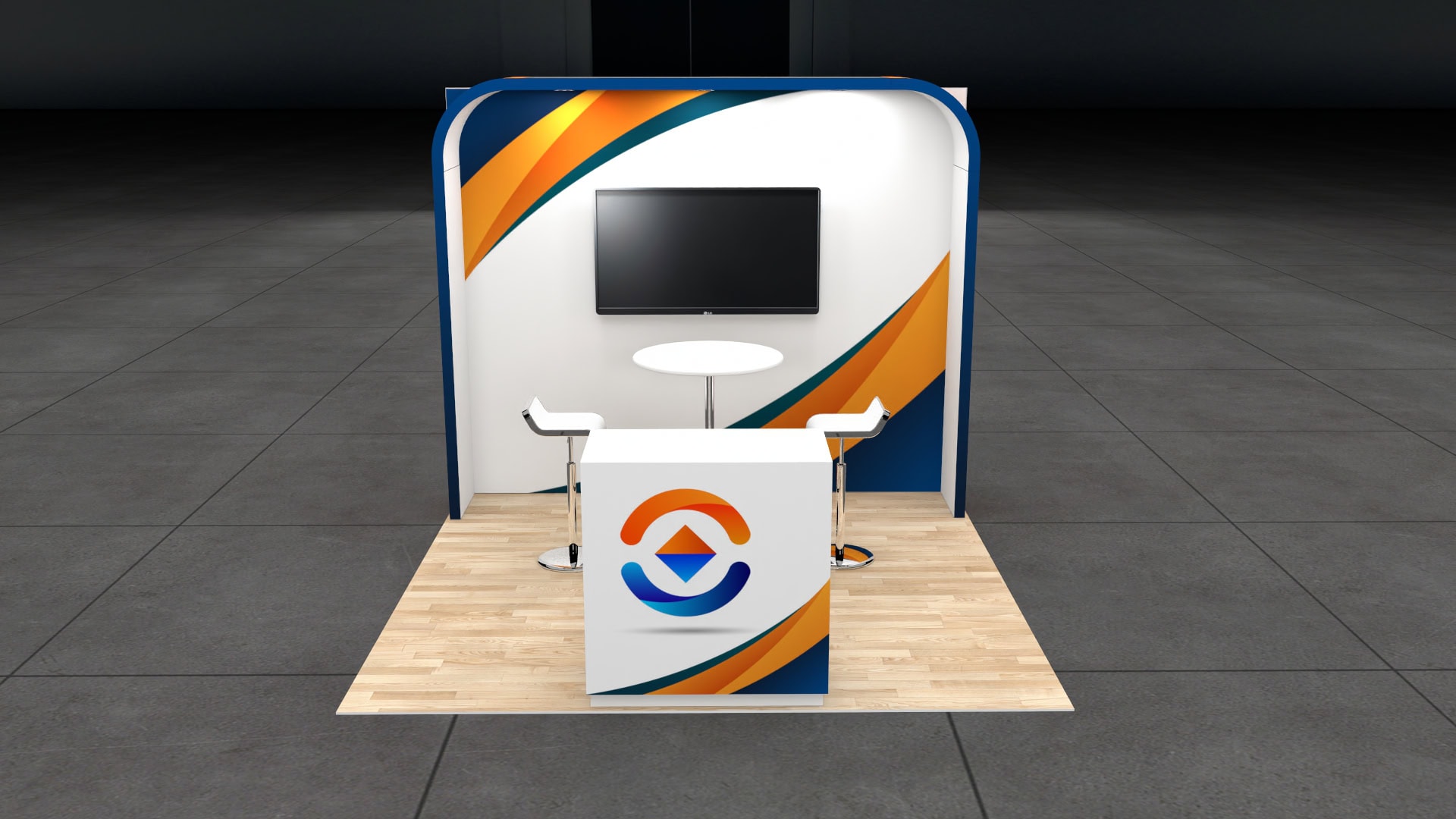
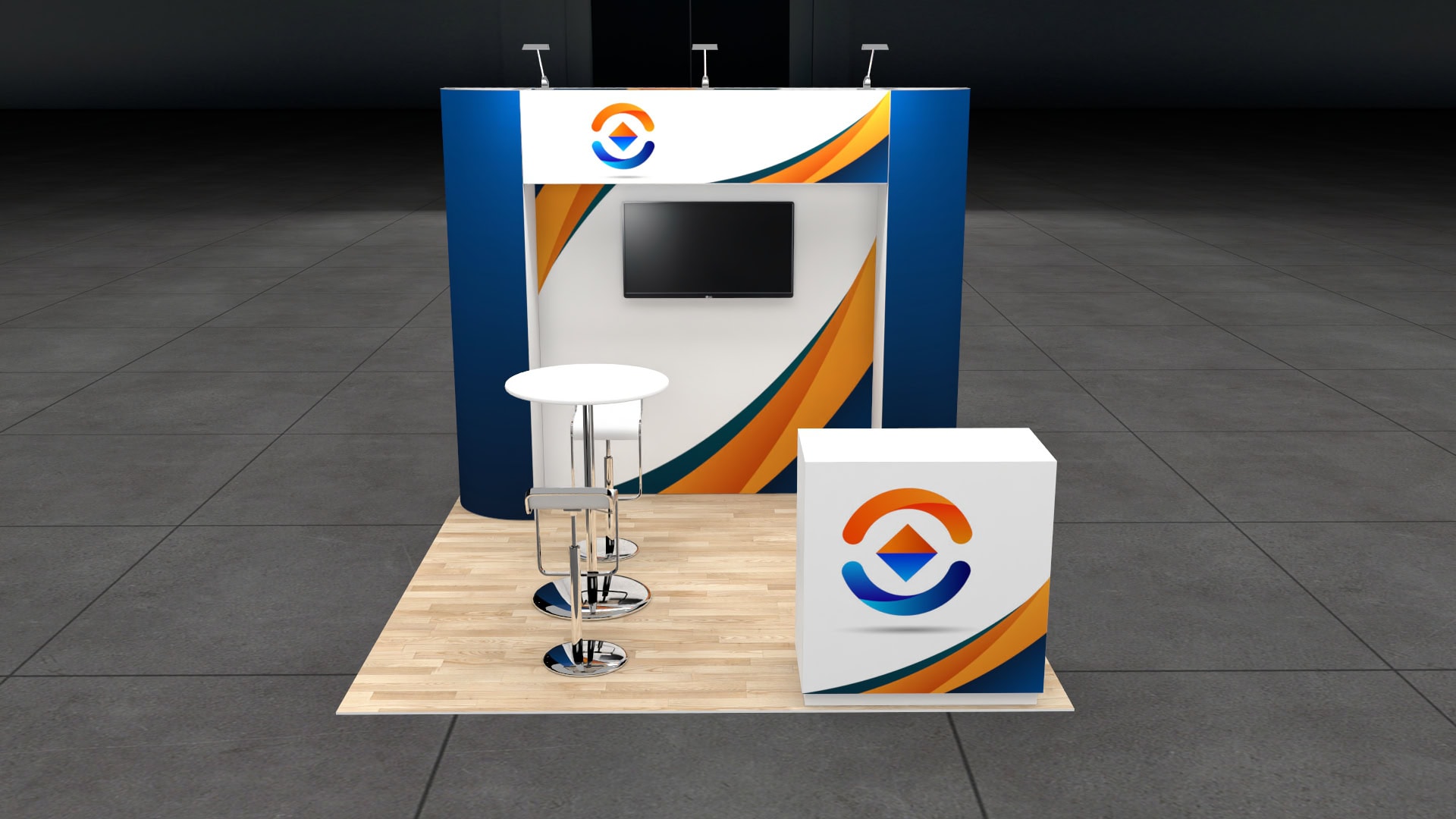
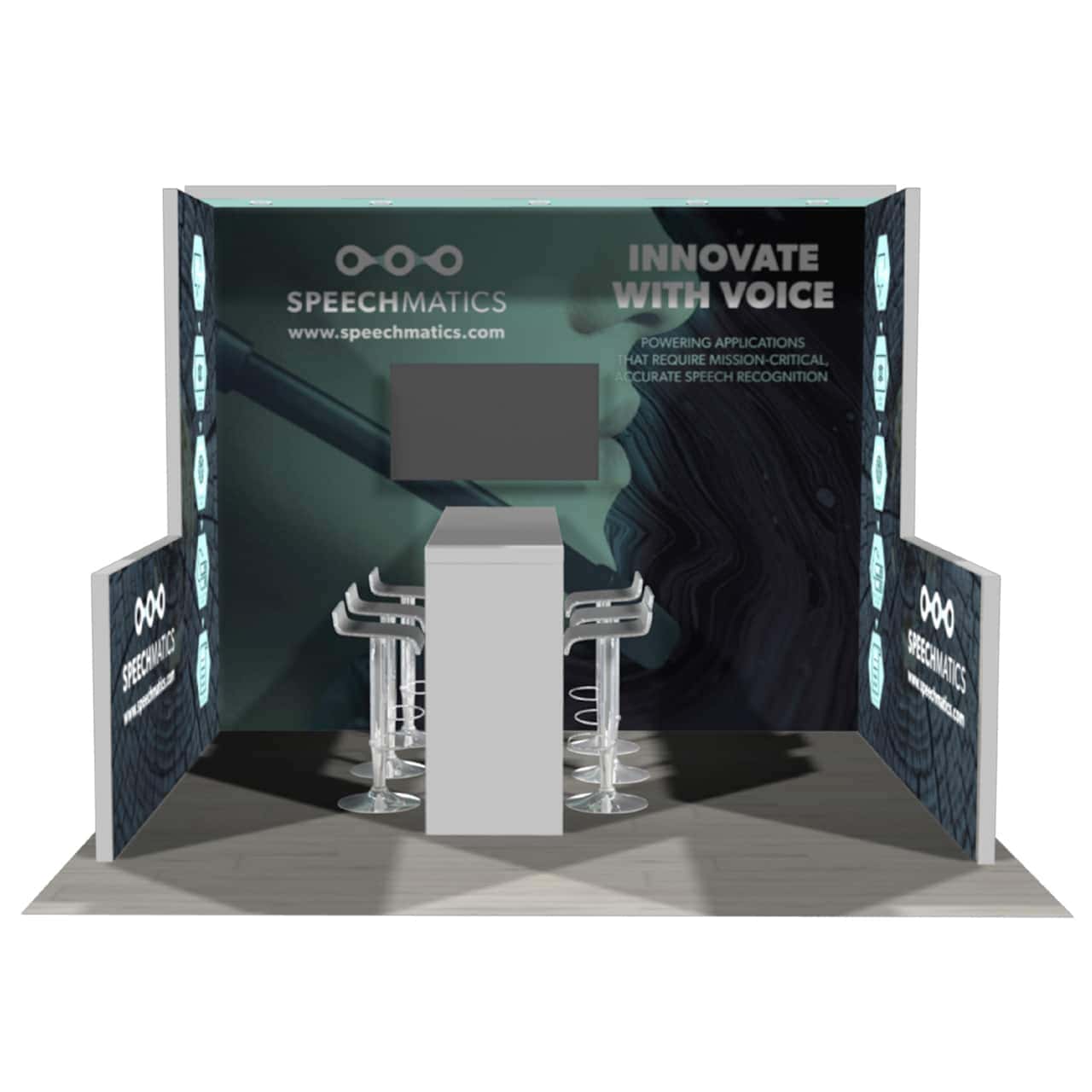
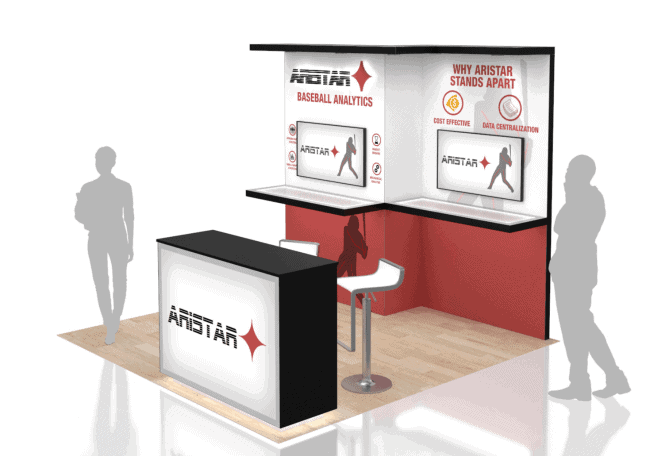
Start with the exhibit space on the floor plan. Smaller inline configurations can support compact launches and focused messaging. Larger islands introduce traffic flow, meeting areas, storage, and visual hierarchy decisions. The size controls below keep the comparison grounded in live catalog availability, while the 10 × 10 and 20 × 20 island paths provide fast entry points for common Orlando footprints.
Use the footprint as the first decision, not the final decision. A floor plan also needs room for entry and exit paths, product demonstrations, conversations, lead capture, storage, and the viewing distance required for key brand messages. A configuration that looks compelling in isolation may not fit the actual traffic pattern or event objectives. Bring the floor plan and booth number into the discussion so the team can help distinguish a useful starting direction from a scope that will perform on the show floor.
Choose the right exhibit direction, then tailor the graphics
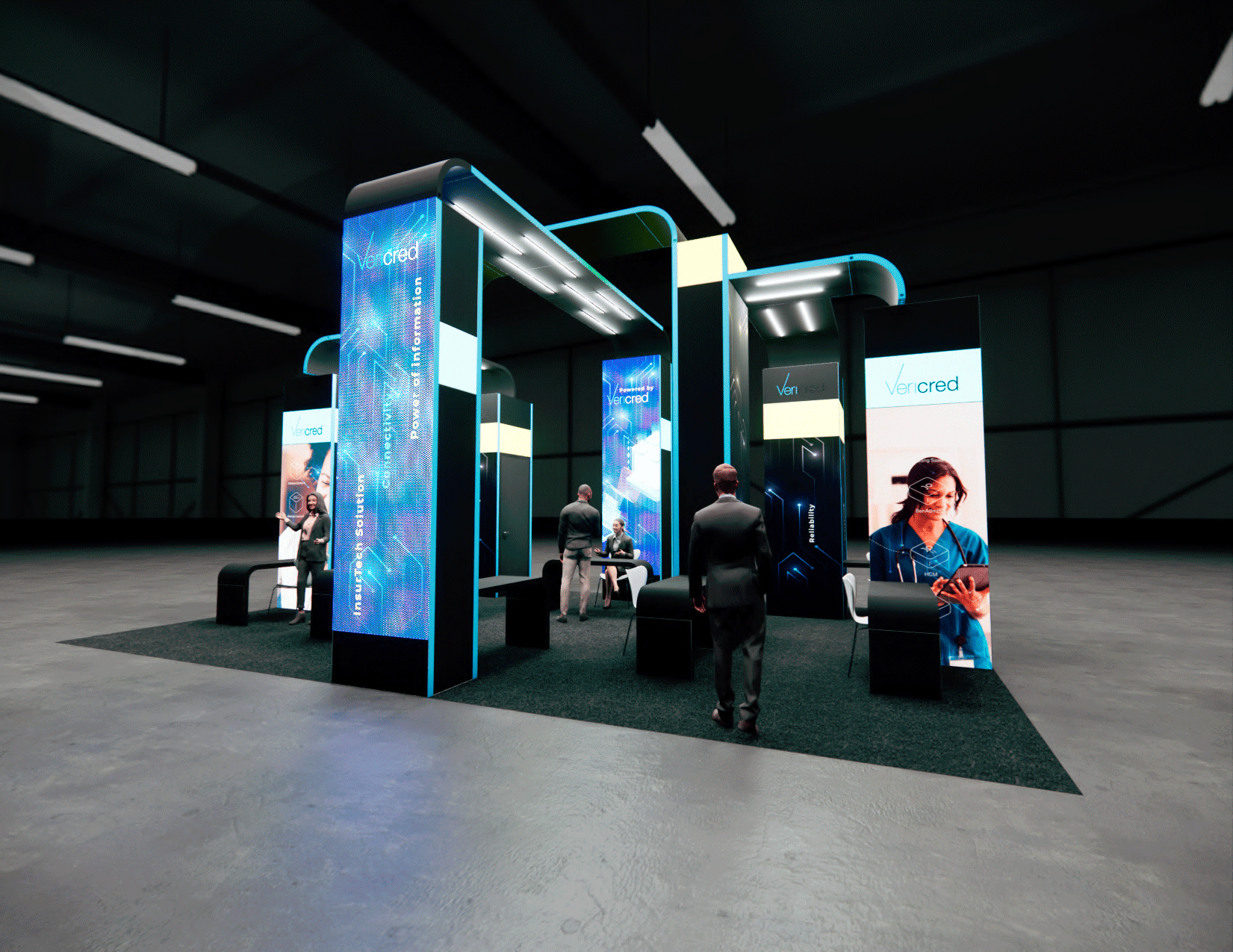
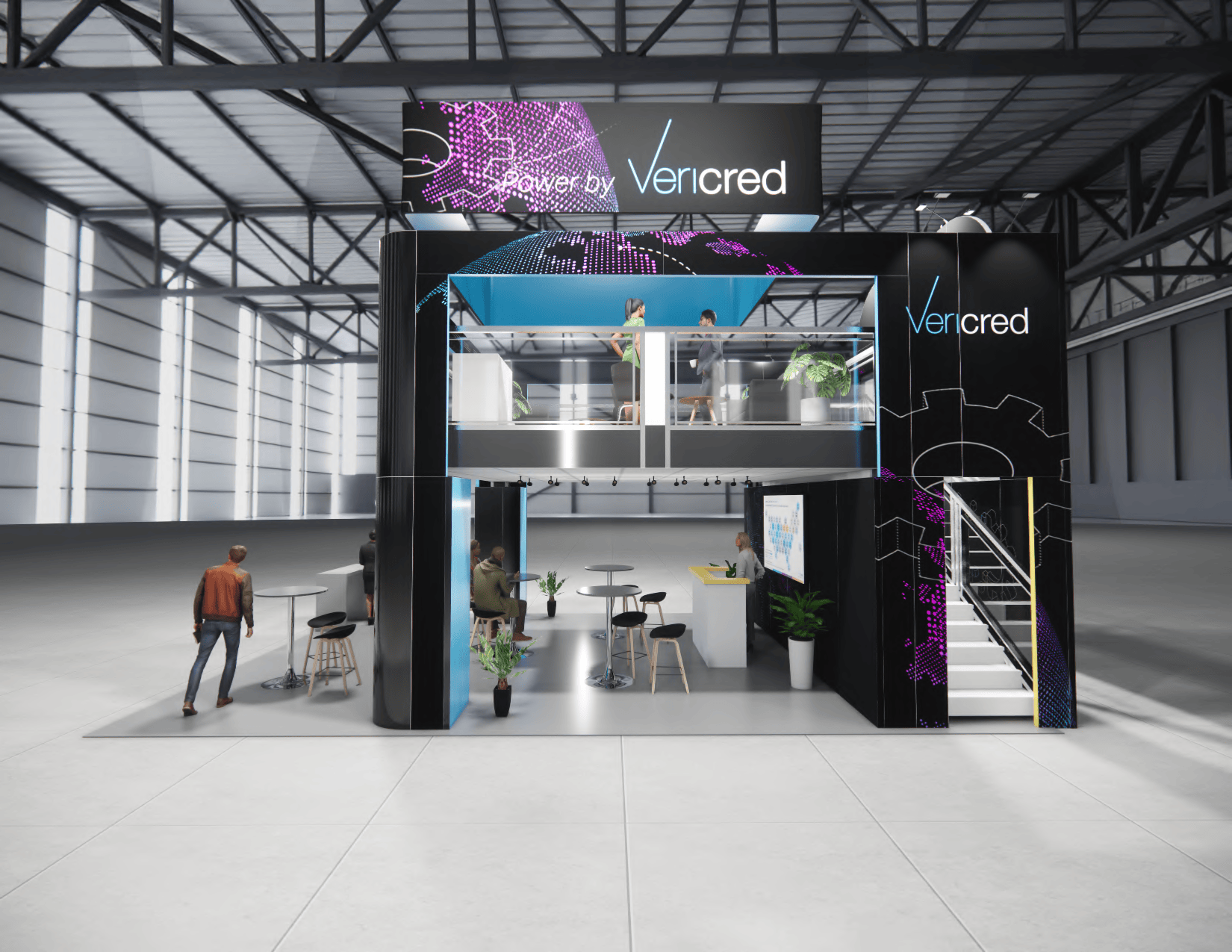
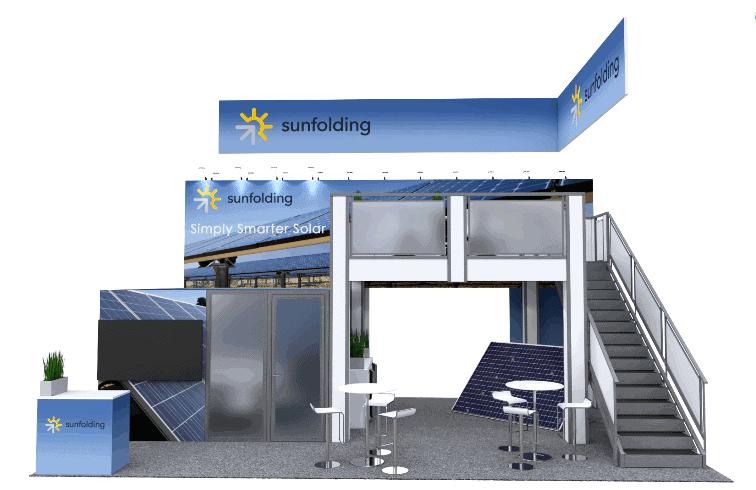
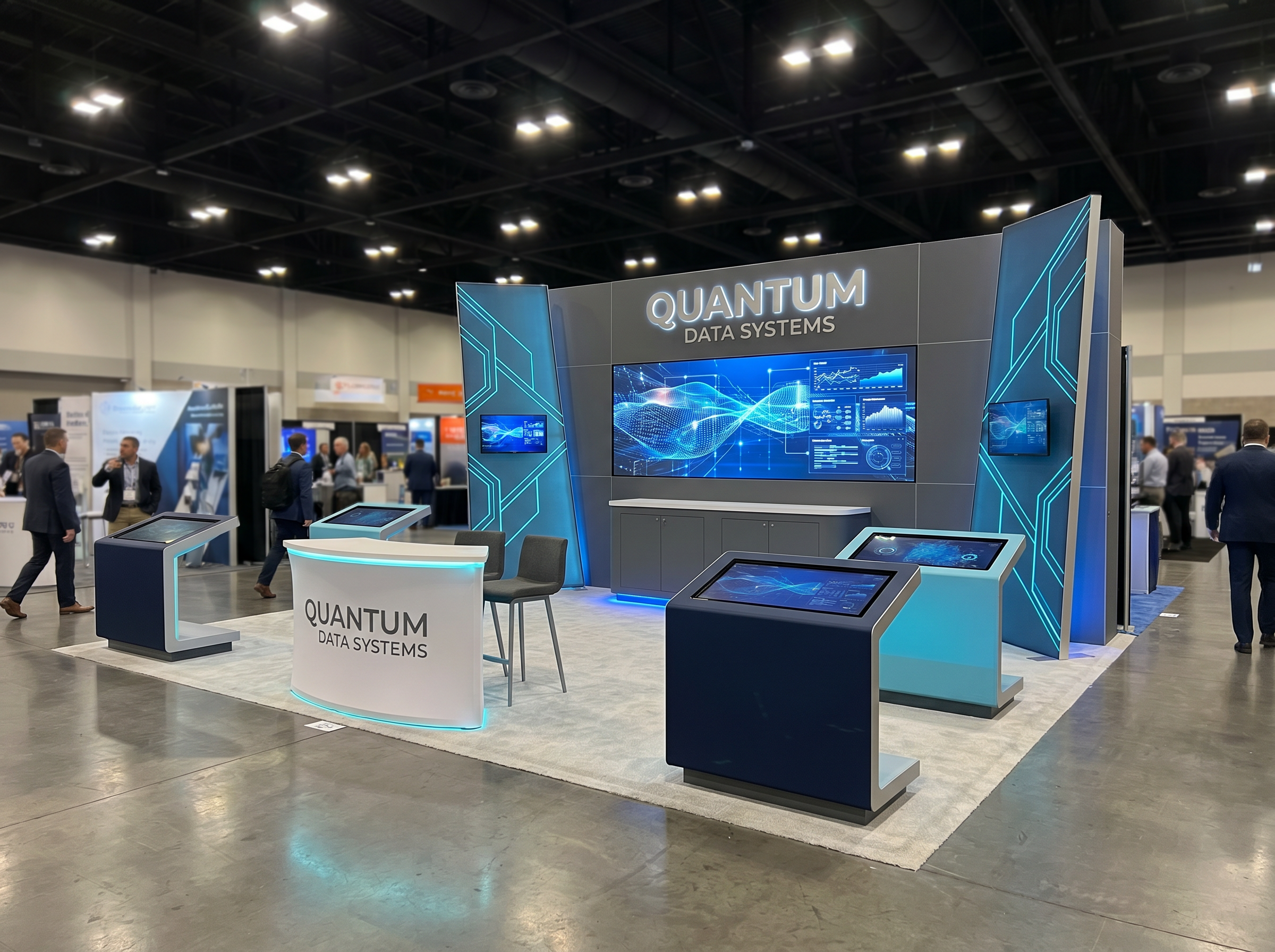
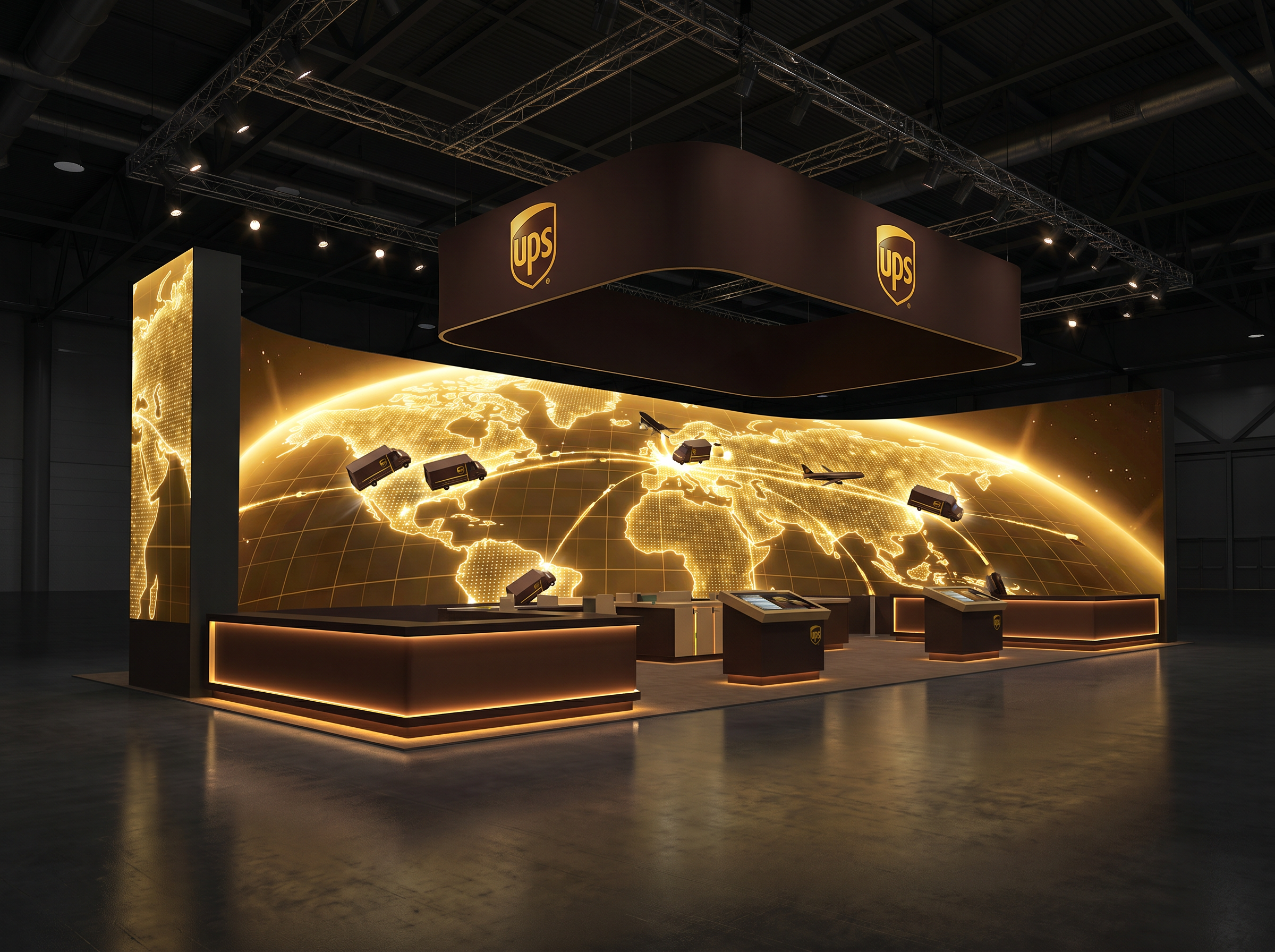
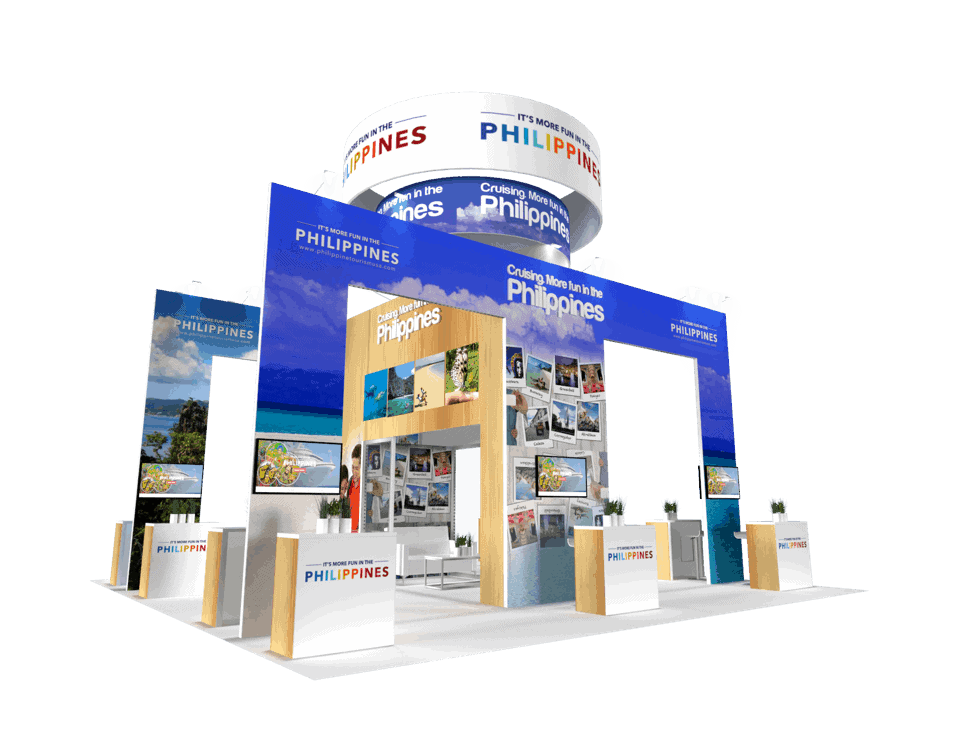
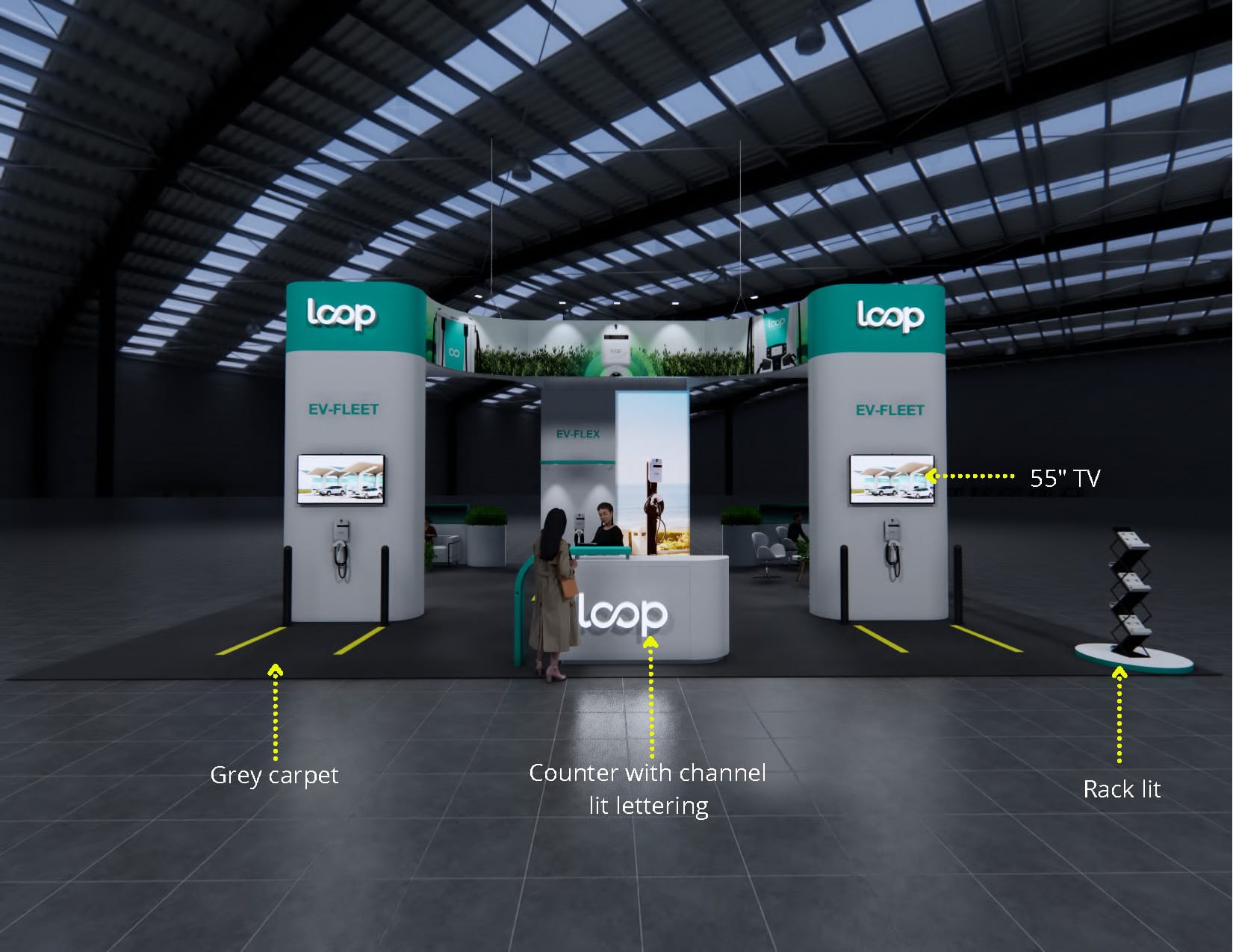
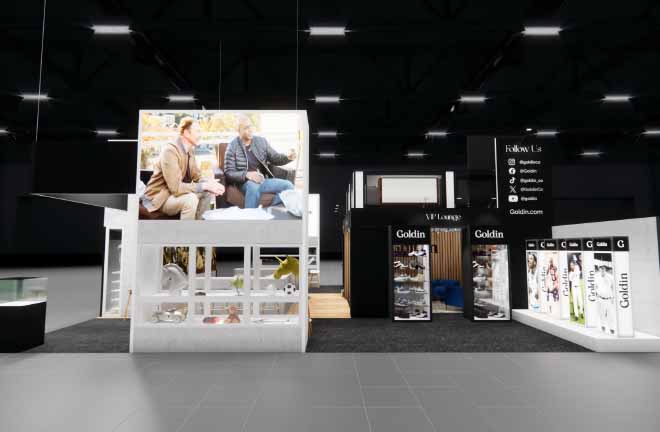
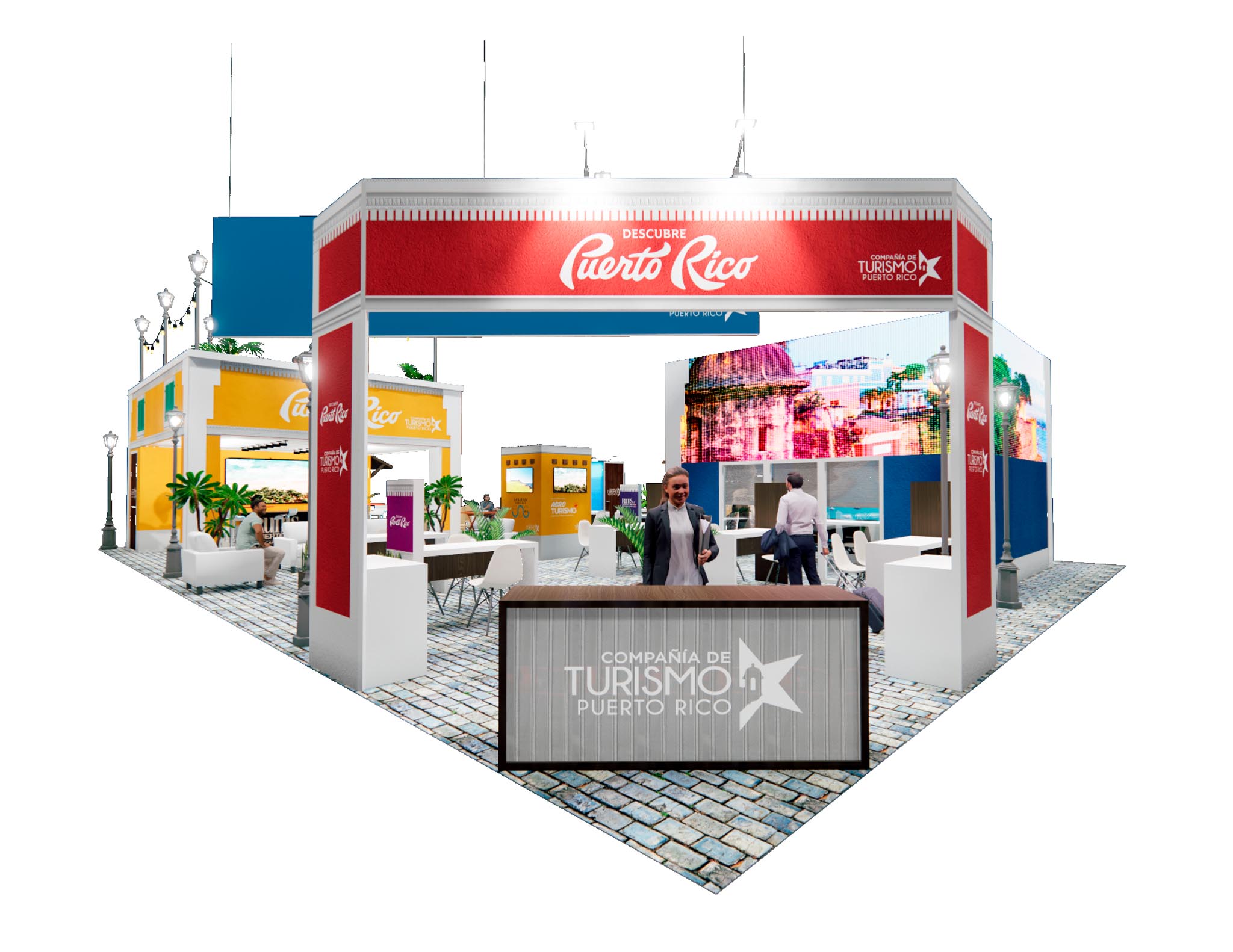
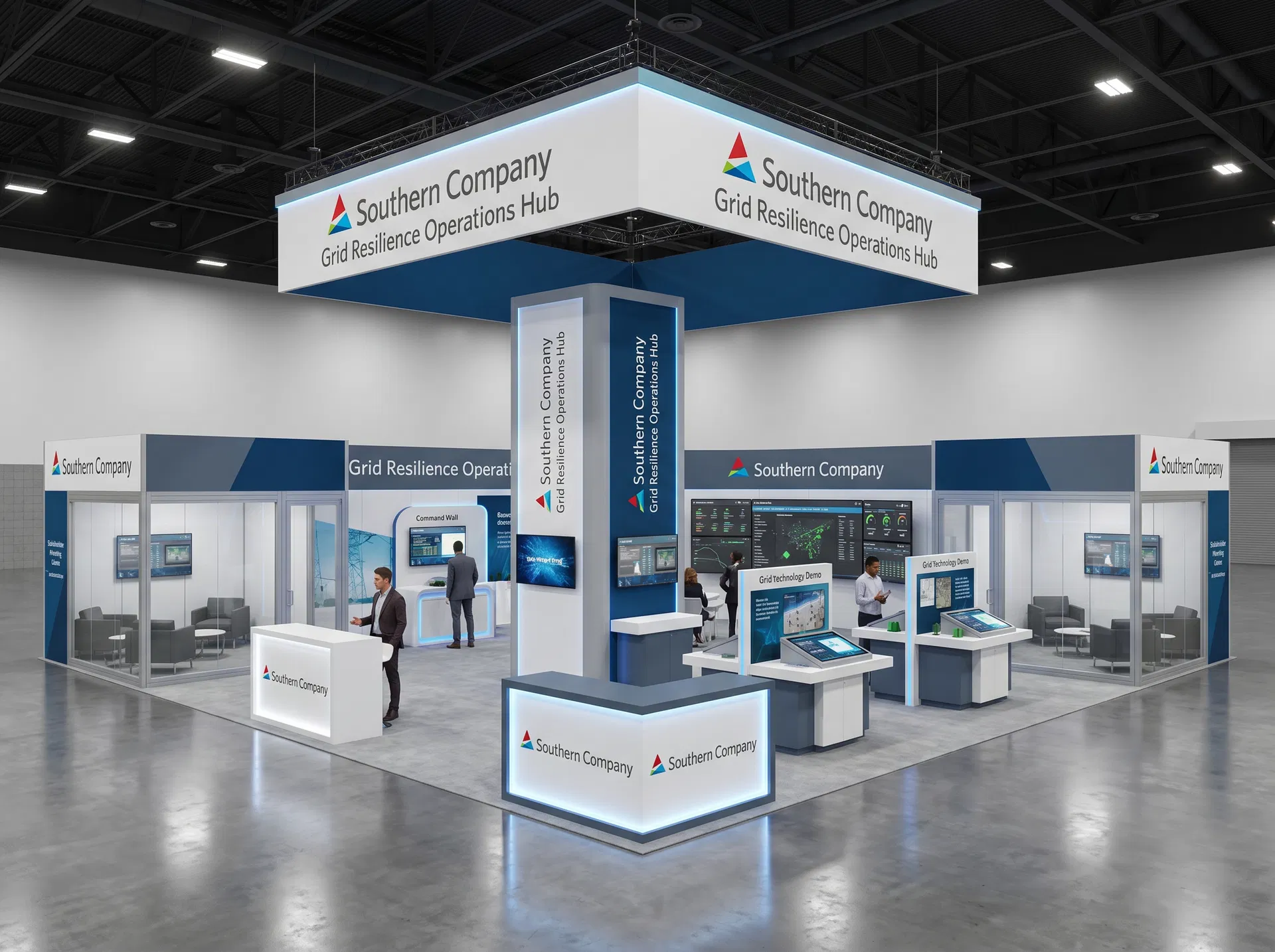
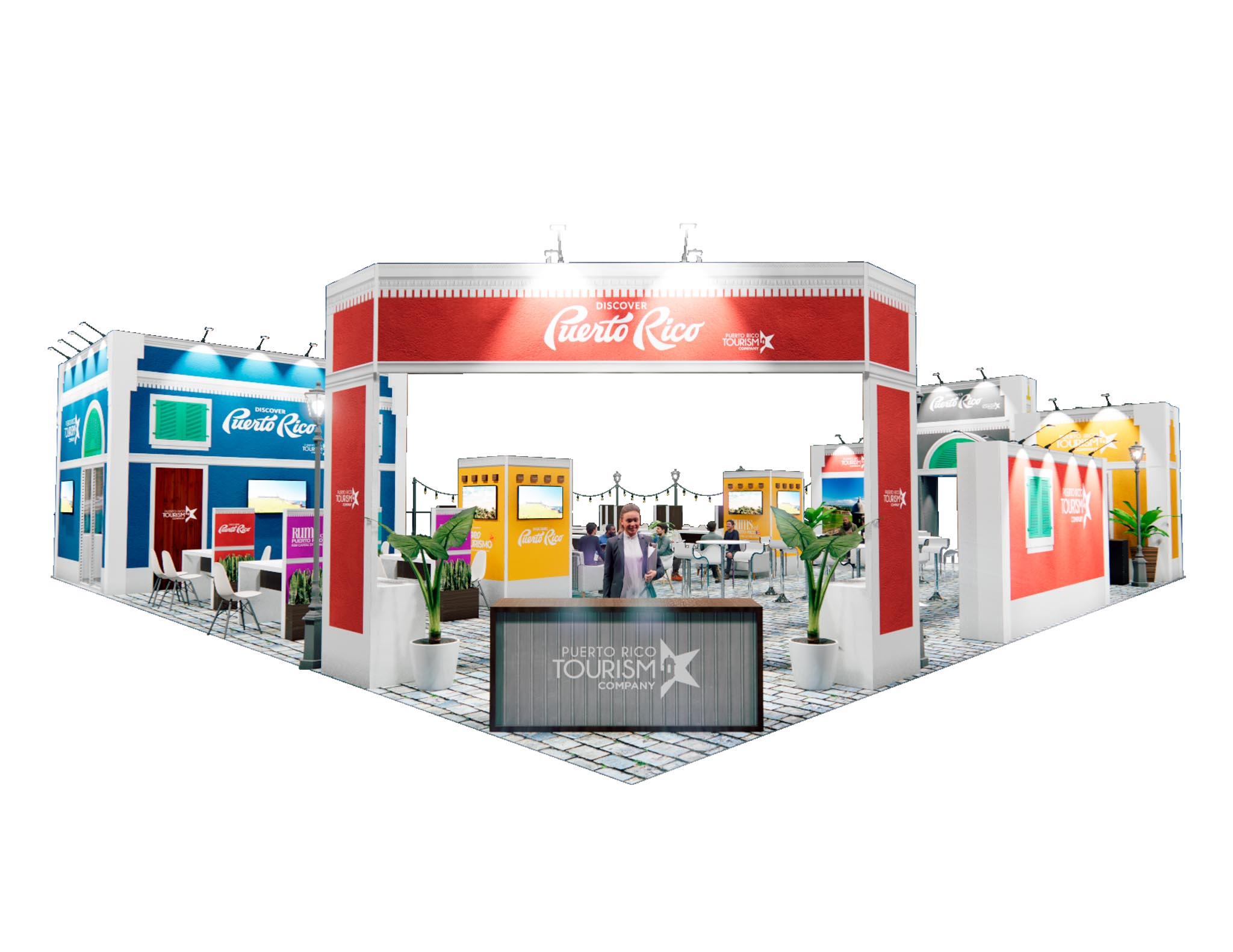
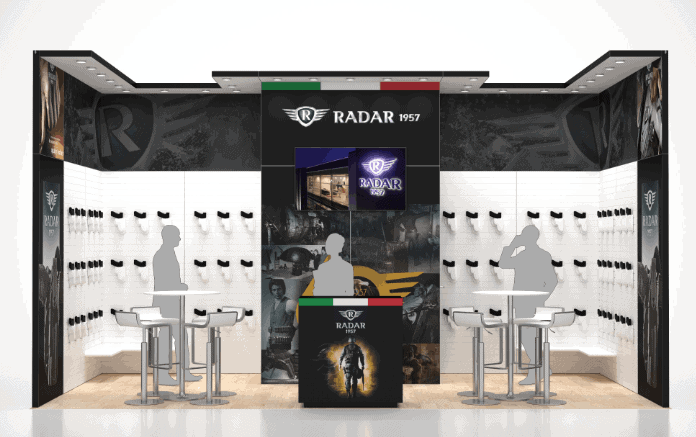
The active collections separate several common planning approaches. LED Exhibits group configurations with digital-display-oriented features. Affordable Exhibits make it easier to compare value-focused options. Double Deck Exhibits help teams begin a conversation about larger, two-level concepts that require a more detailed venue and installation review. Every final scope is project-specific, but the catalog makes the first comparison faster.
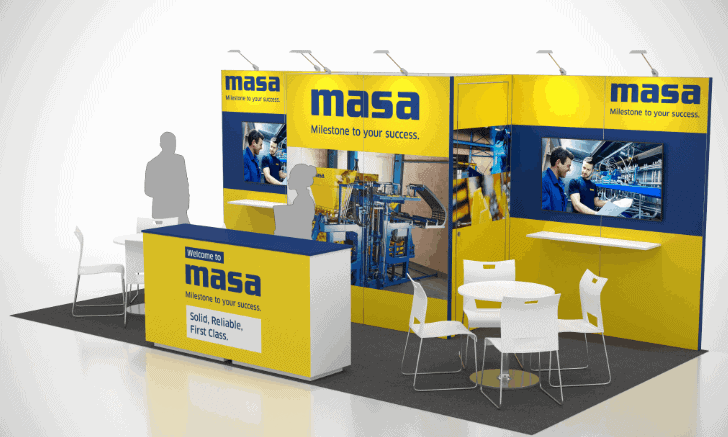
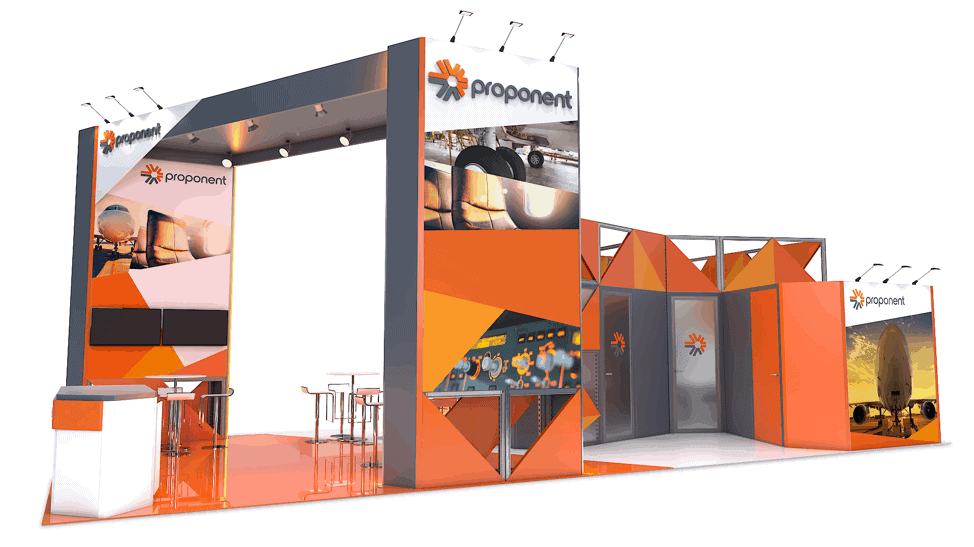
The page keeps its live filters because Orlando projects are rarely selected by one phrase alone. A team may need a particular size, a meeting area, an LED-friendly direction, an Affordable option, or simply an exhibit that can carry a new set of graphics. Filter by what matters most, open the individual configuration for current media, and save the names that belong in the quote conversation. The result is a shorter path from broad inspiration to a specific rental, graphics, and logistics brief.
In-house graphics change the handoff
Factory of Graphics prints graphics in-house, allowing the exhibit conversation and graphic-production conversation to stay connected. That matters when a show date, brand update, replacement panel, or revised floor plan changes late in the process. Instead of treating the exhibit and graphics as separate purchasing tracks, bring the booth number, show date, brand files, target footprint, and any special requirements together. The team can then identify the most relevant live configuration and build a quote around the actual project rather than a generic package.
For a local Orlando program, it is useful to decide early which assets are still changing, what must be approved before production, and which deliverables have venue or installation dependencies. Share any brand standards, render references, product dimensions, power or display needs, and special access requirements. That information helps the team describe the work in a way that is useful to marketing, operations, and event stakeholders at the same time.
Move from catalog comparison to a project-ready brief
When you are ready, send the show name, footprint, venue, and target date. Include the exhibit configurations you bookmarked, a concise statement of the goal, and the right contact for creative or operational questions. The team can use that context to confirm the available direction, graphics approach, and next project steps. The catalog remains active and data-led, while the quote conversation turns a selection into a real scope.
For other markets, the Las Vegas exhibit rentals and Chicago exhibit rentals planning pages provide the equivalent starting point.

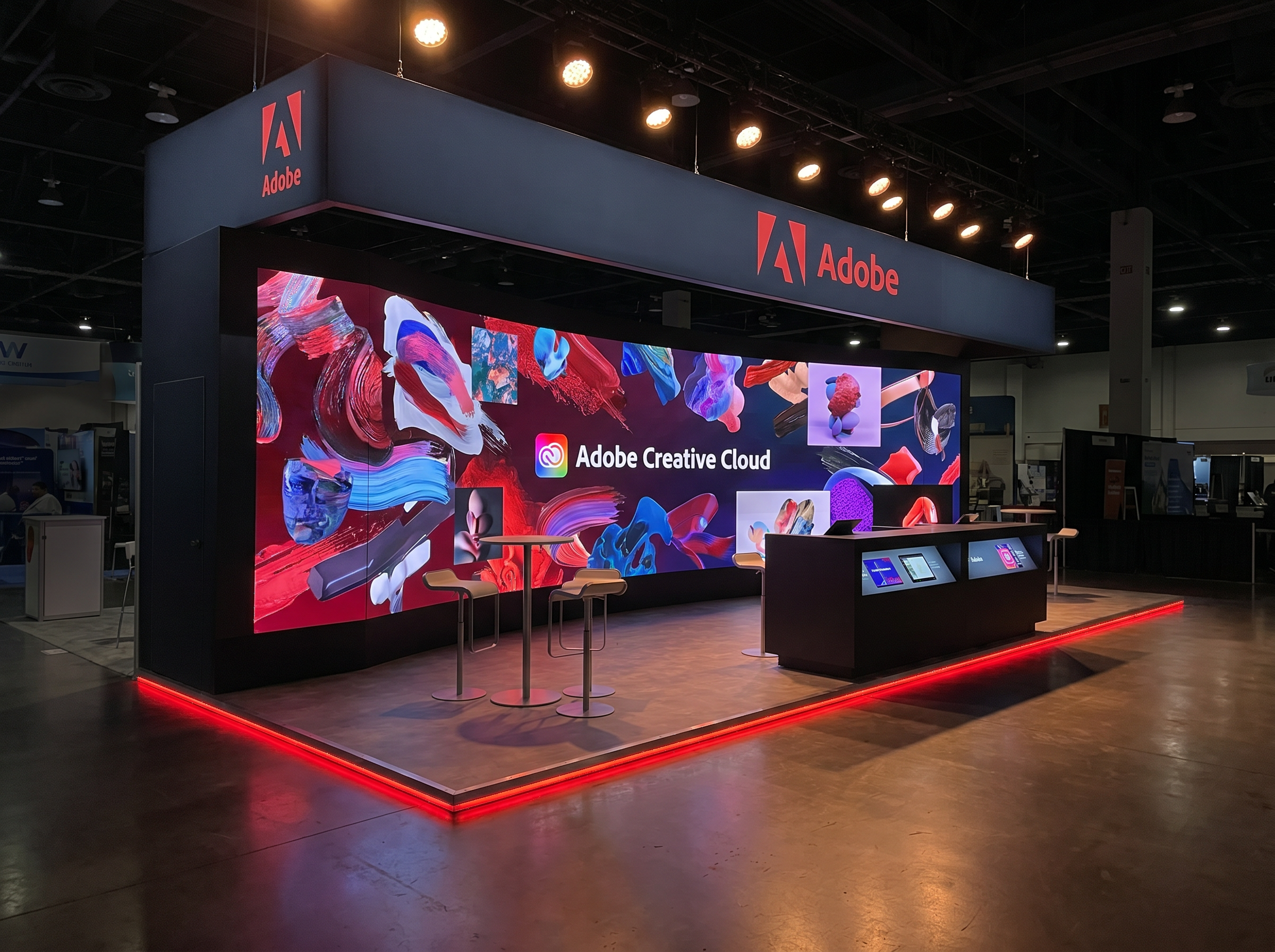
 Loading imageCustomDesign 01