
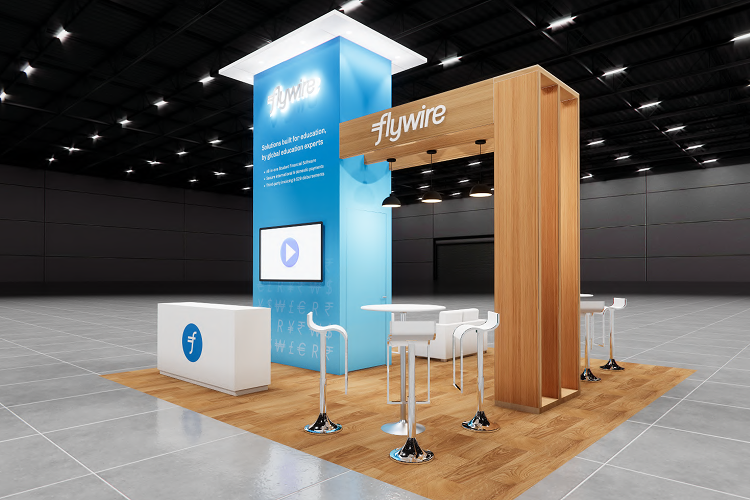
Example
Island-booth locator
A simple overhead identifier can help guests find an island booth when the core brand mark and visual language are consistent across every face.
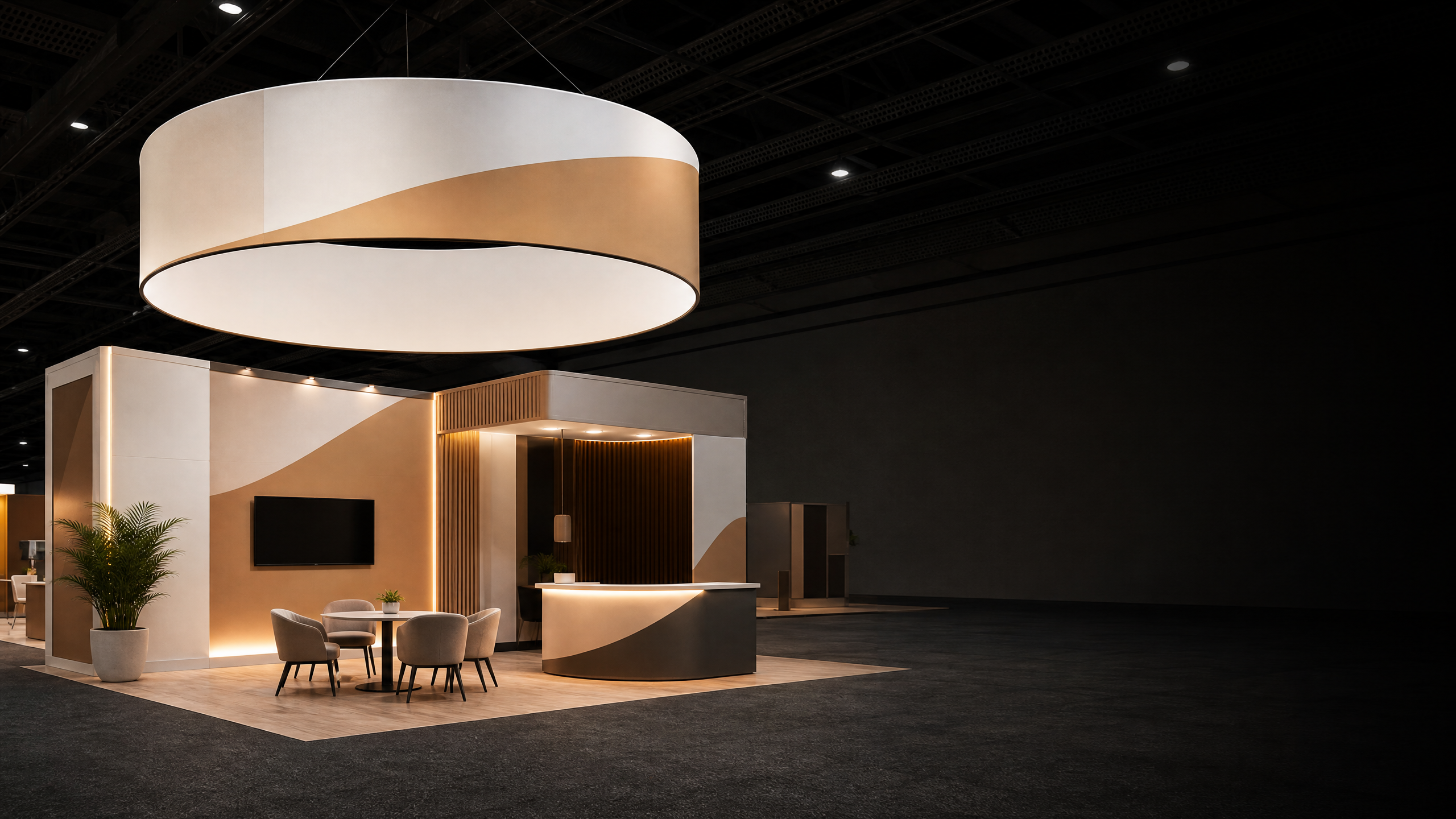
Graphics & Print
Nothing pulls traffic from across a show floor like a hanging sign. Factory of Graphics builds and prints circular, square, triangular, and custom-shape hanging signs with tension fabric graphics. We supply the frame, the graphic, and the rigging specs your general contractor needs — for the Orange County Convention Center, Las Vegas Convention Center, McCormick Place, and every major U.S. venue.
Why this matters
A hanging sign can make a larger booth easier to find, but it needs to work with the confirmed floor plan, ceiling permissions, rigging requirements, viewing distance, and message hierarchy. The first step is a coordinated review—not an assumed configuration.
Project blueprint
The show-service manual and confirmed booth plan are the starting point. This project checklist helps organize the visual and operational questions that need to be addressed before a sign is produced or submitted.
Provide the booth number, footprint, venue, event date, and any ceiling or rigging guidance supplied for the actual program.
Choose the shape, number of visible faces, primary brand mark, and high-level message that attendees need to recognize from a distance.
Confirm the responsible rigging provider, required drawings or forms, deadlines, and any weight or placement limitations for the venue.
Coordinate the overhead message with the booth’s primary graphics, counters, lighting, and entry points so the experience feels connected.
Useful application examples
These are practical planning examples, not claims about a specific client or venue program. Final requirements are confirmed for the actual project.
Example
A simple overhead identifier can help guests find an island booth when the core brand mark and visual language are consistent across every face.
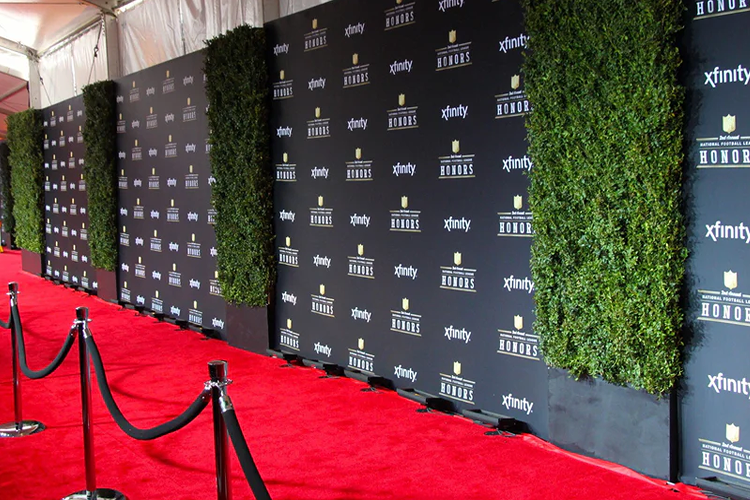
Example
For a multi-zone exhibit, an overhead graphic can support wayfinding when the message remains concise and the ground-level graphics carry the deeper explanation.
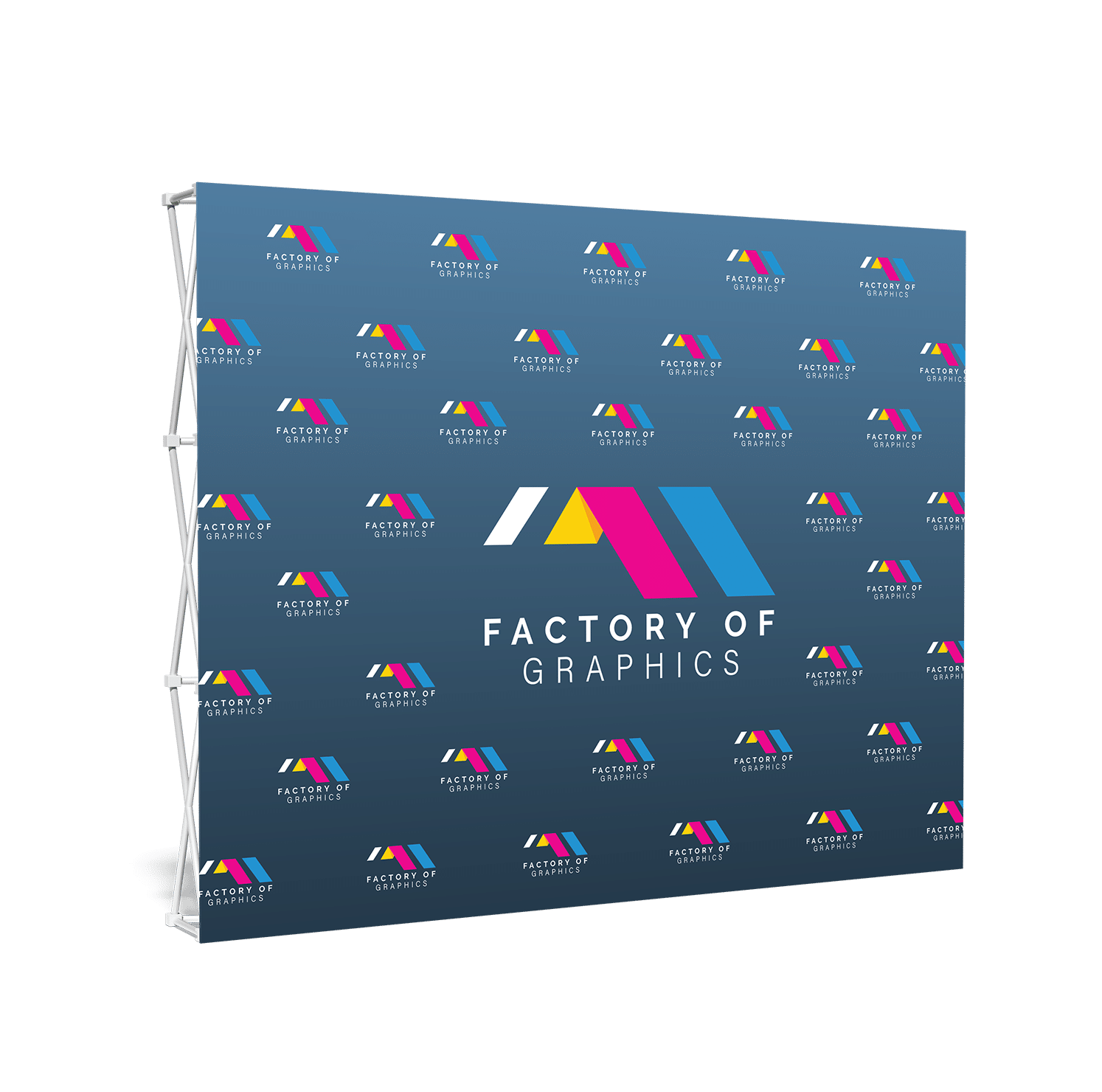
Example
A sign, backdrop, and banner series can share the same approved type, image, and color rules while being prepared for their separate production applications.
The design-to-install path
Every project is scoped around its real materials, artwork, environment, timing, and delivery or installation context. Nothing here substitutes for the project-specific approval process.
Share the booth footprint, audience, desired action, timing, location, and any existing brand files. The goal is to make the next production decision clear before artwork moves forward.
OutputUsable project brief
We review the supplied dimensions, artwork status, installation surface or exhibit frame, and any venue or handling requirements that affect the output.
OutputVerified inputs and open questions
The project brief aligns the visual zones, finished size, material, finishing details, proof needs, packing, and delivery or installation path before production begins.
OutputConfirmed production blueprint
After the scope is confirmed, production and logistics are coordinated around the actual approved artwork, deadline, delivery address, and project requirements.
OutputCoordinated production handoff
From approved brief to coordinated handoff
The written project brief keeps confirmed dimensions, approved files, finishing details, timing, packing, delivery, and any installation coordination attached to the same decision path.
2026 show-specific resources
Use the appropriate graphics-only guide to prepare frame details, SEG files, color references, finishing instructions, deadlines, vehicle-display context, and a backup plan for show-week replacements.
Frequently asked questions
Every project still needs a confirmed scope, but these questions can help your team arrive with the useful details.
Early concepts are possible, but the final production brief should be confirmed against the booked footprint, venue requirements, rigging details, and sign placement.
Project requirements can be organized around the provider and instructions identified by the exhibitor. Final venue, organizer, and contractor requirements are confirmed for the actual engagement.
A concise message, clear brand mark, strong contrast, and a layout built for multiple viewing angles are more useful than trying to fit every detail overhead.
Start with the real project details
Share the footprint, message, artwork status, deadline, and delivery or installation context. We will help identify the next practical step for the actual project.