Central Florida’s Fastest Source for Small Business Signage – Large Format Printing – Trade Show Graphics -Event Materials & More
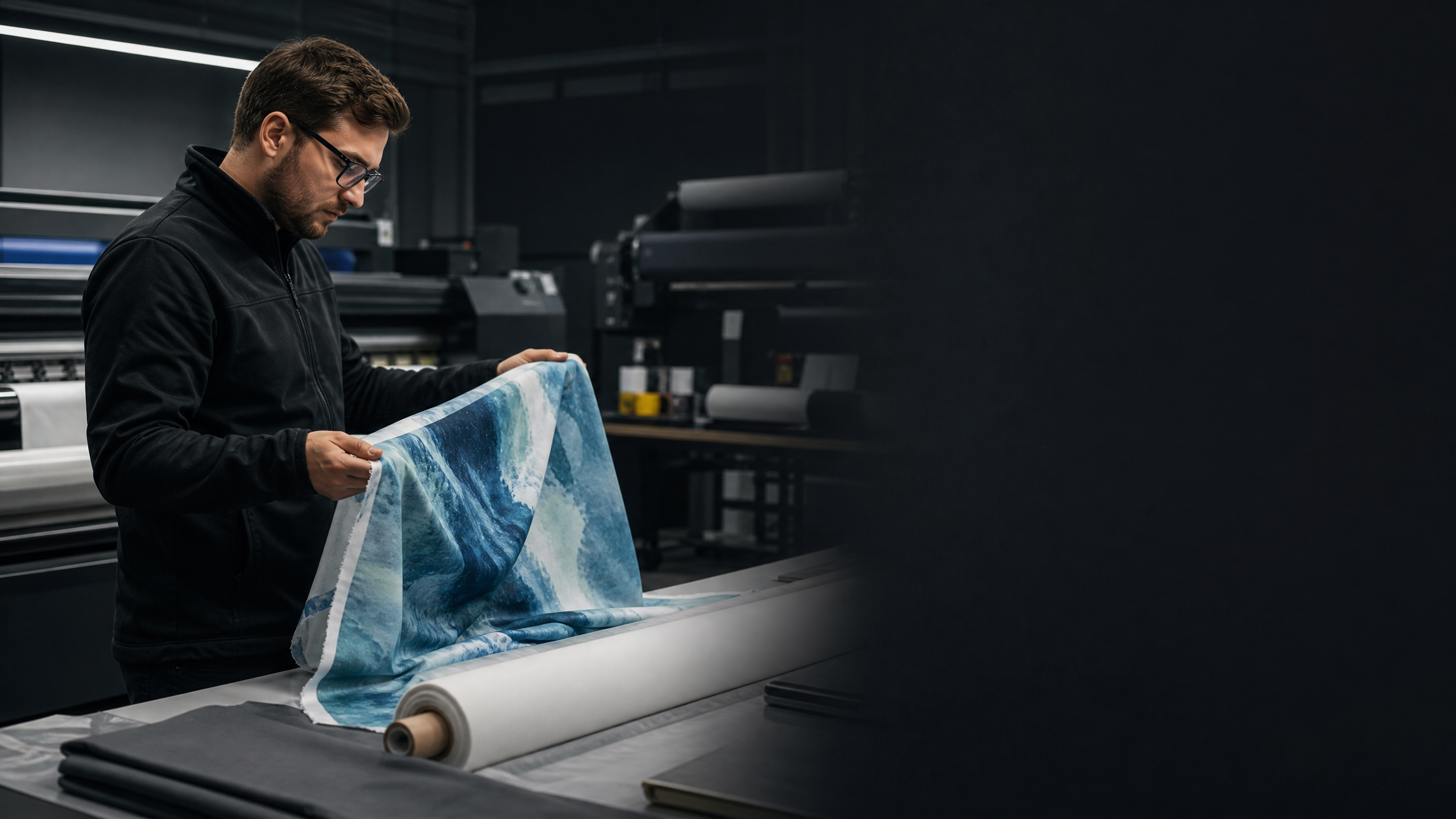
Print-production specialist checking a finished fabric proof beside large-format equipment
Illustrative project visualization. Open a larger view.

Graphics & Print

Rush Trade Show Graphics in 24 to 48 Hours

Graphics arrived damaged. The file was wrong. The show moved up. Factory of Graphics runs a dedicated rush lane for trade show emergencies — 24 to 48 hour turnaround on backdrops, banners, SEG fabric, and signage, with direct-to-venue shipping anywhere in the United States. Call us before you panic.

Why this matters

Make the visual work harder for the actual environment.

When timing is tight, the most useful thing is a clear production brief. The team needs to identify the actual graphic type, finished dimensions, file status, delivery destination, and show or installation constraints before confirming a practical route.

  • A prioritized review of the facts that affect feasibility
  • A clear recovery path for replacement or time-sensitive graphics
  • One point of contact for artwork, production, delivery, and next-step coordination

When You Need This

A crate went missing. Freight does not always arrive. Sometimes it arrives at the wrong show.

A graphic was damaged in transit. Corners crush, panels scuff, forklifts happen.

Someone caught an error during setup. A phone number, a product name, a logo version that was superseded three months ago.

The message changed after the graphics shipped. A launch moved, a partnership was announced, legal asked for different wording.

A last-minute booth space opened up and you have days, not weeks.

Every one of these is normal. None of them is a reason to exhibit with a blank wall.
What We Can Turn Around, and How Fast

24 hours — fabric panels, banners, backdrops and vinyl at standard sizes with print-ready artwork supplied.

48 hours — larger runs, rigid substrate, hanging signs, backlit panels, and jobs needing artwork adjustment.

Anything requiring specialty substrate or unusual finishing needs a conversation, but the answer is usually yes.

Why We Can Do This and Brokers Cannot

A broker takes your rush job and puts it into someone else's production queue, where it competes with that printer's own commitments. They have no leverage over the schedule and no visibility into it. What you get is a promise relayed second-hand.

We own the presses. A rush job is a scheduling decision made in our own building by people who can see the queue. That is the entire difference, and it is why rush capability is not something a broker can meaningfully sell you.

Getting It to the Show Floor

Producing fast is only half of it. Getting it into your booth is the other half, and show floors have rules.

We ship direct to show sites, to advance warehouses, and to hotels. During show week we can deliver to the venue dock and coordinate with the general contractor.

Tell us the venue, the hall, the booth number and how much time is left. That determines the routing, and the routing is frequently more time-sensitive than the printing.

What We Need From You

To move at 24 hours we need artwork that is ready. Print-ready files, correct dimensions, correct colour space.

If your artwork needs work, say so immediately — we can fix most things, but it consumes hours that the deadline may not have.

If you are not sure whether your files are usable, send them and ask. Two minutes of checking beats discovering a problem at hour eighteen.

The Honest Version

Rush costs more than planned production. Materials get pulled forward, schedules get rearranged, and sometimes people stay late.

But it costs dramatically less than three days of an empty wall in a booth you already paid for — the space, the drayage, the labor, the flights, the hotel. Weighed against that, rush printing is one of the better-value decisions available to an exhibitor in trouble.

If you are standing on a show floor with a problem, call. It is genuinely what this exists for.

Project blueprint

Use a rush blueprint instead of guessing at the deadline

A rush request is easier to evaluate when it arrives as a short, organized brief. This is not a production promise; it is the information needed to assess the most practical available path.

This is a practical intake checklist—not a venue-approved engineering drawing, final production proof, or event-service submission.
  1. 01

    What changed

    Explain whether the issue is damage, a late artwork correction, a missing graphic, a changed event date, or another time-sensitive condition.

  2. 02

    Exact item

    State the graphic type, finished dimensions, quantity, material if known, and whether hardware, finishing, or installation is involved.

  3. 03

    Files and approval

    Share the newest approved artwork, note the file status, and identify who can confirm final details quickly if changes are needed.

  4. 04

    Delivery reality

    Provide the final destination, required arrival date, receiving details, onsite contact, and any known venue or carrier restrictions.

Useful application examples

See how rush trade show graphics in 24 to 48 hours can support the room, not just fill space.

These are practical planning examples, not claims about a specific client or venue program. Final requirements are confirmed for the actual project.

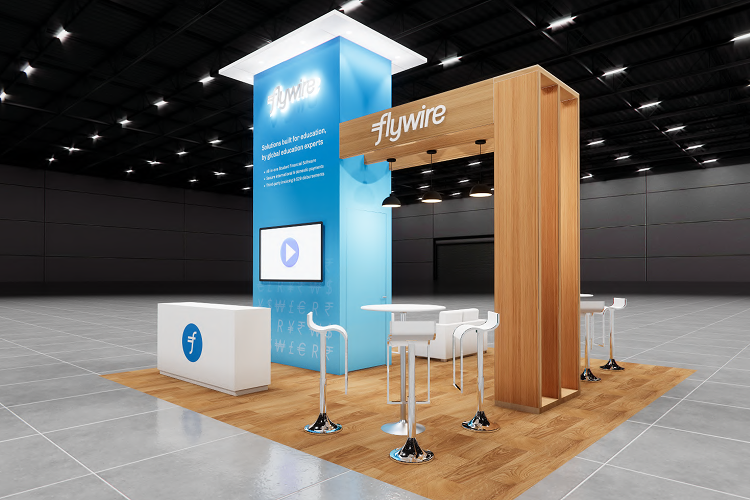
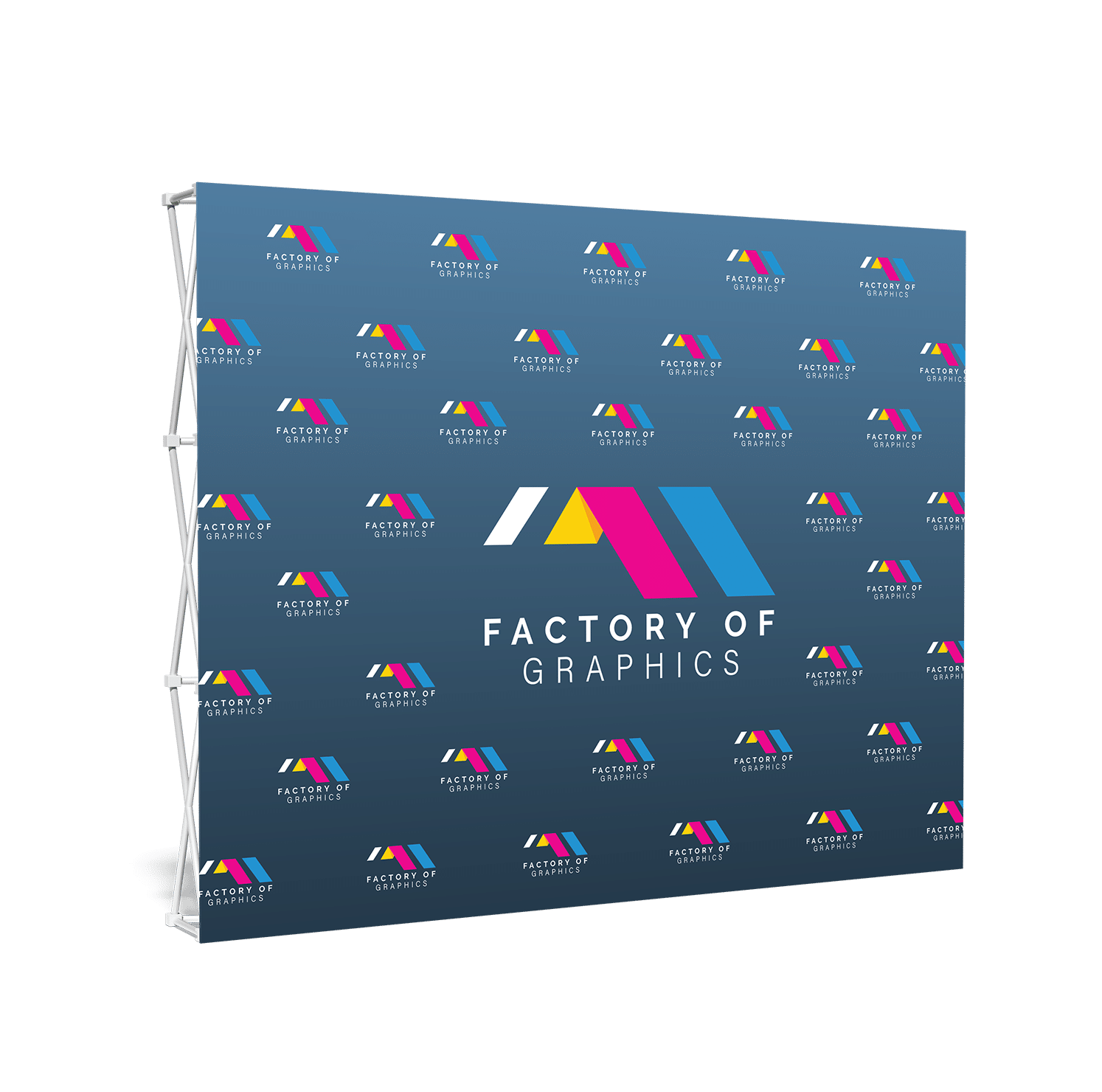
Large printed backdrop that could be replaced for a time-sensitive event need

Example

Replacement backdrop

A replacement is easier to assess when the existing frame or finished graphic size, art version, event date, and delivery location are supplied together.

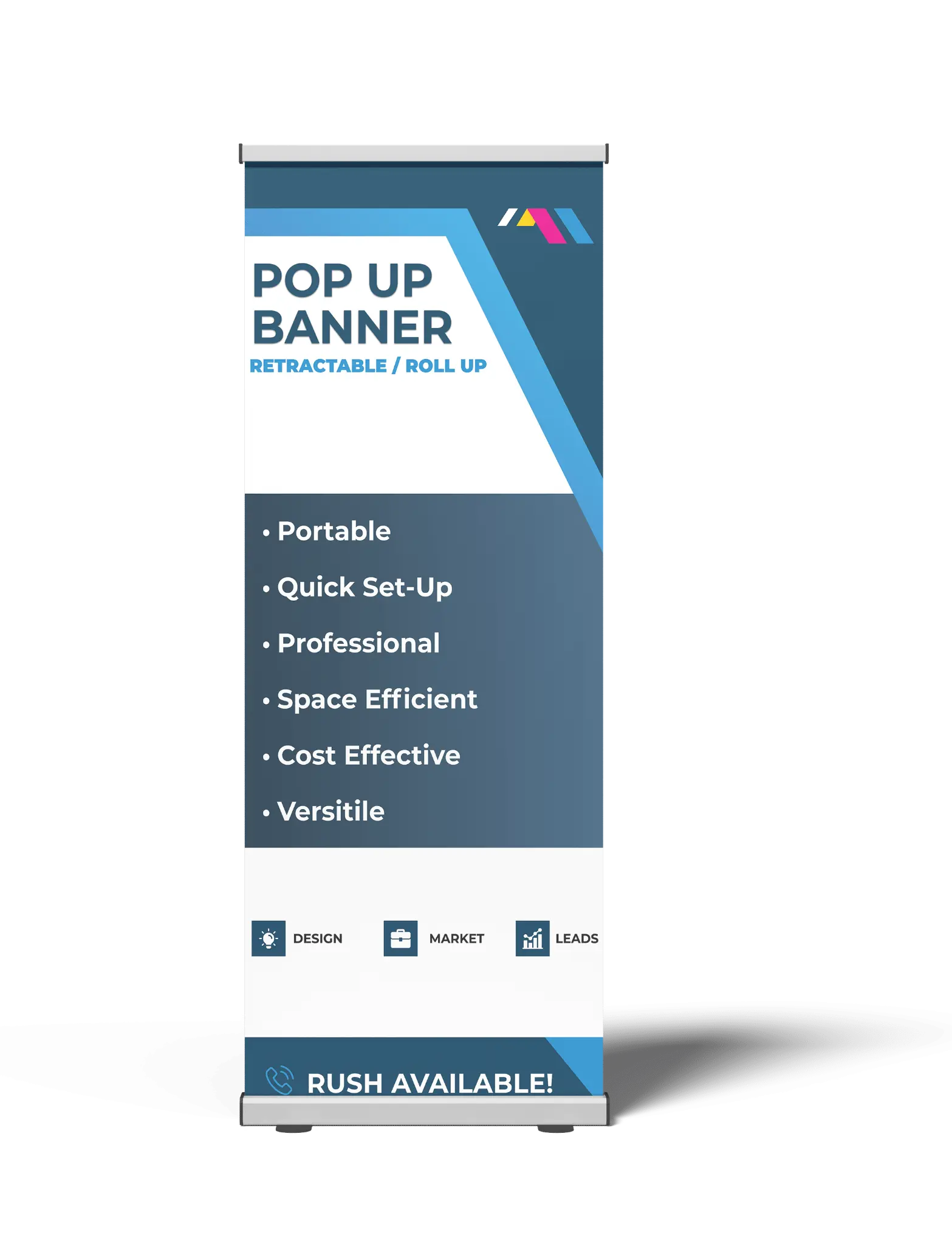
Retractable event banner suitable for time-sensitive graphic planning

Example

Late-stage banner correction

A compact banner request should still confirm final copy, artwork, hardware needs, quantity, and how the item will reach the event or project location.

Trade-show venue signage and environmental graphics

Example

Urgent venue signage

Directional or environment graphics need confirmed dimensions, placement, material, and access details even when a project needs rapid evaluation.

The design-to-install path

A transparent process makes the next decision easier.

Every project is scoped around its real materials, artwork, environment, timing, and delivery or installation context. Nothing here substitutes for the project-specific approval process.

Project-specific scopeWritten approvalsCoordinated handoff
  1. Stage 01

    Define the decision

    Share the booth footprint, audience, desired action, timing, location, and any existing brand files. The goal is to make the next production decision clear before artwork moves forward.

    OutputUsable project brief

  2. Stage 02

    Review files and site context

    We review the supplied dimensions, artwork status, installation surface or exhibit frame, and any venue or handling requirements that affect the output.

    OutputVerified inputs and open questions

  3. Stage 03

    Confirm the production blueprint

    The project brief aligns the visual zones, finished size, material, finishing details, proof needs, packing, and delivery or installation path before production begins.

    OutputConfirmed production blueprint

  4. Stage 04

    Produce and coordinate the handoff

    After the scope is confirmed, production and logistics are coordinated around the actual approved artwork, deadline, delivery address, and project requirements.

    OutputCoordinated production handoff

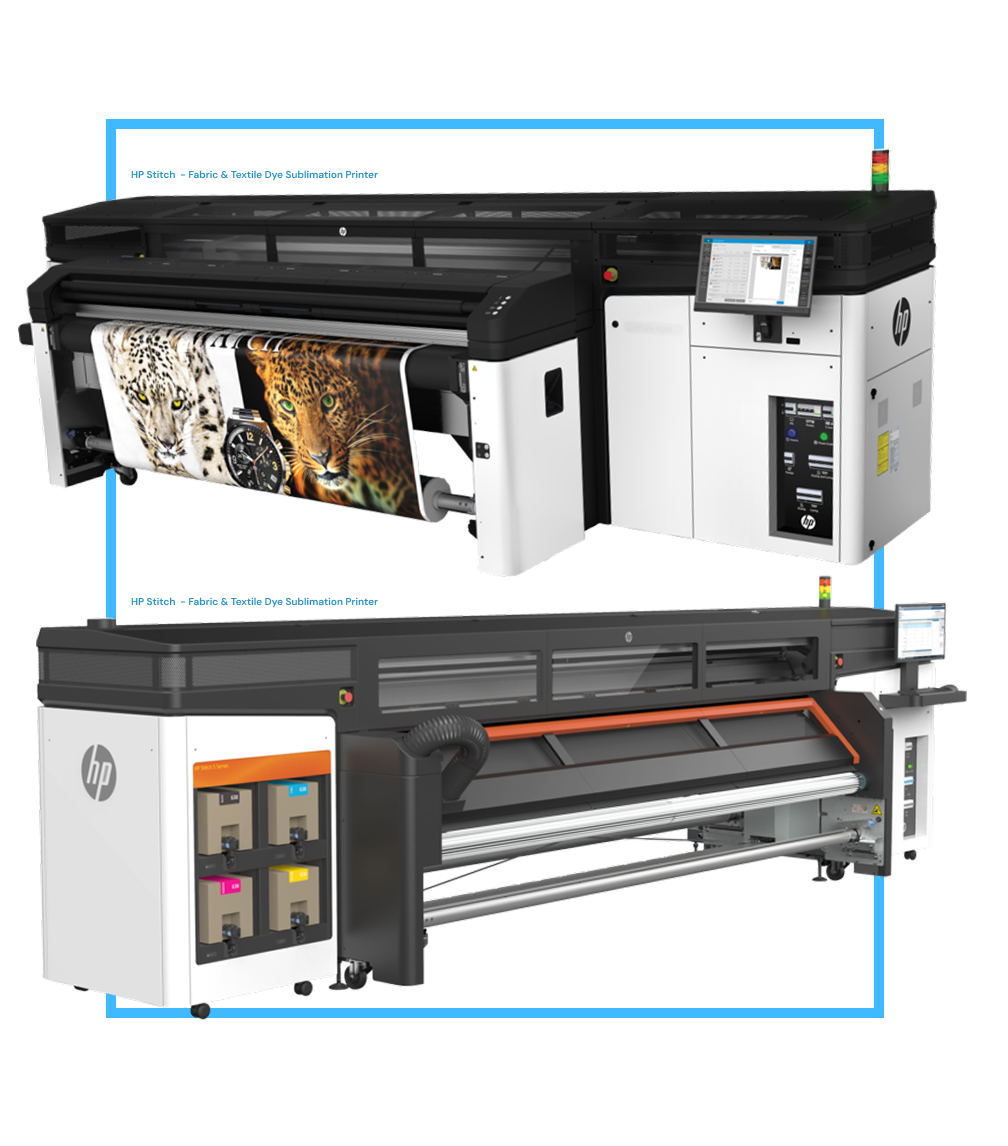
Large-format printing equipment supporting approved graphics production

From approved brief to coordinated handoff

One scope connects artwork, production, and logistics.

The written project brief keeps confirmed dimensions, approved files, finishing details, timing, packing, delivery, and any installation coordination attached to the same decision path.

  • Files and finished sizes documented
  • Proof and production requirements aligned
  • Delivery or installation context recorded

2026 show-specific resources

Graphics planning for Orlando and Las Vegas exhibitors

Use the appropriate graphics-only guide to prepare frame details, SEG files, color references, finishing instructions, deadlines, vehicle-display context, and a backup plan for show-week replacements.

Frequently asked questions

Answers that help you prepare a stronger brief.

Every project still needs a confirmed scope, but these questions can help your team arrive with the useful details.

What is the fastest way to begin a rush graphics conversation?

Call or send the project brief with the graphic type, finished size, quantity, approved artwork status, required arrival time, and destination details. Feasibility is evaluated against the actual project conditions.

Can you replace damaged event graphics?

A replacement path can be evaluated once the original dimensions, material or frame, artwork version, condition, and delivery requirements are known.

Does a rush request guarantee a specific turnaround?

No. The available production and delivery path depends on the artwork, materials, scope, current schedule, destination, and the project details confirmed in writing.

Start with the real project details

Ready to turn the idea into a production brief?

Share the footprint, message, artwork status, deadline, and delivery or installation context. We will help identify the next practical step for the actual project.